Docker is a container management tool, an open-source platform that enables developers to automate the deployment and scaling of applications using containerization. It provides an efficient and consistent way to package software into containers, which are lightweight and isolated environments that contain all the dependencies and libraries needed to run the application.
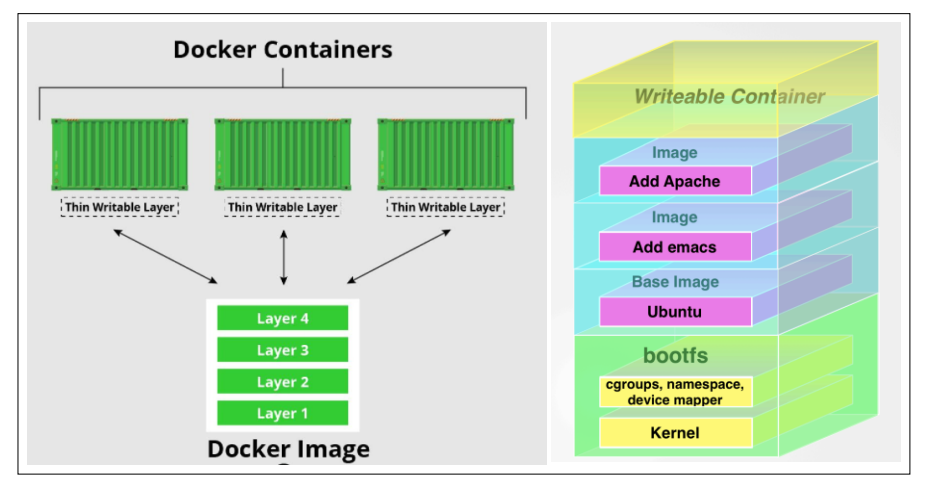
Docker offers several benefits that make it a popular choice for application deployment and management:
- Portability: Docker containers encapsulate an application and its dependencies, making them highly portable across different environments. Containers can run consistently on any machine that has Docker installed, regardless of the underlying infrastructure or operating system.
- Scalability: Docker allows for easy scaling of applications by replicating containers across multiple hosts or by using container orchestration tools like Docker Swarm or Kubernetes. This enables efficient utilization of resources and seamless handling of increased workloads.
- Isolation: Containers provide a lightweight and isolated runtime environment for applications. Each container operates independently, ensuring that changes made to one container do not affect others. This isolation enhances security, stability, and reliability.
- Efficiency and Performance: Docker containers have minimal overhead, as they share the host system’s kernel. They start and stop quickly, leading to faster deployment and improved application performance.
- Consistency: Docker eliminates the “it works on my machine” problem by ensuring consistency across development, testing, and production environments. Developers can package the entire application stack into a container, including dependencies, libraries, and configuration, ensuring that the application runs reliably on any environment.
- DevOps Enablement: Docker facilitates collaboration between developers and operations teams, enabling the adoption of DevOps practices. It promotes a consistent and repeatable deployment process, automated testing, and continuous integration and deployment (CI/CD) pipelines.
- Version Control: Docker images can be versioned and stored in repositories like Docker Hub or private registries. This allows easy tracking and management of different versions of an application, simplifying rollbacks and ensuring reproducibility.
- Ecosystem and Community: Docker has a vast ecosystem with a wide range of pre-built images available on Docker Hub. It also has an active and supportive community that contributes to the development of tools, best practices, and resources.
