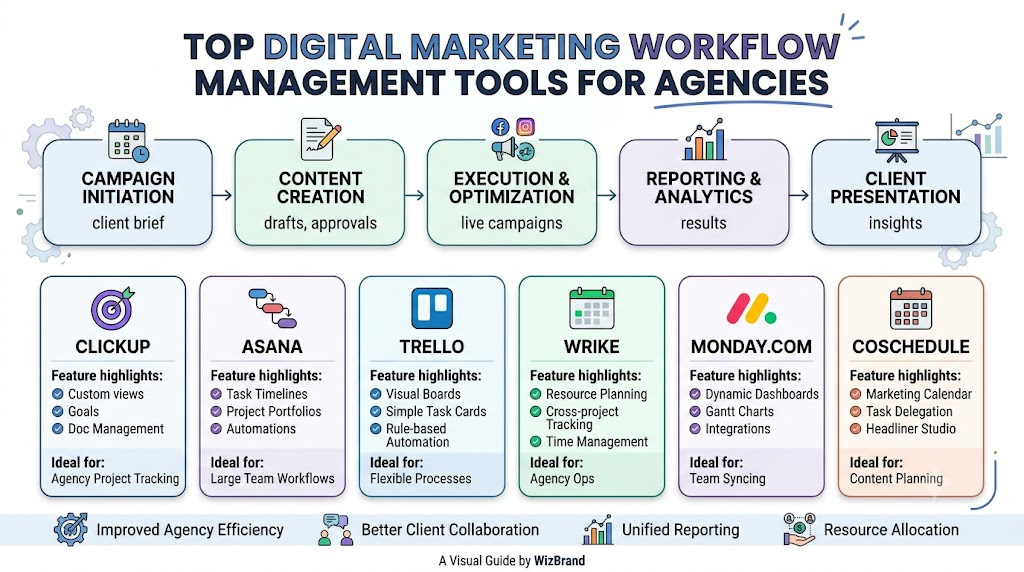
Introduction
Managing a modern digital marketing stack often feels like juggling dozens of disconnected software subscriptions. Marketing managers, agency owners, and SEO specialists frequently find themselves jumping between separate applications for keyword monitoring, technical site audits, backlink tracking, content planning, and influencer outreach. This fragmented approach creates data silos, causes version control issues, and wastes valuable operational hours every week. Transitioning to a unified system eliminates these roadblocks. Utilizing a centralized all-in-one digital marketing platform allows growth-oriented organizations to consolidate critical workflows into a single command center. When keyword research, technical performance metrics, task delegation, and digital asset libraries reside in one location, teams can move faster, collaborate seamlessly, and make decisions grounded in reliable data.
What is an All-in-One Digital Marketing Platform?
Definition
An all-in-one digital marketing platform is a unified software application that combines essential marketing tools—such as search engine optimization (SEO), project management, digital asset storage, influencer outreach, and analytics—into a single platform interface.
Core Components
Modern marketing stacks require multiple interconnected disciplines to succeed. A unified platform consolidates these into core operational modules:
- SEO & Rank Tracking Engines: Real-time visibility into keyword rankings, search visibility score, and competitor position changes.
- Technical Audit Diagnostics: Web crawlers designed to uncover broken links, indexing errors, and page speed bottlenecks.
- Backlink Intelligence: Systems to audit link profiles, assess referring domain authority, and spot link-building opportunities.
- Workflow & Project Management: Task boards, milestone trackers, and delegation workflows built specifically for marketing processes.
- Digital Asset Management (DAM): Centralized storage for creative assets, brand guidelines, media files, and document versioning.
- Influencer Marketplace: Communication and campaign portals to source, manage, and track creator partnerships.
Why Businesses Need One
Relying on isolated, single-purpose software creates administrative friction. When teams record project milestones in one application, review keyword tracking in another, and store visual media on a localized drive, alignment breaks down quickly. According to marketing workflow research on HubSpot, context switching between disjointed applications significantly reduces team focus and overall content velocity.
Key Benefits
Adopting an all-in-one digital marketing platform eliminates subscription bloat and standardizes data reporting. Marketing leads gain full visibility over campaign execution, while specialists save time by avoiding manual data export and import processes.
SEO Management Software
Search engine optimization requires structured execution over long time horizons. Specialized SEO management software provides the foundation needed to turn high-level strategy into predictable organic growth.
       ┌───────────────────────────────────────────────────────────┐
       │                SEO Management Framework                  │
       └─────────────────────────────┬─────────────────────────────┘
                                     │
         ┌───────────────────────────┼───────────────────────────┐
         ▼                           ▼                           ▼
┌───────────────────┐       ┌───────────────────┐       ┌───────────────────┐
│ Keyword Strategy  │       │ Technical Audits  │       │ Backlink Profile  │
│ & Intent Analysis │       │ & Site Performance│       │ & Authority Growth│
└────────┬──────────┘       └────────┬──────────┘       └────────┬──────────┘
         │                           │                           │
         └───────────────────────────┼───────────────────────────┘
                                     ▼
       ┌───────────────────────────────────────────────────────────┐
       │             Performance Reporting & Analytics             │
       └───────────────────────────────────────────────────────────┘
Keyword Research and Strategy
Identifying high-intent search terms requires evaluating search volume, keyword difficulty, and underlying user intent. Modern platforms help teams map target keywords directly to conversion funnel stages—informational, commercial, or transactional.
Campaign Planning
Organizing campaigns around specific content hubs or site architecture changes prevents duplication of effort. Marketing leads can group keyword clusters into actionable content briefs, assigning execution deadlines directly within the platform.
Performance Monitoring
Tracking organic growth requires looking past single keyword shifts. Enterprise-grade tools measure share of voice, organic traffic trajectories, and impressions to provide an accurate summary of search engine visibility.
Competitor Analysis
Understanding how rival websites structure their content, capture market share, and build backlink profiles helps teams identify valuable content gaps. Analyzing top-performing competitor pages allows you to refine your content strategy.
Reporting
Customizable reporting tools eliminate manual data entry when preparing updates for clients or leadership. Automated dashboards aggregate technical health metrics alongside ranking changes to highlight clear ROI. Explore WizBrand SEO Tools to discover how unified reporting simplifies client communication.
SEO Rank Tracking
Maintaining search engine visibility requires precise monitoring across different locations and device types. An enterprise-grade SEO rank tracking tool gives you real-time visibility into keyword movement so you can respond quickly to search engine updates.
┌─────────────────────────────────────────────────────────────────────────┐
│                     Rank Tracking Engine Architecture                   │
├─────────────────────────────────────────────────────────────────────────┤
│  [Desktop Search Crawl]  ───┐                                           │
│                             ├──► [Rank Aggregation] ──► [Visibility UI] │
│  [Mobile Search Crawl]   ───┘                                           │
└─────────────────────────────────────────────────────────────────────────┘
Keyword Monitoring
Search rankings fluctuate continuously due to algorithm updates, rival optimizations, and seasonality. Regular keyword monitoring ensures teams catch performance drops early and protect high-value conversion pages.
Ranking Trends
Historical position graphs reveal long-term performance better than daily snapshot changes. Tracking position trajectories over 30, 90, or 180 days shows whether optimization efforts are making steady progress.
Device Tracking
Search engines display distinct SERP layouts for mobile and desktop users. Tracking mobile rankings independently highlights responsive UX issues or mobile-specific site speed bottlenecks that affect visibility.
Location-Based Rankings
For local businesses and regional enterprises, localized search results determine real-world lead flow. Rank tracking tools simulate searches from specific postal codes to ensure local search strategies yield accurate, location-based results.
Competitor Comparison
Comparing keyword positions head-to-head against primary market rivals shows where your brand holds market dominance and where rivals are pulling ahead. Try the WizBrand Rank Tracker to keep close tabs on competitive SERP movements.
Technical SEO Site Audit
A website with broken code, crawling blocks, or slow load speeds will struggle to rank well, regardless of content quality. Utilizing a comprehensive technical SEO site audit tool surfaces structural issues before they impact your organic visibility.
Broken Links and Redirect Loops
Internal broken links (404 errors) and long redirect chains drain crawl budget and frustrate site visitors. Auditing tools map site architecture to locate broken links and restore clean navigation paths.
Crawl Errors and Indexing Problems
Search engine crawlers rely on clean XML sitemaps and proper robots.txt directives. Identifying crawl blocks ensures critical product pages and content hubs remain indexed. Review guidelines on Google Search Central to align site infrastructure with search engine standards.
Duplicate Content and Canonicalization
Duplicate page variations can dilute ranking signal power. Auditing software scans for duplicate headers, missing canonical tags, and parameter-based URL duplication.
Missing Metadata
Unoptimized title tags, missing meta descriptions, and blank alt image attributes reduce click-through rates on search results pages. Automated audits flag missing metadata sitewide for rapid batch updates.
Mobile Usability and Site Speed
Page speed and core web vitals are established ranking factors. Auditing site health pinpoints large image files, unminified scripts, and render-blocking resources that slow down page loading on mobile devices. Inspect site performance using the WizBrand Site Audit engine.
Backlink Analysis
Backlinks remain one of the strongest signals search engines use to evaluate page authority and trust. Employing a robust backlink analysis tool gives marketing teams clear insights into their backlink profiles and authority growth.
Referring Domains and Authority
Quality matters significantly more than sheer backlink volume. Evaluating domain authority and relevance across referring domains provides a clear picture of off-page strength.
Anchor Text Distribution
An over-optimized anchor text profile populated exclusively with exact-match keywords can trigger algorithmic penalties. Monitoring anchor text ratios maintains a natural, diversified link profile.
Link Quality and Toxic Link Audits
Spammy backlink surges can hurt domain authority. Regular backlink audits flag low-quality or suspicious links, letting SEO specialists prepare disavow files when necessary.
Competitor Backlink Profiles
Analyzing competitors’ backlink profiles uncovers valuable outreach targets. Seeing which industry publications, directories, and blogs link to similar brand content highlights promising link-building opportunities. Evaluate your backlink health using WizBrand Backlink Analysis.
SEO Project Management
Search engine optimization demands consistent, structured execution. Utilizing dedicated SEO project management software connects high-level strategic planning directly to daily task execution.
┌────────────────────────────────────────────────────────────────────────┐
│                    SEO Project Management Workflow                     │
├──────────────┬──────────────────┬─────────────────┬────────────────────┤
│ Strategy     │ Content Creation │ Technical Fixes │ Review & Launch    │
├──────────────┼──────────────────┼─────────────────┼────────────────────┤
│ • Research   │ • Draft Article  │ • Fix 404s      │ • Audit On-Page    │
│ • Assignee   │ • Add Images     │ • Canonicalize  │ • Publish Content  │
│ • Due: Day 1 │ • Due: Day 5     │ • Due: Day 7    │ • Due: Day 10      │
└──────────────┴──────────────────┴─────────────────┴────────────────────┘
Task Assignment and Ownership
Projects often stall when team members lack clear responsibilities. Assigning specific ownership for keyword optimization, content writing, technical fixes, and link outreach keeps projects moving forward predictably.
Campaign Planning and Milestones
Complex campaigns—such as site migrations or enterprise content launches—require clear phase mapping. Setting firm deadlines and tracking progress against key milestones keeps teams accountable and prevents schedule drift.
Team Collaboration and Communication
Centralizing discussion threads within task boards eliminates endless email chains. Content creators, web developers, and SEO strategists can comment, share files, and approve work directly alongside project cards.
Deadline and Workflow Tracking
Clear visual boards keep team members aligned on upcoming deliverables, open review requests, and active client campaigns.
Digital Marketing Workflow Management
Beyond standalone project management, scaling teams need standardized business processes. Utilizing digital marketing workflow management software streamlines repetitive operations, cuts down manual oversight, and improves overall campaign velocity.
Campaign Workflows and Approvals
Standardizing content creation, design review, and code deployment prevents unvetted assets from going live. Standardized workflows guide assets through clear review gates before final publication.
Process Automation and Productivity
Automating routine operations—such as sending client performance reports, triggering site audit crawls, or assigning follow-up tasks—frees specialists to focus on strategic execution.
Cross-Department Coordination
Digital marketing relies on active contributions from copywriters, graphic designers, web developers, and account executives. Centralized workflows reduce communication handoff errors across functional teams. See how the WizBrand Workflow Management module keeps cross-functional teams aligned.
Digital Asset Management
As content production scales, keeping track of creative files across scattered local drives quickly turns chaotic. Dedicated digital asset management software for marketing teams offers a secure repository that simplifies media storage and version control.
Creative File Storage
Organizing high-resolution images, brand graphics, promotional videos, and editorial PDFs in a searchable central hub saves time across marketing teams.
Version Control and Rights Management
Working with outdated design templates or obsolete brand logos compromises brand consistency. Version history management ensures teams always use approved, up-to-date creative assets.
Permissions and Asset Search
Role-based access management protects confidential company files while allowing agency partners, contractors, and internal teams to quickly locate approved creative assets using tagged search terms. Centralize your marketing files using WizBrand Digital Asset Management.
Influencer Marketing
Creator partnerships offer a direct path to reach target audiences and build brand credibility. Managing these campaigns through an integrated influencer marketing marketplace simplifies creator discovery, outreach, and campaign tracking.
┌────────────────────────────────────────────────────────────────────────┐
│                   Influencer Marketing Campaign Cycle                  │
├──────────────────┬──────────────────┬─────────────────┬────────────────┤
│ 1. Discovery     │ 2. Outreach      │ 3. Execution    │ 4. Tracking    │
├──────────────────┼──────────────────┼─────────────────┼────────────────┤
│ Search Creator   │ Send Proposal    │ Content Creation│ Measure ROI,   │
│ Marketplace      │ & Terms          │ & Brand Review  │ Reach & Clicks │
└──────────────────┴──────────────────┴─────────────────┴────────────────┘
Finding Influencers
Filtering creator databases by niche, audience demographics, engagement rates, and platform reach helps marketing teams quickly identify ideal brand partners.
Campaign Management and Performance Tracking
Managing contracts, creative briefs, content review pipelines, and tracking URLs inside a shared portal gives teams clear visibility into creator campaign performance and return on ad spend. Discover creator opportunities using the WizBrand Influencer Marketplace.
Who Should Use WizBrand?
SEO Agencies
Manage multiple client accounts efficiently with dedicated client workspaces, white-labeled reporting dashboards, automated technical audit schedules, and scalable rank tracking.
Digital Marketing Agencies
Unify SEO services, digital asset management, task tracking, and influencer management into a single operational interface to improve client management and team delivery.
Freelancers
Replace fragmented software subscriptions with an economical, all-in-one platform that handles client audits, keyword tracking, content planning, and project delivery.
In-House Marketing Teams
Eliminate cross-departmental communication barriers by housing creative strategy, technical web management, asset libraries, and execution tasks under one roof.
Enterprises
Scale marketing campaigns reliably with enterprise-grade project oversight, structured user roles, asset organization, and high-volume performance tracking.
Startups
Accelerate early market visibility and stretch capital using a versatile toolkit that provides rank tracking, site auditing, and campaign management without paying for enterprise tool bundles.
Content Teams
Plan editorial calendars, manage draft reviews, store media assets, and verify on-page SEO optimization using integrated editorial workflows.
E-commerce Businesses
Track large product catalog rankings, fix technical web crawling errors, manage product visuals, and track affiliate and influencer partnerships seamlessly.
Influencers
Connect with top brands, access structured campaign briefs, submit content deliverables, and review performance analytics inside a dedicated portal.
Advertisers
Organize campaign assets, coordinate multi-channel promo schedules, monitor competitive landing pages, and track search visibility alongside brand outreach programs.
Managing Multiple Tools vs. An All-in-One Platform
┌────────────────────────────────────────────────────────────────────────┐
│                      Software Architecture Comparison                  │
├──────────────────────────────────┬─────────────────────────────────────┤
│ Disjointed Tool Stack            │ Unified Platform Architecture       │
├──────────────────────────────────┼─────────────────────────────────────┤
│ [Tool A: Rank Tracker]           │ ┌─────────────────────────────────┐ │
│         │ (Manual Export)        │ │        WizBrand Platform        │ │
│         ▼                        │ │ ┌─────────────┐ ┌─────────────┐ │ │
│ [Tool B: Project Management]     │ │ │ Rank Engine │ │ Site Audits │ │ │
│         │ (Manual Export)        │ │ └─────────────┘ └─────────────┘ │ │
│         ▼                        │ │ ┌─────────────┐ ┌─────────────┐ │ │
│ [Tool C: Asset Storage]          │ │ │ Asset Hub   │ │ Workflows   │ │ │
│                                  │ │ └─────────────┘ └─────────────┘ │ │
│  Result: Data Silos & Friction   │ └─────────────────────────────────┘ │
│                                  │  Result: Streamlined Execution      │
└──────────────────────────────────┴─────────────────────────────────────┘
Relying on separate single-purpose tools often creates administrative friction and budget bloat. The comparison table below highlights the operational differences between running disjointed software apps versus consolidating your stack into a single unified workspace like WizBrand:
| Operational Dimension | Multiple Disjointed Tools | Integrated WizBrand Workspace |
| SEO Rank Tracking | Isolated software requiring manual exports | Built-in rank tracking tied directly to task boards |
| Project Management | Generic task apps lacking SEO context | Dedicated workflows built specifically for marketing teams |
| Backlink Analysis | Standalone tools requiring separate logins | Integrated backlink health monitoring alongside audit tools |
| Asset Management | Cloud drives without version or keyword tags | Centralized asset hub linked to content workflows |
| Performance Reporting | Hours spent combining spreadsheets manually | Automated white-label reports generated in seconds |
| Team Collaboration | Fragmented comments across email and chat apps | Contextual discussions attached directly to project cards |
| Subscription Costs | Multiple recurring software bills | Predictable cost structure on a single platform |
Business Benefits of Using WizBrand
                       ┌───────────────────────────────┐
                       │  Integrated Platform Growth   │
                       └───────────────┬───────────────┘
                                       │
            ┌──────────────────────────┼──────────────────────────┐
            ▼                          ▼                          ▼
┌───────────────────────┐  ┌───────────────────────┐  ┌───────────────────────┐
│ Higher Productivity   │  │ Better SEO Visibility │  │ Consolidated Billing  │
│ Cut operational overhead│  │ Fix errors & boost SERPs│  │ Eliminate app bloat  │
└───────────────────────┘  └───────────────────────┘  └───────────────────────┘
- Higher Operational Productivity: Eliminates context switching between standalone tools, allowing specialists to devote more time to execution.
- Centralized Marketing Workflows: Consolidates content strategy, technical fixes, and creative assets into shared team pipelines.
- Faster Team Collaboration: Connects strategists, designers, copywriters, and clients inside structured project boards.
- Improved SEO Visibility: Surfaces technical issues, keyword opportunities, and toxic backlinks before they impact traffic.
- Streamlined Campaign Management: Keeps multi-channel marketing campaigns running on schedule with clear milestones and task tracking.
- Reduced Software Complexity: Cuts out redundant software applications, saving management time and lowering subscription overhead.
- Data-Driven Reporting: Generates comprehensive performance dashboards that clearly illustrate marketing ROI to stakeholders.
- Improved Operational Efficiency: Standardizes everyday procedures to help growing agencies and enterprise teams scale smoothly.
Best Practices for SEO & Digital Marketing Management
- Monitor Rankings Consistently: Check visibility trajectories weekly to detect ranking drops early and respond to search engine algorithm updates.
- Audit Websites Periodically: Schedule monthly technical site audits to catch broken links, slow pages, and crawling blocks before they hurt traffic.
- Organize Digital Asset Libraries: Use clear file tagging, folder structures, and access controls to keep marketing assets secure and accessible.
- Track Backlink Profile Growth: Audit incoming backlinks regularly to keep anchor text ratios natural and disavow toxic links promptly.
- Build Standardized Workflows: Define explicit approval steps for content drafts, technical code updates, and design assets to maintain quality control.
- Encourage Cross-Team Alignment: Hold regular review meetings using shared project boards so SEO, content, and design teams stay aligned on goals.
- Focus on Meaningful Metrics: Measure conversions, organic traffic growth, and search visibility alongside top-level keyword position rankings.
- Optimize Existing Content Continually: Refresh older articles regularly with updated data, new subheadings, and modern media assets to maintain top rankings.
Common Digital Marketing Mistakes
Ignoring Technical SEO Health
Focusing entirely on keyword creation while ignoring site speed, duplicate URLs, or crawling errors limits ranking success.
- Solution: Run automated technical site audits regularly to fix underlying crawl issues and keep site infrastructure healthy.
Fragmented Workflow Tracking
Managing campaigns through emails and basic chat channels causes missed deadlines and lost files.
- Solution: Use centralized task management software designed specifically for digital marketing pipelines.
Disorganized Digital Creative Assets
Storing brand visuals and creative assets across separate local hard drives leads to version confusion and lost media.
- Solution: Store all media files in a central asset management system with permission controls and clear metadata tags.
Relying on Inconsistent Data Reporting
Compiling client reports manually from separate platforms often introduces spreadsheet errors and hides valuable performance trends.
- Solution: Automate client reporting using unified dashboards that combine technical site metrics with search ranking trends.
Failing to Audit Backlink Profiles
Overlooking bad backlink spikes leaves websites vulnerable to spam attacks and algorithmic penalties.
- Solution: Monitor incoming backlinks regularly using specialized backlink tools to maintain a clean link profile.
Future of SEO & Digital Marketing Platforms
┌─────────────────────────────────────────────────────────────────────────┐
│                      Future Industry Trends                             │
├─────────────────────────────────────────────────────────────────────────┤
│  [AI Keyword & SERP Analysis]  ──►  [Automated Audit Workflows]          │
│                                              │                          │
│  [Cross-Channel Analytics]     ◄─────────────┴──►  [Predictive Scoring] │
└─────────────────────────────────────────────────────────────────────────┘
The digital marketing landscape is shifting away from disconnected point solutions toward integrated, intelligence-driven platforms. Modern teams rely on unified software ecosystems to handle increasing data complexity and streamline campaign execution.
- AI-Enhanced SEO Analysis: Modern marketing platforms leverage machine learning algorithms to evaluate search intent, analyze SERP layouts, and suggest real-time content improvements.
- Automated Workflow Execution: Intelligent automation handles routine tasks—such as scheduling technical site audits, generating performance reports, and assigning follow-ups—allowing teams to focus on strategy.
- Predictive Analytics: Advanced software uses historical search data and competitor trends to forecast performance shifts, helping teams refine tactics proactively.
- Integrated Multi-Channel Analytics: Combining search engine performance, content engagement metrics, and backlink growth into unified dashboards gives teams a clear view of overall marketing ROI.
- Cross-Department Enterprise Collaboration: Modern software infrastructure breaks down silos between SEO, creative design, engineering, and leadership teams, keeping everyone aligned as campaigns scale.
How WizBrand Helps Marketing Teams Grow
WizBrand gives growing organizations a powerful, consolidated platform that replaces disconnected point solutions. Bringing core search management, task delegation, media storage, and creator outreach into a single workspace helps teams cut software clutter and focus on real business growth.
SEO Management
Centralizes keyword discovery, content planning, and competitive intelligence within a single unified workspace.
Rank Tracking
Provides accurate daily position tracking across mobile and desktop devices, complete with localized search options.
Technical Site Audits
Crawls websites automatically to highlight broken links, slow pages, duplicate metadata, and crawl errors for quick remediation.
Backlink Monitoring
Audits incoming domain connections, monitors anchor text distributions, and uncovers high-value link-building opportunities.
Project and Workflow Management
Organizes marketing campaigns into visual task boards, clear timelines, and automated approval pipelines.
Digital Asset Management
Protects creative visual files, brand guidelines, and media assets inside a searchable, permission-managed central library.
Influencer Marketplace
Simplifies creator discovery, contract terms, creative asset reviews, and campaign performance tracking.
Centralized Analytics and Productivity
Generates clean, customizable client reports automatically while helping internal teams collaborate efficiently. Learn more by visiting the WizBrand Help Center or reading about our story on the WizBrand About Page.
Frequently Asked Questions (FAQ)
What is an all-in-one digital marketing platform?
An all-in-one digital marketing platform is a consolidated software solution that combines search engine optimization (SEO), project management, digital asset storage, backlink auditing, and influencer management tools into a single shared interface. Instead of purchasing and jumping between separate subscriptions for each task, marketing teams use a single dashboard to handle keyword tracking, schedule site audits, assign tasks, and store brand assets. This unified structure eliminates data silos, cuts software costs, and helps copywriters, designers, and web developers collaborate efficiently.
What is SEO management software?
SEO management software is an application suite that helps businesses plan, execute, and track search engine optimization strategies. It provides dedicated modules for keyword discovery, competitor movement analysis, technical site crawling, backlink auditing, and client reporting. Centralizing search operations within structured software enables SEO specialists to build target keyword groups, monitor search visibility, address technical site errors, and demonstrate clear organic growth ROI to stakeholders and clients without juggling separate spreadsheets.
How does an SEO rank tracking tool work?
An SEO rank tracking tool works by automatically querying search engine results pages (SERPs) for target keywords across specified locations, language settings, and device types (desktop vs. mobile). The tool records daily position rankings, calculates overall search visibility scores, and graphs long-term performance trends over time. Tracking these position shifts continuously alerts marketing teams to sudden ranking drops, helps evaluate content updates, and highlights competitive movements on target search terms.
Why are technical SEO audits important?
Technical SEO audits are essential because unaddressed site infrastructure errors—such as broken internal links, long redirect loops, slow page load speeds, missing canonical tags, or crawl blocks in robots.txt—prevent search engine crawlers from indexing pages properly. Even well-written, high-quality content will struggle to rank if underlying technical issues hurt site health. Regular automated technical site audits surface code and server issues early, ensuring your website remains healthy, easy to crawl, and optimized for search engines.
What is backlink analysis?
Backlink analysis is the practice of inspecting the external links pointing to your website from third-party domains. Search engines evaluate backlinks as votes of trust, using them to determine domain authority and page rankings. Performing regular backlink analysis helps teams measure referring domain quality, monitor anchor text diversity, identify toxic link spikes that require disavowing, and analyze competitor backlink profiles to uncover promising new link-building outreach opportunities.
How does SEO project management improve productivity?
SEO project management improves productivity by turning high-level search strategies into structured, actionable tasks with clear assignees, ownership, and firm due dates. Search optimization requires coordination across multiple roles—including technical coders, editorial writers, graphic designers, and outreach specialists. Using project management software tailored to marketing workflows keeps team discussions, content briefs, and file reviews organized alongside task cards. This eliminates lost emails, reduces status check meetings, and ensures campaigns launch on schedule.
What is digital asset management?
Digital asset management (DAM) is a centralized system used to store, organize, tag, search, and manage permission access for digital files—such as high-resolution images, video assets, brand logos, infographics, and editorial PDFs. For busy marketing teams, a centralized asset hub replaces scattered cloud folders, prevents version control mistakes, ensures brand consistency across channels, and allows designers and copywriters to locate approved visual media quickly.
What is an influencer marketing marketplace?
An influencer marketing marketplace is a dedicated platform module that connects brands directly with content creators and social media influencers. It streamlines discovery by letting businesses filter creators by niche, audience size, engagement rates, and platform channels. The marketplace simplifies creator partnership management by centralizing proposal terms, campaign briefs, asset submissions, approval workflows, and performance analytics inside a single portal.
Is WizBrand suitable for agencies?
Yes, WizBrand is built specifically to support the operational needs of growing marketing and SEO agencies. It features multi-client workspace management, scalable rank tracking, automated technical site auditing, task tracking, and digital asset repositories. Agencies can generate professional, white-labeled client reports in seconds, set custom team permissions, and manage multiple client campaigns simultaneously without paying for separate single-purpose software subscriptions.
How can businesses improve SEO workflows?
Businesses can improve SEO workflows by replacing ad-hoc communications with standardized processes for content planning, technical site fixes, and campaign execution. Key steps include organizing target keywords into clear project briefs, assigning explicit task ownership, scheduling automated site health audits, centralizing media assets in a shared repository, and tracking task progress on visual campaign boards. Consolidating these tools into a single platform like WizBrand cuts operational friction and accelerates campaign delivery.
How does centralized asset management prevent brand errors?
Centralized asset management prevents brand errors by serving as a single source of truth for all approved creative files, visual logos, and brand guidelines. Version control tools ensure team members use up-to-date graphics instead of obsolete design templates stored on local drives. Role-based access controls prevent unvetted assets from going live, ensuring consistent brand execution across every marketing channel.
What metrics should teams focus on during backlink audits?
During backlink audits, teams should focus on referring domain quality, topical relevance, domain authority trends, and anchor text distribution. Tracking the ratio of branded versus exact-match keyword anchor text helps keep link profiles looking natural to search engine algorithms. Furthermore, monitoring sudden spikes in low-quality or spammy referring domains allows teams to disavow toxic links early and protect site authority.
Conclusion
Managing modern digital marketing operations requires clear organization, consistent execution, and complete visibility across your campaign stack. Relying on disconnected point solutions introduces unnecessary friction—wasting budget, creating data silos, and slowing down execution speed. Consolidating your toolset into an all-in-one digital marketing platform gives your business a single command center for rank tracking, technical site audits, backlink intelligence, project management, and creative asset storage. Centralizing your marketing tools allows strategists, copywriters, developers, and agency leads to work together seamlessly. Instead of losing time compiling spreadsheets manually, teams can focus on what matters most: creating great content, addressing technical site issues, building high-value backlinks, and driving organic growth.
