Introduction
In the world of artificial intelligence and data science, machine learning (ML) has become an indispensable tool. ML algorithms enable computers to learn from and make predictions or take actions based on data, without being explicitly programmed. To implement ML models, developers and researchers rely on various tools and frameworks that simplify the development process.
We will explore five popular ML tools:
- TensorFlow
- scikit-learn
- Keras
- PyTorch
- Apache MXNet
TensorFlow
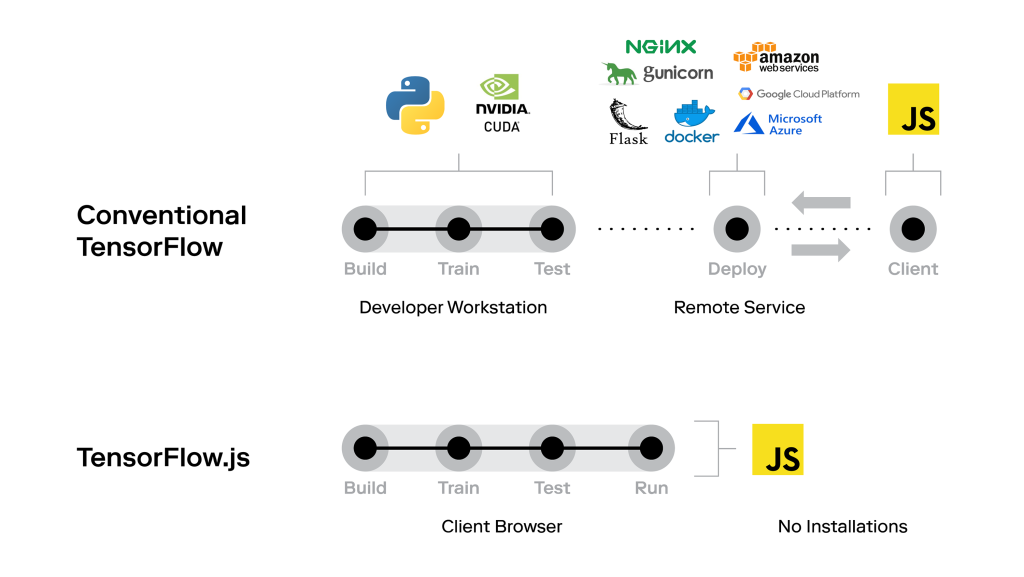
TensorFlow, developed by Google, is one of the most widely used ML frameworks. It provides a comprehensive ecosystem for building and deploying ML models. TensorFlow supports both deep learning and traditional ML algorithms, making it suitable for a wide range of applications. With its flexible architecture and extensive community support, TensorFlow has gained popularity among researchers and developers.
scikit-learn
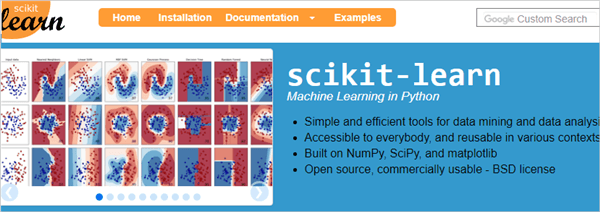
scikit-learn is a versatile ML library written in Python. It offers a wide range of algorithms and tools for data preprocessing, feature extraction, and model evaluation. scikit-learn is known for its ease of use and well-documented API, making it a popular choice for beginners and experienced practitioners alike. The library also provides utilities for model selection and hyperparameter tuning, making it easier to optimize ML models.
Keras
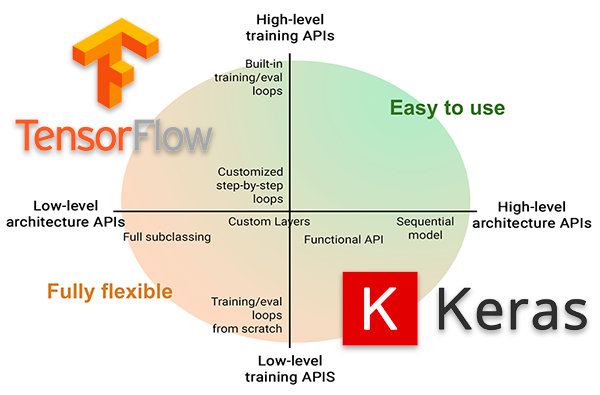
Keras is a high-level neural networks API, built on top of TensorFlow. It provides a user-friendly interface for building deep learning models. Keras allows developers to define and train neural networks with just a few lines of code. Its simplicity and flexibility make it an excellent choice for prototyping and experimenting with different architectures. Keras also supports transfer learning, enabling developers to leverage pre-trained models for their specific tasks.
PyTorch
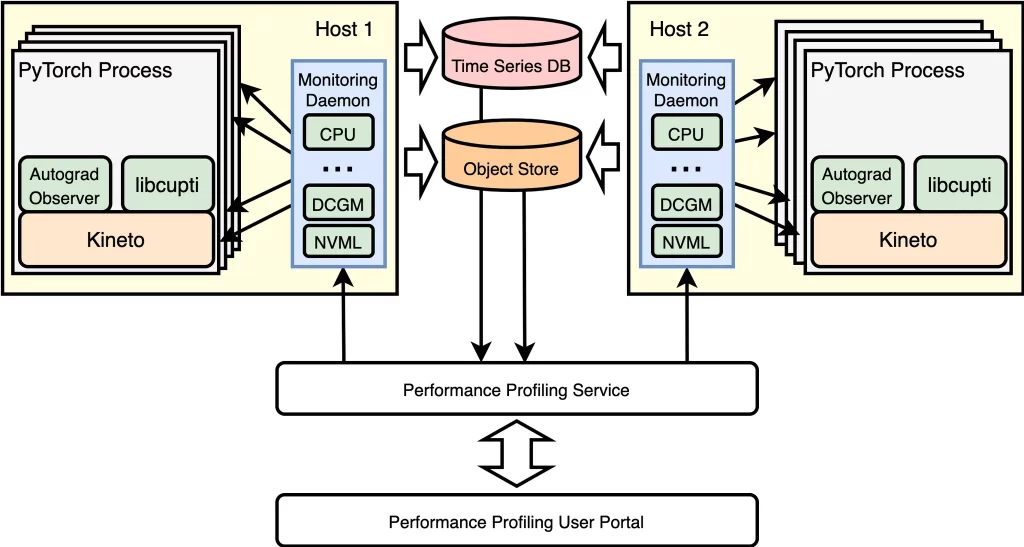
PyTorch, developed by Facebook, is another popular ML framework known for its dynamic computational graph. Unlike TensorFlow, which uses a static graph, PyTorch allows developers to define and modify computational graphs on the fly. This dynamic nature makes PyTorch more intuitive and easier to debug. PyTorch also provides a seamless integration with Python, allowing developers to leverage its vast ecosystem of scientific libraries.
Apache MXNet
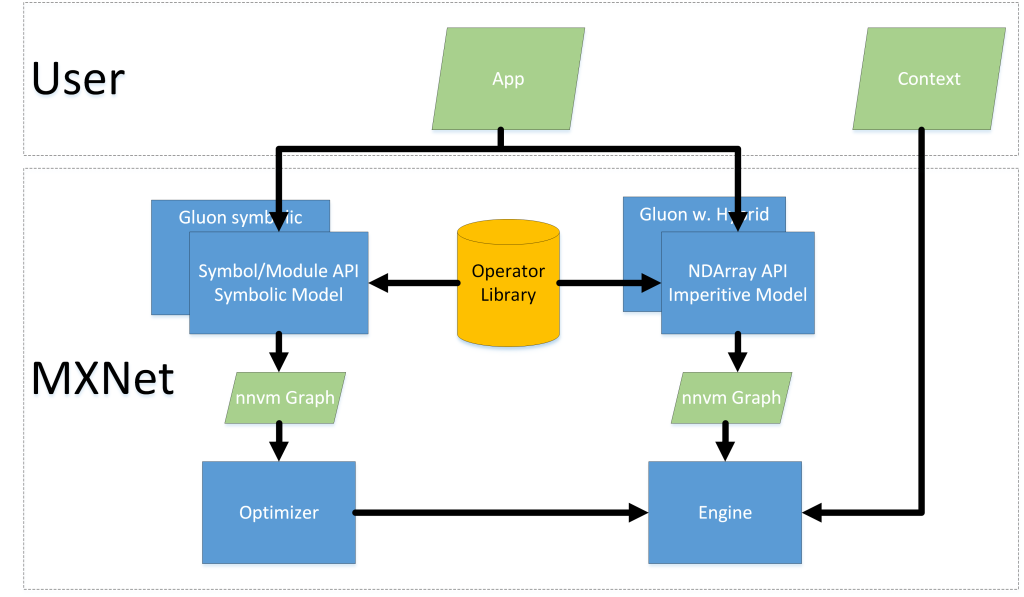
Apache MXNet is a scalable and efficient ML framework developed by Amazon. It supports both imperative and symbolic programming paradigms, giving developers the flexibility to choose the most suitable approach. MXNet is known for its performance and scalability, making it an ideal choice for training large-scale ML models. The framework also provides a high-level API called Gluon, which simplifies the development of deep learning models.
Conclusion
In this article, we explored five popular ML tools: TensorFlow, scikit-learn, Keras, PyTorch, and Apache MXNet. Each tool has its own strengths and weaknesses, making them suitable for different use cases. Whether you are a beginner or an experienced practitioner, these tools can help you develop and deploy ML models with ease. So, start exploring and experimenting with these tools to unleash the power of machine learning in your projects.
