Introduction
In the fast-evolving world of data science, collaboration is key. The ability to work together, share ideas, and leverage the collective intelligence of a team can greatly enhance the effectiveness and efficiency of data science projects.
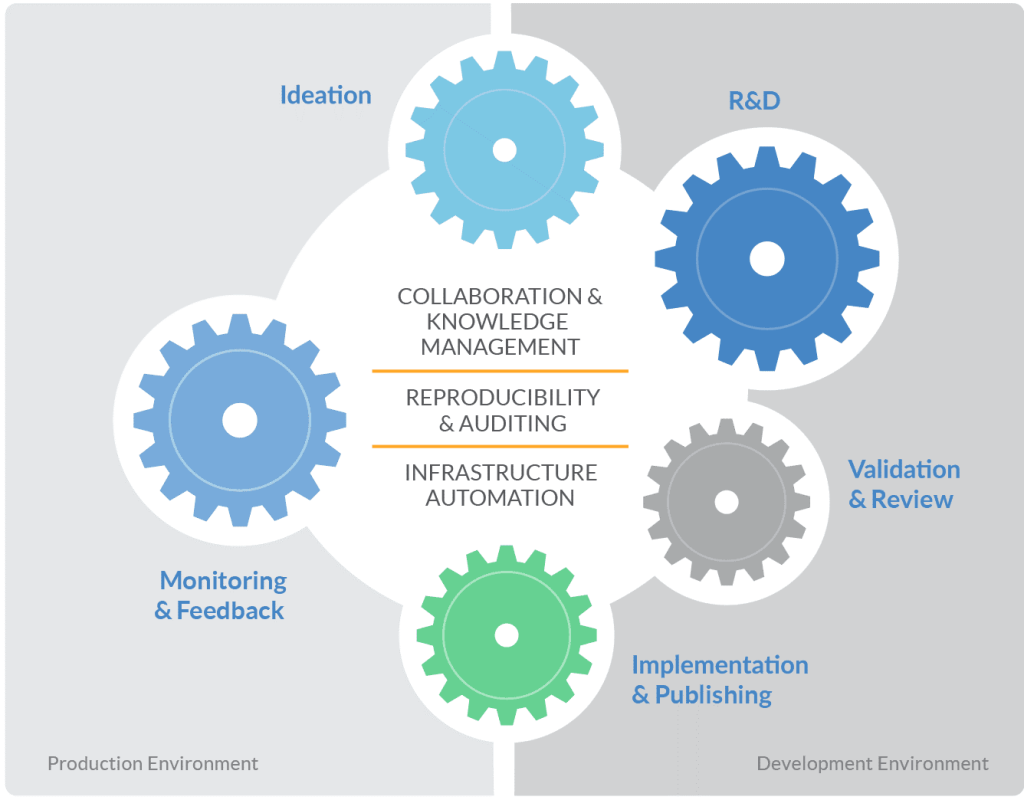
In this article, we will explore some of the top data science collaboration tools that enable teams to collaborate seamlessly and achieve better results.
Kaggle
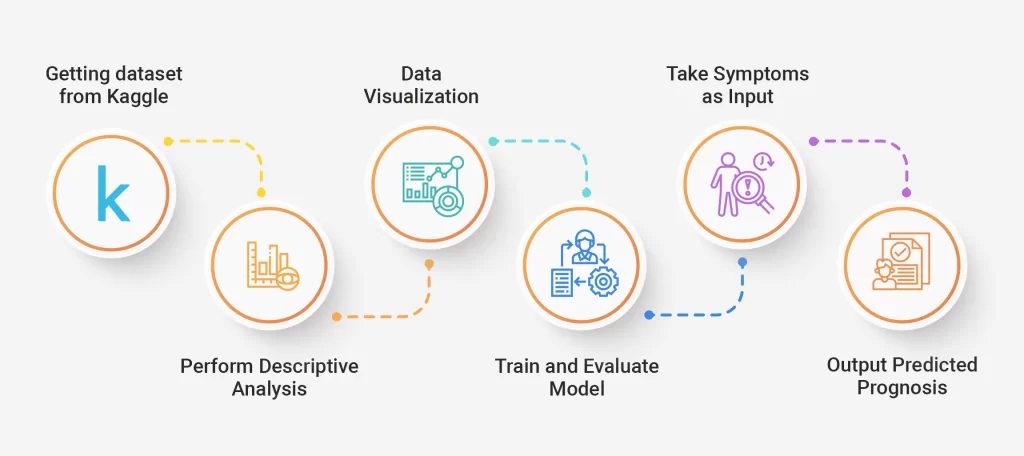
Kaggle is a popular platform for data science competitions and collaboration. It provides a space where data scientists can compete against each other to solve complex problems and showcase their skills. Kaggle allows users to access and analyze large datasets, build models, and share their findings with the community. It also offers features like notebooks, forums, and datasets, which facilitate collaboration and knowledge sharing among data scientists.
Databricks
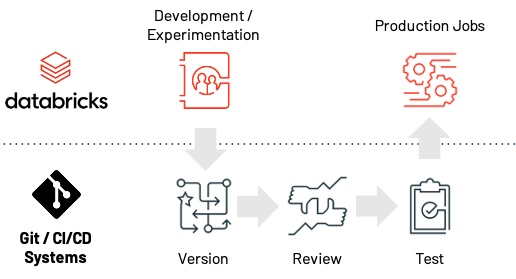
Databricks is a unified analytics platform that provides an environment for collaborative data science and machine learning. It allows data scientists to write code, build models, and analyze data using a variety of tools and programming languages. Databricks provides a collaborative workspace where multiple users can work together on the same project, making it easier to share code, notebooks, and insights. It also offers features like version control, data visualization, and integration with popular data science libraries.
Dataiku
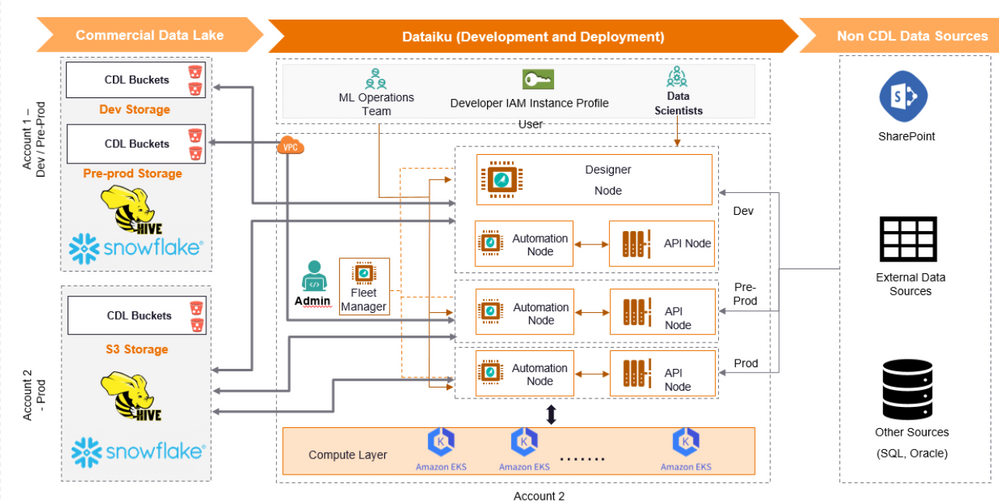
Dataiku is a comprehensive platform for data science collaboration and automation. It provides a visual interface that allows data scientists to build, deploy, and monitor machine learning models. Dataiku enables teams to work together on data science projects by providing features like data preparation, model training, and deployment. It also offers collaboration features like project sharing, workflow management, and real-time collaboration, which streamline the data science process and improve productivity.
Domino Data Lab
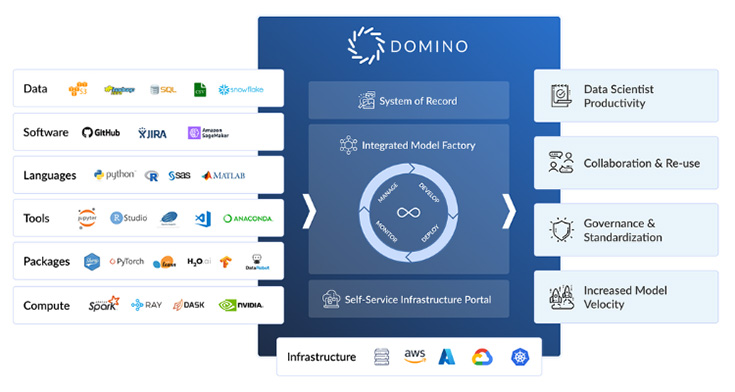
Domino Data Lab is a platform that helps data scientists collaborate and deploy models at scale. It provides a centralized environment where data scientists can work together on projects, share code, and track experiments. Domino Data Lab offers features like version control, reproducibility, and model deployment, which enable teams to collaborate effectively and deploy models into production. It also provides integrations with popular data science tools and libraries, making it easy to incorporate existing workflows into the platform.
H2O.ai
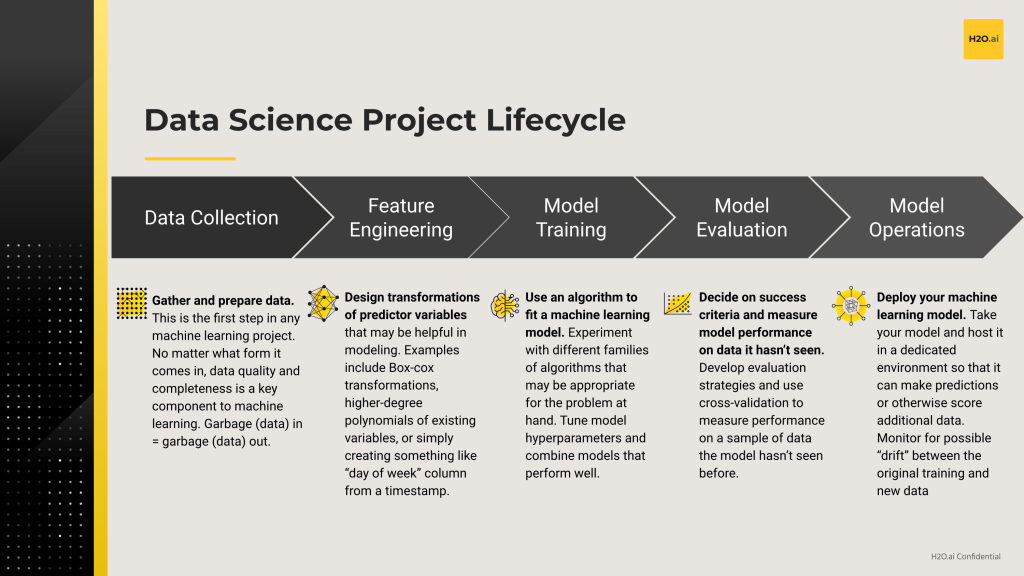
H2O.ai is an open-source platform for machine learning and data science collaboration. It provides a suite of tools and libraries that enable data scientists to build and deploy machine learning models. H2O.ai offers features like automatic machine learning, model interpretability, and model deployment, which simplify the data science process and facilitate collaboration. It also provides a user-friendly interface and integration with popular programming languages like Python and R.
Conclusion
In the world of data science, collaboration is essential for success. By leveraging the power of collaboration tools like Kaggle, Databricks, Dataiku, Domino Data Lab, and H2O.ai, data scientists can work together more effectively, share knowledge, and achieve better results. These tools provide a range of features that streamline the data science process, facilitate collaboration, and empower teams to tackle complex problems. Whether you are a beginner or an experienced data scientist, incorporating these collaboration tools into your workflow can greatly enhance your productivity and success.
