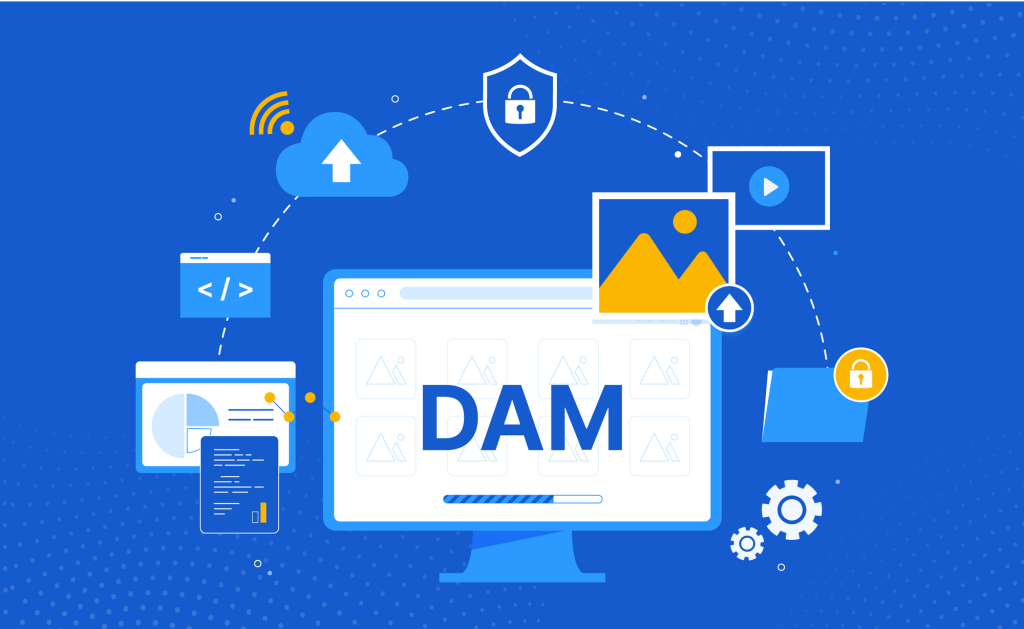
Digital Asset Management (DAM) is a system or software that allows organizations to store, organize, and retrieve digital assets such as images, videos, documents, and other media files. It provides a centralized platform for managing and distributing these assets, making it easier for teams to collaborate, streamline workflows, and ensure brand consistency.
DAM systems offer various features and functionalities that help businesses efficiently manage their digital assets. Let’s explore some of the key features of Digital Asset Management:
Features of Digital Asset Management Websites
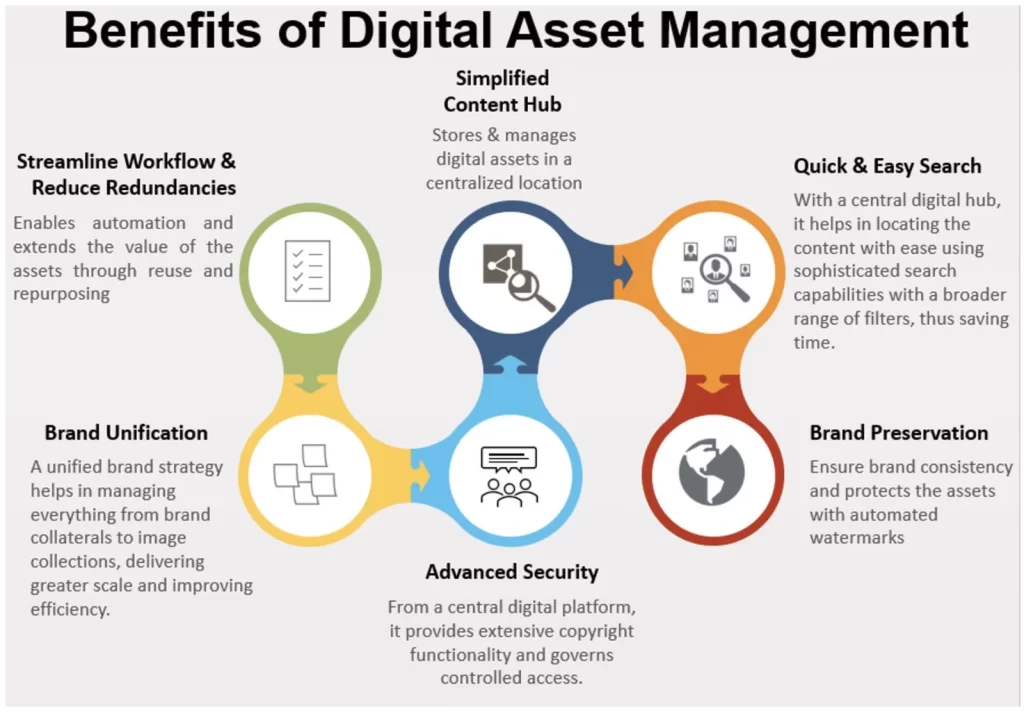
- Asset Organization: DAM systems enable users to categorize, tag, and organize assets in a structured manner, making it easier to search and locate specific files. This feature helps teams save time and effort by eliminating the need to manually sift through folders to find the desired asset.
- Metadata Management: Metadata plays a crucial role in DAM systems as it provides additional information about the assets, such as keywords, descriptions, copyright details, and usage rights. This metadata helps in better asset discovery, rights management, and compliance.
- Version Control: DAM systems offer version control capabilities, allowing users to track the history of changes made to an asset. This feature ensures that the most up-to-date version of an asset is always available, reducing the risk of using outdated or incorrect files.
- Collaboration Tools: DAM systems provide collaboration tools that enable teams to work together seamlessly. Users can share assets, leave comments, and collaborate on projects, ensuring effective communication and efficient workflows.
- Brand Management: DAM systems help maintain brand consistency by providing brand guidelines, templates, and approved assets. This ensures that all marketing materials, campaigns, and communications align with the brand identity, resulting in a cohesive and professional brand image.
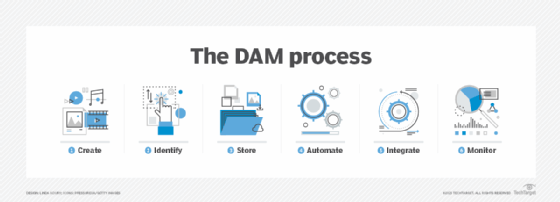
Now that we have explored the key features of Digital Asset Management, let’s take a look at some of the top Digital Asset Management websites:
List of Top Digital Asset Management Websites
- Adobe Experience Manager Assets: Adobe Experience Manager Assets is a powerful DAM solution that offers advanced features for managing and delivering digital assets. It provides seamless integration with other Adobe Creative Cloud applications, making it a popular choice among creative professionals.
- Bynder: Bynder is a cloud-based DAM platform that offers a user-friendly interface and robust features for asset management. It allows users to easily create, organize, and distribute assets, streamlining the entire content creation process.
- Widen Collective: Widen Collective is a comprehensive DAM solution that helps organizations manage their entire digital asset lifecycle. It offers features like asset organization, metadata management, version control, and collaboration tools, making it a versatile choice for businesses of all sizes.
- Canto: Canto is a user-friendly DAM system that offers a wide range of features to manage and distribute digital assets. It provides customizable workflows, advanced search capabilities, and integrations with popular tools like Adobe Creative Cloud and Microsoft Office.
- Cloudinary: Cloudinary is a cloud-based DAM platform that focuses on media management and optimization. It offers features like automatic image transformations, video transcoding, and AI-powered content analysis, helping businesses deliver engaging and optimized digital experiences.
- Wizbrand: The best DAM software on the market, emerges as the pinnacle of Digital Asset Management (DAM) software in the age of digital content. With its intuitive organization, seamless collaboration, rock-solid security, and seamless integration capabilities, Wizbrand empowers businesses to effortlessly manage and leverage their digital assets. Experience enhanced efficiency, creativity, and brand consistency with Wizbrand.
These are just a few examples of the top Digital Asset Management websites available in the market. Each platform offers unique features and benefits, so it’s important to evaluate your specific requirements and choose a DAM system that best aligns with your organization’s needs.
Remember, effective Digital Asset Management is essential for businesses to streamline their workflows, enhance collaboration, and maintain brand consistency. Investing in a reliable DAM system can significantly improve your organization’s efficiency and productivity.
