In a data-driven world, organizations need robust data management practices to handle the increasing complexity and volume of data. DataOps—a blend of data management and DevOps principles—offers an approach that can revolutionize how data is managed, shared, and analyzed. This blog explores how adopting DataOps can optimize your data management practices, resulting in faster insights, improved data quality, and enhanced collaboration.
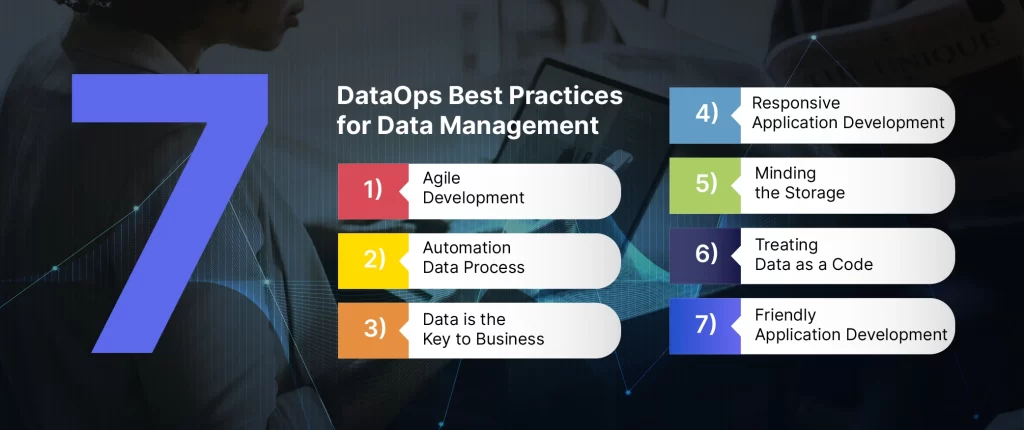
1. Streamlined Data Integration and Processing
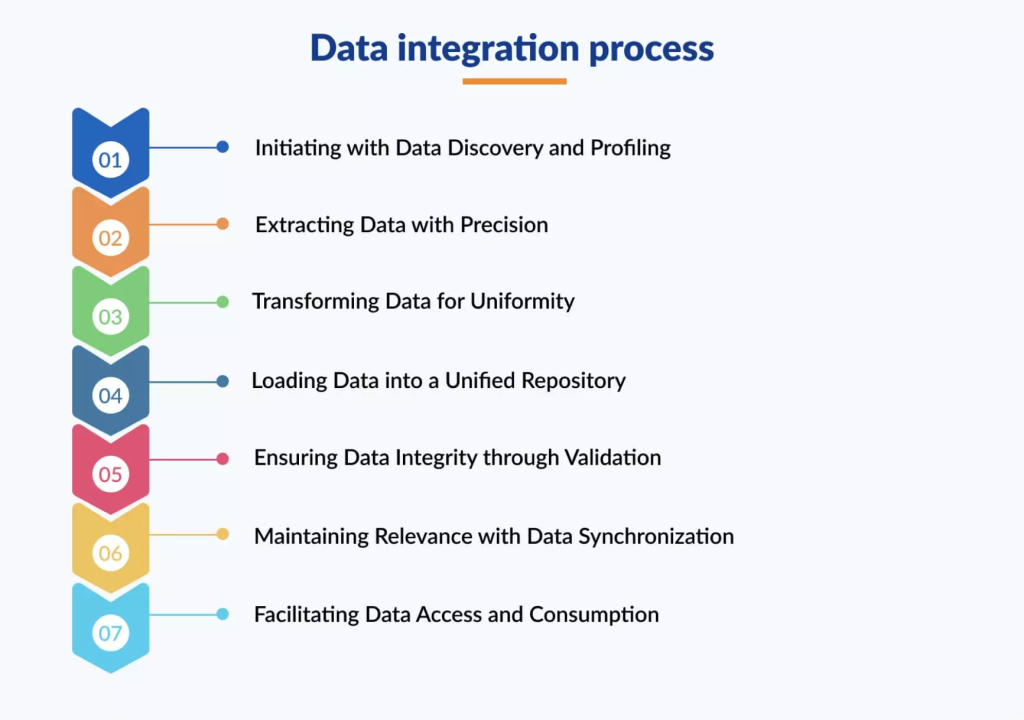
- Enhanced Data Pipeline Efficiency: DataOps brings automation into data integration, allowing data engineers to streamline ETL processes and improve pipeline efficiency.
- Faster Data Flow: By automating repetitive tasks, DataOps tools reduce the time needed to ingest, process, and deliver data across systems, resulting in real-time data access.
2. Improved Data Quality and Governance
- Automated Quality Checks: DataOps platforms integrate automated testing to detect anomalies and inaccuracies early, ensuring higher data quality throughout the pipeline.
- Better Data Governance: DataOps emphasizes structured governance practices, helping organizations maintain compliance and control over data usage and access.
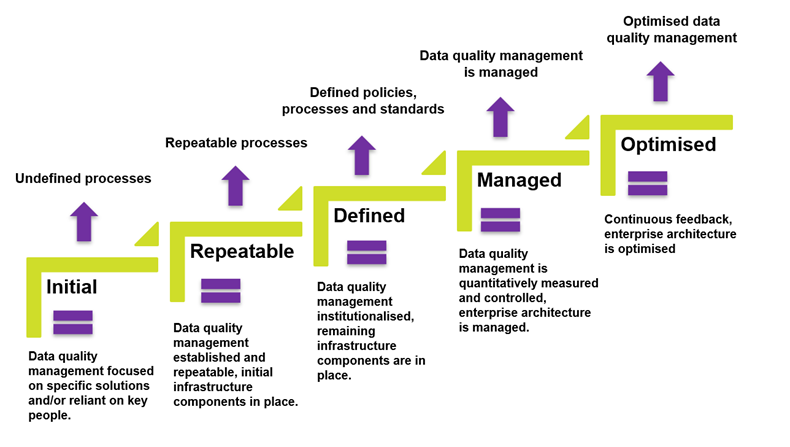
3. Agility in Data Management
- Faster Iteration and Deployment: Leveraging DevOps principles, DataOps enables data teams to quickly iterate and deploy changes in the data environment, reducing time-to-insight.
- Adaptability to Changing Needs: DataOps equips organizations with the flexibility to adapt their data management practices as business and data needs evolve.
4. Enhanced Collaboration Across Teams
- Unified Data Environment: DataOps fosters collaboration by establishing a shared environment for data engineers, analysts, and business users, breaking down silos and enhancing communication.
- Version Control and Transparency: With version control, team members can track changes in data pipelines and collaborate more efficiently, maintaining a clear audit trail.
5. Real-Time Analytics and Decision-Making
- Optimized for Real-Time Data Processing: DataOps supports real-time data processing, enabling organizations to make decisions based on current, accurate information.
- Empowering Data-Driven Decisions: Faster access to reliable data empowers teams to make informed decisions, enhancing strategic planning and operational efficiency.
6. Automation and Reduced Manual Intervention
- Automated Monitoring and Alerting: DataOps platforms offer automation that can monitor pipelines, trigger alerts for anomalies, and even perform automated corrective actions.
- Reduced Human Error: By reducing the need for manual intervention, DataOps minimizes errors, leading to more reliable and consistent data operations.
7. Cost Efficiency and Scalability
- Efficient Resource Utilization: Automation reduces the demand for manual tasks, freeing up resources and optimizing costs.
- Scalable Data Management Solutions: DataOps tools are built for scalability, allowing organizations to expand data operations as their data needs grow without compromising performance.
