Introduction
Imagine building a giant LEGO castle, but someone keeps swapping out your plastic bricks for blocks of melting ice. That is what working with raw digital information often feels like for engineering teams today. Information arrives from many apps, websites, and cloud platforms at top speed, and much of it arrives broken or incomplete.
DataOps brings smart order to this everyday digital chaos. It combines teamwork, continuous testing, and automation so companies can trust the numbers running their systems. Educational communities like TheDataOps.org help curious builders master these operational techniques. In this article, you will discover how simple operational habits turn messy digital streams into reliable information delivery engines.
Understanding the Foundations of Modern Data Operations
DataOps is a set of working habits, cultural values, and automated tools designed to improve how digital facts move through a company. It takes the best lessons from software engineering—specifically DevOps and Agile workflows—and applies them directly to data systems.
In traditional software, developers build apps that take set inputs and create predictable user screens. With information pipelines, however, the code might remain completely unchanged while the incoming information suddenly shifts format without warning. DataOps addresses this challenge by wrapping every step of the journey in automated quality checks.
The Core Idea: Information as a Delivery Pipeline
Think of an enterprise data system like a modern city water network. Water is collected from rain clouds, mountain streams, and underground wells, then sent through treatment centers where filters remove dirt and harmful bacteria before it reaches home kitchens.
A data pipeline works the exact same way:
- Ingestion: Raw details leave source databases, mobile sensors, or website forms.
- Transformation: Scripts clean up typos, adjust time zones, and combine matching records.
- Validation: Automated tests check whether numbers look normal or broken.
- Delivery: Clean rows enter reporting dashboards, cloud storage, or artificial intelligence algorithms.
How DataOps Compares to Traditional Software DevOps
People often ask how DataOps differs from standard DevOps. While both practices emphasize automated testing, continuous integration, and rapid delivery, they manage fundamentally different assets.
| Operational Area | Software DevOps | Enterprise DataOps |
| Core Asset Managed | Application code and compiled binaries | Code, pipelines, and constantly changing data values |
| Primary Failure Cause | Code bugs, logic errors, and broken dependencies | Corrupted schemas, missing values, and upstream changes |
| Testing Focus | Unit tests, interface checks, and user flow tests | Schema drift tests, data freshness, and volume validation |
| Main Goal | Ship reliable application software features rapidly | Deliver trusted, analytics-ready information continuously |
Technical Pillars of Reliable Data Operations
To build an automated delivery network that runs smoothly without constant human intervention, engineering teams rely on several technical building blocks.
Continuous Integration and Automated Testing
In a mature environment, developers write automated tests alongside their transformation queries. Before new SQL queries or Python routines go live, an automated test runner checks them against sample records to verify that outputs calculate properly.
Once the pipeline is running live in production, automated assertions check every single batch of fresh data. For example, a validation rule might confirm that customer age fields never contain negative numbers or blank text. If bad entries appear, the pipeline halts immediately or routes faulty rows into a quarantine bucket instead of corrupting executive dashboards.
Data Observability and Deep Monitoring
Testing only tells you if a known rule breaks. What happens if a partner company suddenly sends half their usual volume, or records arrive three hours late?
Data observability provides continuous visibility across five core dimensions:
- Freshness: Is the information arriving on schedule, or are jobs running behind?
- Volume: Did the pipeline receive one million rows as expected, or only ten rows?
- Schema: Did an upstream team quietly rename, delete, or add a column?
- Distribution: Are values falling within normal mathematical ranges?
- Lineage: Where did this specific metric originate, and what downstream dashboards use it?
Orchestration and Pipeline Automation
Modern platforms require orchestration engines to run tasks in the correct sequence. Tools like Apache Airflow manage these dependencies using Directed Acyclic Graphs, often called DAGs. An orchestrator ensures your data warehouse never runs an aggregation report until the upstream extraction and data cleansing steps finish successfully.
Practical Steps to Build an Automated Workflow
Moving from manual firefighting to automated operations does not happen overnight. Teams follow an iterative approach to modernize their operational routines step by step.
- Version Control Everything: Store all pipeline configurations, database migration scripts, and transformation logic in a Git repository so teammates can track changes and review code together.
- Automate Environment Provisioning: Use container platforms like Kubernetes along with infrastructure scripts to deploy identical development, staging, and production environments.
- Add Pre-Execution Schema Checks: Stop bad records at the entrance gate before they waste expensive warehouse compute power or break downstream models.
- Centralize Pipeline Telemetry: Export execution metrics, job run times, and data quality alerts into shared dashboards like Grafana so platform teams spot slowdowns early.
- Create Automated Quarantine Paths: Rather than letting a single bad row crash an entire multi-hour pipeline, isolate the bad record and let healthy data keep flowing to business users.
Essential Tools Across the Technology Stack
Engineers utilize specialized tools across every layer of the architecture to maintain continuous operational flow:
- Data Processing: Frameworks like Apache Spark and streaming systems like Apache Kafka handle heavy computations and rapid event distribution across servers.
- Orchestration: Apache Airflow and modern workflow schedulers trigger pipeline jobs based on timers, webhooks, or file arrivals.
- Data Quality Management: Open-source assertion libraries validate database tables against declarative rules before analytics layers consume them.
- Visualization and Analytics: Business intelligence platforms such as Tableau and Power BI display clean metrics to help organizational leaders make informed decisions.
Common Challenges and Practical Solutions
Transitioning to automated operations brings unique hurdles that teams must navigate carefully:
- Siloed Team Communication: Data engineers, analysts, and software developers often sit in different departments with conflicting goals. Standardizing communication through shared data contracts helps cross-functional teams agree on payload formats before deploying code changes.
- Unexpected Schema Drift: An e-commerce engineering team might change an address field on their checkout page, inadvertently breaking the analytics team’s daily revenue script. Teams solve this by adding automated contract testing inside continuous delivery routines.
- Alert Fatigue: Flooding engineers with hundreds of non-critical notification emails makes people ignore real emergencies. Setting thoughtful alert thresholds based on historical trends prevents notification overload.
- Legacy Infrastructure Bottlenecks: Older on-premise relational databases can struggle with modern streaming volumes. Migrating processing workloads toward elastic cloud engines gives pipelines the dynamic power needed to absorb sudden demand spikes.
Career Paths for the Modern DataOps Engineer
As companies depend more heavily on dependable data pipelines, technical professionals with operational skills are in high demand. A successful engineer combines classic software habits with deep data processing knowledge.
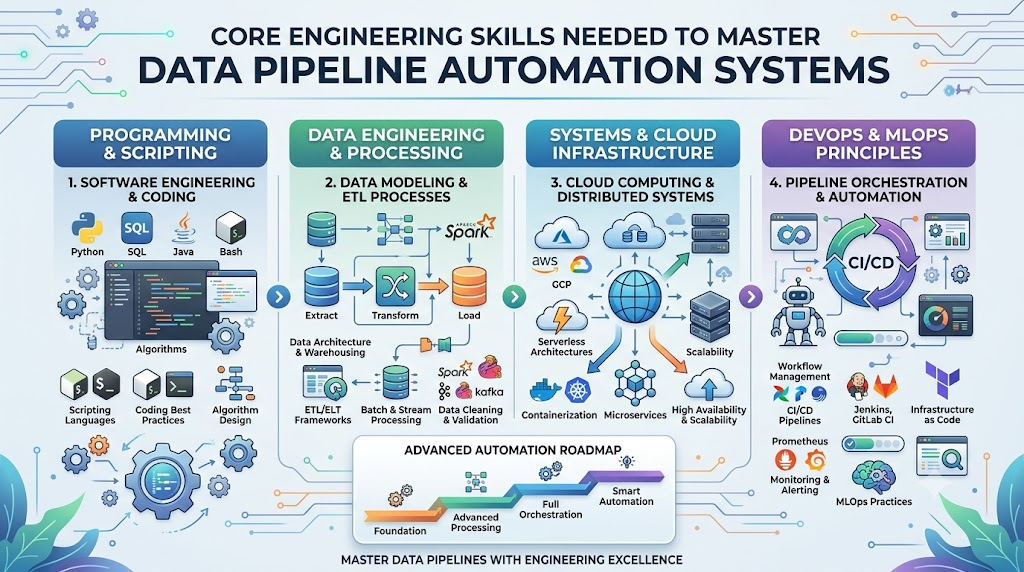
Helpful skills to cultivate include:
- Fluency in modern scripting languages, especially Python and structured SQL.
- Experience configuring container technologies and cloud storage architectures.
- Understanding workflow orchestration tools and automated testing concepts.
- Familiarity with data governance frameworks, privacy requirements, and metadata management.
Aspiring practitioners often begin by learning core workflow automation, practicing with sample datasets, and pursuing structured learning paths. Practical educational hubs like TheDataOps.org provide curated learning resources and technical overviews that guide students, cloud specialists, and platform builders through these evolving industry practices.
Frequently Asked Questions
What is DataOps and why is it important?
DataOps is an operational framework that brings Agile principles, DevOps continuous integration, and automated testing to data pipeline development. It is important because it reduces pipeline failures, speeds up delivery of reports, and guarantees that business teams can trust the metrics running their organizations.
How does data observability differ from simple monitoring?
Traditional monitoring merely checks whether a server is online or a pipeline job finished running. Data observability looks inside the actual information flowing through the pipes, inspecting freshness, volume anomalies, unexpected column alterations, and lineage traces to identify subtle data corruption.
What tools are commonly used in a standard DataOps architecture?
Teams use a combination of technologies, including Git for version control, Apache Airflow for job orchestration, Apache Kafka for streaming, Apache Spark for large-scale data transformation, and Grafana for system health telemetry.
Can small data teams benefit from these operational practices?
Yes. Even a single analyst or data engineer benefits from version-controlling transformation scripts, writing automated data quality checks, and scheduling jobs with an orchestrator. Adopting these habits early prevents compounding technical debt as datasets scale.
What are the foundational skills needed to become a DataOps Engineer?
A DataOps engineer benefits from strong proficiency in Python and SQL, solid knowledge of Linux and container environments, practical experience with workflow schedulers, and a firm grasp of continuous integration testing strategies.
Final Thoughts
Clean information is the lifeblood of modern enterprise systems, from everyday sales dashboards to advanced predictive analytics. When pipelines operate without disciplined testing or continuous monitoring, teams spend their precious workdays manually chasing down spreadsheet discrepancies. Adopting DataOps practices transforms this fragile, stressful dynamic into a resilient, automated software delivery pipeline. Whether you are an aspiring student building your first database or an experienced platform engineer designing cloud infrastructure, mastering continuous delivery principles elevates your craft. Keep exploring modular architectures, automate repetitive manual steps, and consult technical resources like TheDataOps.org to stay informed as operational data practices continue to evolve.
