As we move towards a more data-driven world, healthcare providers are increasingly relying on dataops to improve patient outcomes, reduce costs, and streamline operations. Dataops, which refers to the automation and optimization of data-related processes, is being used in a variety of ways in the healthcare industry. In this article, we will explore some of the most promising dataops use cases in healthcare.
1. Predictive Analytics for Disease Prevention
One of the most exciting applications of dataops in healthcare is predictive analytics. By analyzing vast amounts of data, including patient records, lab results, and genetic information, healthcare providers can predict which patients are at risk of developing certain conditions. This allows for early intervention and preventative measures, which can significantly improve patient outcomes.
For example, a hospital in California used predictive analytics to identify patients at risk of sepsis, a potentially life-threatening condition. By implementing early interventions, they were able to reduce mortality rates by 53%. Similarly, a healthcare provider in New York used predictive analytics to identify patients at risk of heart failure, leading to a 30% reduction in hospitalizations.
2. Real-Time Monitoring for Improved Patient Care
Another way dataops is being used in healthcare is through real-time monitoring. By leveraging sensors, wearables, and other connected devices, healthcare providers can collect real-time data on patients and use it to make informed decisions about their care.
For example, a hospital in Boston is using real-time monitoring to improve the care of patients with Parkinson’s disease. By using sensors to track patients’ movements, they can identify changes in symptoms and adjust treatment plans accordingly. This has led to improved patient outcomes and reduced hospitalizations.
3. Supply Chain Optimization for Reduced Costs
Dataops is also being used to optimize the healthcare supply chain, which can result in significant cost savings. By analyzing data on inventory levels, purchasing patterns, and supplier performance, healthcare providers can identify inefficiencies and make data-driven decisions to improve the supply chain.
For example, a hospital in Texas used data analytics to optimize their supply chain and reduce costs by $1.3 million per year. By analyzing purchasing patterns and negotiating better contracts with suppliers, they were able to reduce inventory levels and improve the efficiency of their supply chain.
4. Fraud Detection for Improved Security
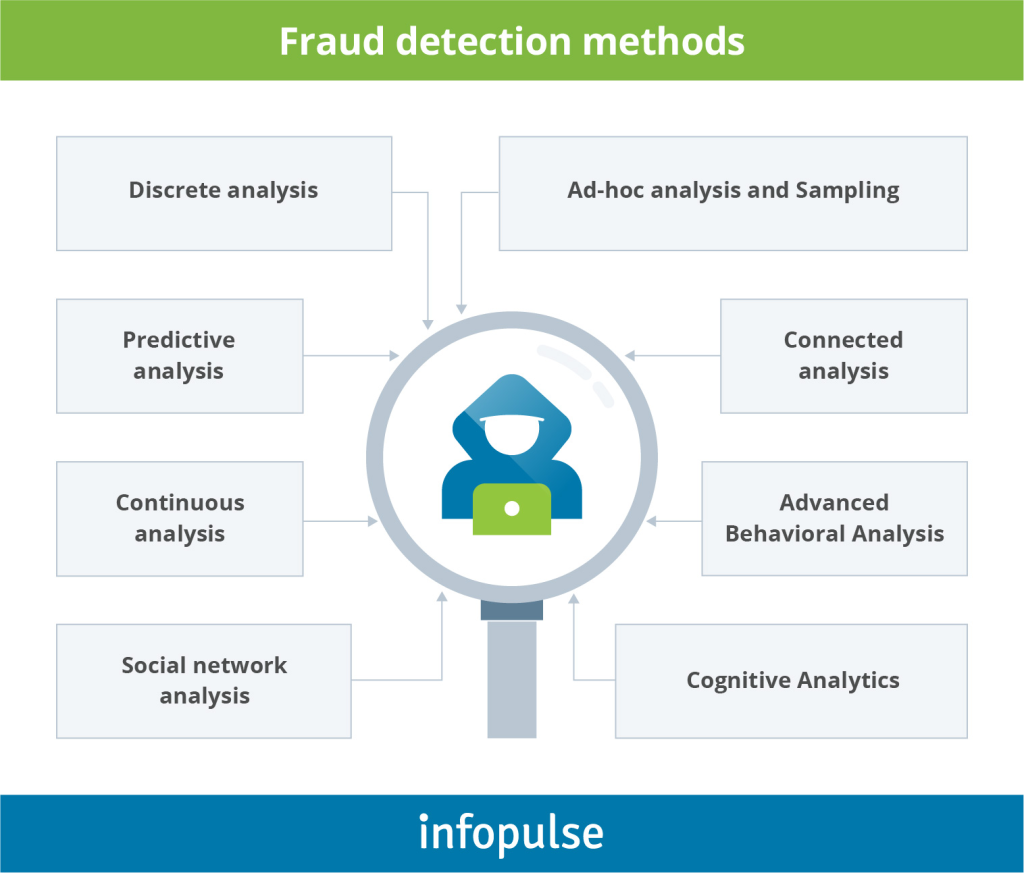
Finally, dataops is being used to improve security in the healthcare industry by detecting fraud and other types of security breaches. By analyzing data on claims, billing patterns, and other factors, healthcare providers can identify suspicious activity and take action to prevent it.
For example, a healthcare provider in Florida used data analytics to identify a fraudulent billing scheme that resulted in $20 million in losses. By analyzing billing patterns and identifying anomalies, they were able to detect the fraud and take action to prevent further losses.
Conclusion
Dataops is revolutionizing the healthcare industry by enabling healthcare providers to make data-driven decisions that improve patient outcomes, reduce costs, and streamline operations. By leveraging predictive analytics, real-time monitoring, supply chain optimization, and fraud detection, healthcare providers can provide better care while also improving the bottom line. As data becomes more prevalent in healthcare, dataops is sure to play an increasingly important role in the industry.
