
Are you tired of managing your network operations manually? Do you want to streamline your network operations and make them more efficient? If yes, then DataOps is the solution for you. In this blog post, we will discuss how you can use DataOps for network operations.
What is DataOps?
DataOps is a methodology that combines data engineering, DevOps, and Agile methodologies to accelerate the delivery of data-driven insights. It allows organizations to manage their data pipelines efficiently, automate workflows, and improve collaboration between teams.
Why Use DataOps for Network Operations?
Network operations involve managing a vast amount of data. It includes monitoring network performance, detecting and resolving issues, and ensuring network security. DataOps can help you manage your network operations by:
- Automating network monitoring and alerting
- Analyzing network data in real-time
- Identifying network issues before they become critical
- Enabling proactive network management
- Improving collaboration between network and data teams
How to Implement DataOps for Network Operations?
Implementing DataOps for network operations involves the following steps:
Step 1: Define Your Objectives
The first step is to define your objectives for using DataOps in your network operations. What problems do you want to solve? What are your goals? What are the metrics you want to track?
Step 2: Identify Your Data Sources
Identify the data sources you want to use for your network operations. This may include network logs, performance metrics, security logs, and more.
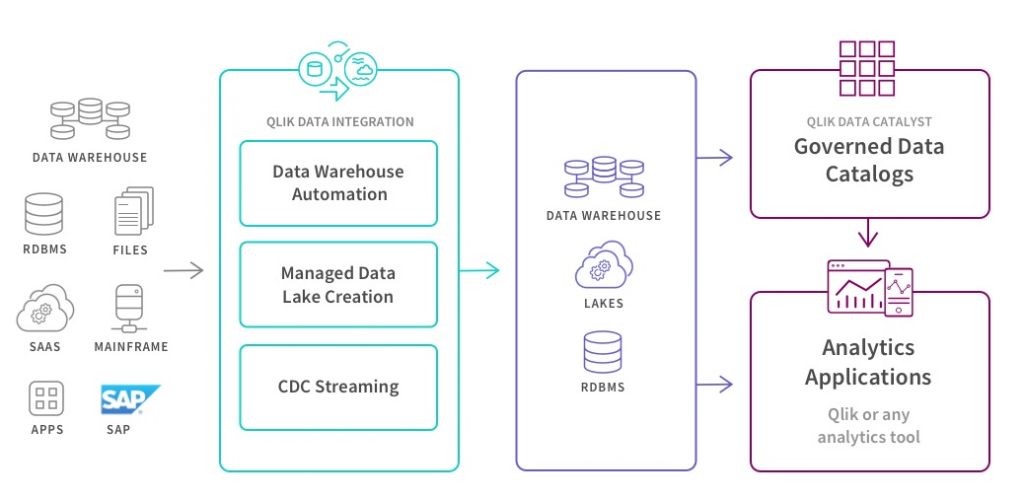
Step 3: Develop Your Data Pipeline
Develop your data pipeline by connecting your data sources to your data platform. This may involve using tools like Apache Kafka, Apache Spark, or other data streaming technologies.
Step 4: Automate Your Workflows
Automate your workflows by using tools like Apache Airflow or other workflow automation tools. This will enable you to automate network monitoring, alerting, and issue resolution.
Step 5: Analyze Your Data
Analyze your data using tools like Apache Spark, Elasticsearch, or other data analysis tools. This will enable you to gain insights into your network performance, detect issues, and identify trends.
Step 6: Improve Collaboration
Improve collaboration between network and data teams by using collaboration tools like Slack, Microsoft Teams, or other team collaboration tools. This will enable teams to work together more efficiently and effectively.
Conclusion
In conclusion, DataOps is a powerful methodology for managing network operations. It can help you automate workflows, analyze data in real-time, and improve collaboration between network and data teams. By following the steps outlined in this blog post, you can implement DataOps in your network operations and streamline your operations for greater efficiency and effectiveness.
