Introduction
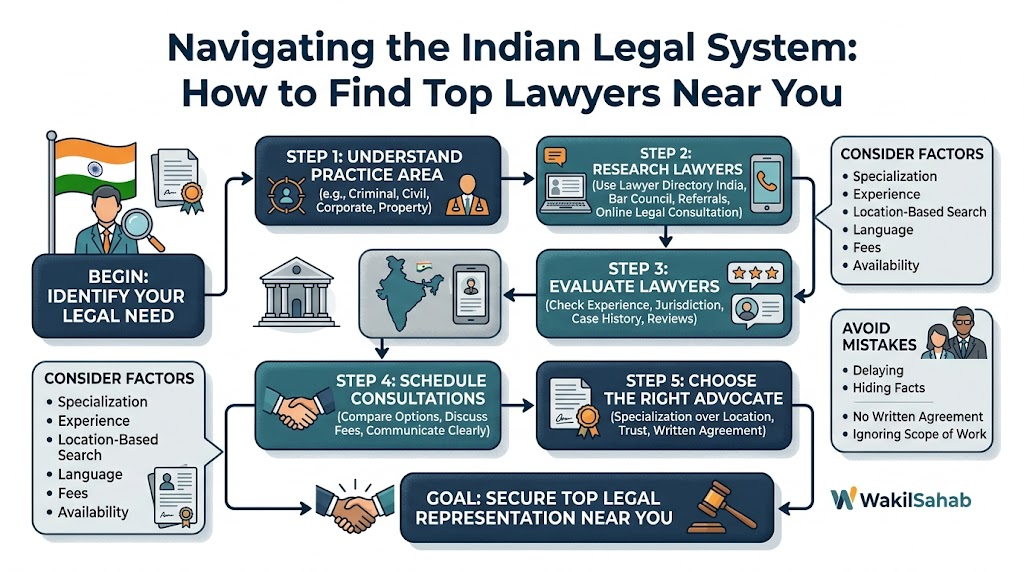
Navigating the Indian legal ecosystem can feel overwhelming for individuals, families, startups, and established enterprises alike. Whether you are dealing with a property dispute, entering matrimonial proceedings, drafting business contracts, or addressing an unexpected cyber crime issue, understanding your legal rights is the first critical step toward resolving a dispute. In India, accessing timely legal information and identifying the right legal professional often poses a significant challenge. Many citizens delay seeking legal assistance simply because they do not know where to start, how to evaluate a lawyer’s practice area, or what to expect during a legal consultation. This comprehensive guide breaks down the process of understanding your legal options, identifying specialized legal practice areas, preparing for a consultation, and using structured digital platforms to discover qualified legal professionals across India.
Understanding the Indian Legal Landscape
The legal system in India is structured around a hierarchy of judicial bodies and specialized tribunals. At its apex stands the Supreme Court of India, followed by High Courts in individual states, and District Courts handling civil and criminal matters at the local level. Additionally, specialized tribunals—such as the National Company Law Tribunal (NCLT) for corporate matters or the Consumer Disputes Redressal Commissions for consumer grievances—handle specific legal categories.
For non-lawyers, the primary challenge is translating a real-world problem into its correct legal categorization. A single incident, such as a business partner withholding funds, could involve civil recovery remedies, contractual breach claims, or criminal breach of trust proceedings under Indian law.
Understanding whether a matter falls under civil, criminal, corporate, or family law allows individuals and businesses to seek targeted legal representation rather than generic advice.
+-------------------------------------------------------------------+
|                     SUPREME COURT OF INDIA                        |
+-------------------------------------------------------------------+
                                  |
+-------------------------------------------------------------------+
|                        STATE HIGH COURTS                          |
+-------------------------------------------------------------------+
                                  |
        +-------------------------+-------------------------+
        |                                                   |
+-------------------------------+       +-----------------------------------+
|  DISTRICT & SESSIONS COURTS   |       |       SPECIALIZED TRIBUNALS       |
|  (Civil & Criminal Matters)   |       |   (NCLT, NGT, DRT, Consumer)      |
+-------------------------------+       +-----------------------------------+
Why Timely Legal Guidance Is Important
Delaying legal consultation is a common pitfall. Under Indian law, specific statutes dictate time limits—known as limitation periods—within which legal proceedings, notices, or appeals must be initiated.
Benefits of Early Legal Intervention
- Preservation of Rights: Early advice ensures that statutory deadlines, such as issuing a formal legal notice within a prescribed timeframe, are met.
- Evidence Protection: Prompt action prevents crucial documentary, digital, or physical evidence from being lost or tampered with.
- Risk Mitigation: Identifying potential legal liabilities early enables proactive measures, preventing escalation into protracted court proceedings.
- Cost Efficiency: Resolving a dispute through structured negotiation, mediation, or pre-litigation settlement is significantly less expensive than lengthy court proceedings.
Breakdown of Key Legal Practice Areas
Selecting the right professional requires matching your specific legal issue with a lawyer who specializes in that precise domain.
                      +-----------------------------+
                      |   LEGAL PRACTICE AREAS      |
                      +-----------------------------+
                                     |
    +-------------------+------------+------------+--------------------+
    |                   |                         |                    |
+-------+           +--------+               +----------+         +-----------+
| Civil |           | Family |               | Criminal |         | Corporate |
+-------+           +--------+               +----------+         +-----------+
    |                   |                         |                    |
    |-- Property        |-- Divorce               |-- Bail             |-- Contracts
    |-- Title Check     |-- Maintenance           |-- FIR              |-- Compliance
    |-- Recovery        |-- Custody               |-- Cyber Crime      |-- IP Rights
1. Civil and Property Law
Civil law governs private disputes between individuals, businesses, or institutions. Property lawyers specialize in title verification, sale agreements, land disputes, partition suits, and landlord-tenant disagreements. Before purchasing real estate, title verification by a property lawyer is essential to confirm undisputed ownership and prevent title defects.
2. Family and Matrimonial Law
Family law covers legal relationships, including marriage, divorce proceedings, child custody, maintenance, and inheritance rights. Matrimonial disputes require advocates who understand procedural requirements, mediation mechanisms, and personal family laws applicable under various Indian statutes.
3. Criminal Law and Cyber Crime
Criminal law addresses offenses against public order and safety. Key elements include the filing of a First Information Report (FIR), bail applications, anticipatory bail, and trial proceedings. Cyber crime lawyers handle offenses involving online fraud, identity theft, data breaches, financial cyber scams, and violations under the Information Technology Act.
4. Corporate, Business, and Commercial Law
Corporate lawyers assist startups, entrepreneurs, and established enterprises with business contracts, regulatory compliance under the Companies Act, employment agreements, intellectual property protection, and commercial dispute resolution.
Core Practice Areas Comparison
The table below outlines common legal matters and their corresponding practice specializations:
| Lawyer Type | Common Legal Matters Handled | Typical Clients & Situations |
| Property Lawyer | Title verification, sale deeds, partition suits, land disputes, lease agreements | Property buyers, sellers, landlords, heirs facing inheritance disputes |
| Divorce & Family Lawyer | Mutual/contested divorce, child custody, alimony, domestic violence proceedings | Individuals navigating marital breakdown or family asset division |
| Criminal Lawyer | Bail applications, anticipatory bail, FIR quashing, criminal trial defense | Individuals facing police investigations, summons, or criminal allegations |
| Cyber Crime Lawyer | Online financial fraud, identity theft, unauthorized access, data privacy breaches | Victims of digital fraud, hacking, or IT compliance violations |
| Corporate Lawyer | Founder agreements, IP registration, contract drafting, regulatory compliance | Startups, business owners, corporate entities, investors |
Factors to Consider When Choosing a Lawyer in India
Selecting an appropriate legal representative is a decision that impacts the trajectory of your legal matter. Consider the following factors:
                            +--------------------------+
                            |  SELECTION CRITERIA     |
                            +--------------------------+
                                         |
         +------------------+------------+------------+------------------+
         |                  |                         |                  |
+-----------------+ +---------------+         +---------------+ +-----------------+
| Specialization  | | Forum         |         | Communication | | Transparency   |
| & Experience    | | Experience    |         | & Language    | | & Fee Terms     |
+-----------------+ +---------------+         +---------------+ +-----------------+
Specialization and Direct Experience
Ensure the legal professional demonstrates direct experience in handling matters similar to yours. A general civil practitioner may not be fully equipped to handle complex corporate compliance or dynamic cyber crime proceedings.
Court and Forum Familiarity
Procedural nuances vary across trial courts, District Courts, High Courts, and specialized tribunals. Choosing an advocate with regular practice in the specific court where your matter will be heard ensures procedural efficiency.
Professional Transparency and Fee Structure
A professional legal relationship requires clear discussion regarding engagement terms, consultation fees, and scope of service. While legal fees vary based on complexity and experience, understanding the billing model (per-hearing, lump-sum retainer, or task-based fees) prevents misunderstandings later.
Online Legal Consultation vs. Traditional In-Person Consultation
Digital platforms have expanded how citizens access legal guidance. Understanding the differences between online and in-person legal consultation models helps you select the best approach for your current situation.
| Factor | Online Legal Consultation | In-Person Legal Consultation |
| Accessibility | Connect from any location across India | Requires traveling to advocate’s office or court premises |
| Speed | Quick scheduling for urgent initial guidance | Subject to office appointment availability and court schedules |
| Document Review | Digital uploads of soft copies, contracts, and notices | Physical verification of original document bundles |
| Ideal For | Early-stage advice, contract reviews, general rights assessment | Complex litigation preparation, court representation, deep trials |
| Cost Efficiency | Saves travel time and reduces initial discovery costs | May involve higher costs associated with formal office visits |
When Should You Consult a Qualified Lawyer?
Knowing when to seek formal legal representation is critical. Consult a legal professional promptly if you encounter any of the following scenarios:
- You receive a formal legal notice, court summons, or police communication.
- You are planning to execute a high-value real estate transaction or property agreement.
- You are starting a business partnership, raising capital, or entering long-term commercial contracts.
- You are experiencing an irreparable marital breakdown involving child custody or property claims.
- You have been victimized by an online financial scam, data breach, or digital extortion attempt.
- You are named in an FIR or apprehend criminal allegations where bail proceedings may be required.
Key Legal Proceedings & Processes Compared
Understanding key procedural terms helps you communicate effectively during a legal consultation:
| Procedure / Stage | Primary Objective | Key Requirements & Considerations |
| Legal Notice | Formally state a legal claim before initiating court action | Must detail complete facts, legal demand, and a specific response timeframe |
| FIR (First Information Report) | Initiate police investigation in cognizable criminal offenses | Must be registered at police station or reported via official cyber portals |
| Bail Proceedings | Secure release of an accused individual from custody pending trial | Requires demonstrating non-flight risk, compliance with court conditions |
| Title Verification | Confirm clear ownership and legal status of real estate property | Requires examining past ownership records (13–30 years), encumbrance certificates |
| Mutual Consent Divorce | Dissolve marriage amicably based on agreed settlement terms | Requires settlement agreement on alimony, asset split, and child custody |
Common Mistakes When Seeking Legal Help
Avoiding structural errors during legal discovery protects your rights, time, and resources.
+-----------------------------------------------------------------------+
|                       COMMON LEGAL MISTAKES                           |
+-----------------------------------------------------------------------+
| [!] Delaying action until statutory limitation deadlines pass         |
| [!] Selecting an advocate based solely on the lowest fee structure    |
| [!] Relying on generic social media posts as personalized legal advice|
| [!] Concealing unfavorable facts or documents from your advocate     |
| [!] Signing legal documents without understanding obligation terms    |
+-----------------------------------------------------------------------+
- Delaying Action: Waiting until statutory deadlines pass severely limits your remedies.
- Prioritizing Low Cost Over Specialization: Choosing representation purely on low fees rather than relevant practice area expertise can jeopardize your case.
- Concealing Relevant Facts: Failing to share full, accurate facts with your lawyer—including unfavorable documents—prevents them from building a proper legal strategy.
- Relying on Unverified Online Advice: Relying on generic social media commentary or forum posts instead of verified statutory provisions and qualified legal counsel.
- Signing Unread Documents: Signing agreements, waivers, or consent forms without professional legal review.
Expert Tips for Navigating Legal Consultations
Organized preparation ensures you maximize the value of your legal consultation:
- Compile a Chronological Timeline: Prepare a simple date-wise sequence of events detailing facts, communications, and disputes.
- Organize Relevant Documents: Gather relevant contracts, notices, bank records, emails, or communication receipts prior to the session.
- Define Your Desired Outcome: Clarify what resolution you seek—such as financial recovery, contract termination, or court protection.
- Ask Direct Questions: Inquire about legal remedies, expected timelines, court forums, and estimated costs.
- Maintain Copies of Everything: Retain organized physical and digital records of every document provided to or received from legal representatives.
Best Practices for Managing Legal Disputes in India
Applying established best practices helps manage legal risk effectively:
- Verify Credentials: Ensure your legal representative is registered with the relevant State Bar Council.
- Opt for Written Agreements: Ensure engagement terms, scope of service, and professional fees are documented clearly in writing.
- Respect Procedural Deadlines: Submit required documents, affidavits, and information to your lawyer well in advance of court hearing dates.
- Explore Alternative Dispute Resolution (ADR): Assess whether arbitration, conciliation, or mediation offers a faster, more cost-effective alternative to litigation.
- Maintain Confidentiality: Keep sensitive legal strategies, communications, and case materials secure.
The Evolution of Legal Discovery and Digital Directories in India
The legal sector in India is experiencing a digital transformation. Historically, individuals relied entirely on word-of-mouth recommendations or physical court visits to find legal counsel. This informal discovery process often resulted in mismatched specializations, lack of fee transparency, and geographical limitations.
Structured legal information portals and lawyer directories provide transparent legal discovery across India. These platforms enable citizens and business owners to research practice areas, understand basic legal frameworks, and connect with legal professionals based on location, practice domain, and consultation preferences.
Digital legal technology enhances access to justice by lowering information barriers, facilitating online legal consultations, and enabling informed decision-making before committing to formal engagement.
Understanding the Value of Legal Discovery Platforms
Navigating complex legal requirements requires access to reliable legal information and structured professional discovery. Legal discovery platforms function as digital bridges, helping individuals locate advocates specializing in specific practice domains across various cities in India.
Platforms like WakilSahab focus on organizing information around legal practice areas, statutory procedures, and lawyer discovery. By offering educational legal resources alongside categorized directories, such platforms empower users to understand their options, prepare necessary documentation, and connect with suitable legal professionals for personalized guidance.
Frequently Asked Questions (FAQs)
How can I find a verified lawyer near me in India?
To find a qualified lawyer near you, utilize legal discovery directories that organize advocates by city, court, and specialized practice area. Verify that the advocate is registered with the Bar Council of their state. Structured online platforms allow you to evaluate practice areas, office locations, and consultation options before booking a session.
What is the difference between legal information and legal advice?
Legal information provides general explanations of statutes, court procedures, legal rights, and documentation rules. Legal advice, by contrast, involves a qualified advocate analyzing your specific facts, applying the law to your situation, and recommending a custom course of legal action. General information guides awareness, while legal advice directs formal action.
How does an online lawyer consultation work in India?
An online lawyer consultation involves scheduling a virtual meeting or call with an advocate through a secure platform. You share relevant documents digitally beforehand, outline your factual situation during the call, and receive preliminary legal assessment and directional guidance regarding your legal rights, options, and next steps without visiting an office.
When should I consult a property lawyer in India?
You should consult a property lawyer before buying or selling real estate, executing lease agreements, or when facing boundary, tenant, or inheritance disputes. A property lawyer conducts title verification, inspects encumbrance records, reviews sale deeds, and ensures the property is free from title defects or legal encumbrances.
What steps should I take if I am a victim of cyber crime?
If you fall victim to cyber crime, immediately report the incident on the official National Cyber Crime Reporting Portal (cybercrime.gov.in) or at your local cyber crime police station. Freeze affected bank accounts if financial fraud occurred, preserve digital evidence like screenshots and transaction IDs, and consult a cyber crime lawyer promptly.
How do I choose between a corporate lawyer and a general consultant for my business?
Choose a corporate lawyer if your business requires drafting custom contracts, navigating regulatory compliance under the Companies Act, managing intellectual property, or handling formal commercial disputes. For routine operations, general legal consultants offer guidance, but specialized corporate advocates are necessary for binding agreements, equity structuring, and court representation.
What should I prepare before meeting a divorce lawyer?
Before meeting a divorce lawyer, assemble key documentation including your marriage certificate, financial statements, proof of assets, records of communication, and a timeline of marital events. Clearly state your priorities regarding child custody, alimony, or property division to enable the lawyer to evaluate options under applicable personal laws.
When is it necessary to hire a criminal lawyer?
You should hire a criminal lawyer immediately if you receive police summons, face criminal investigation, anticipate arrest, or need to file or respond to an FIR. A criminal lawyer assists in applying for anticipatory bail, regular bail, quashing improper proceedings, and preparing a legal defense during trial proceedings.
Can I get free legal advice online in India?
General educational resources, legal articles, and basic legal awareness portals offer free access to legal information online. However, personalized legal advice tailored to specific case facts usually requires a formal consultation with a registered advocate. Government initiatives like Tele-Law also provide legal aid services to eligible categories under the Legal Services Authorities Act.
What factors influence legal consultation fees in India?
Legal consultation fees vary based on the advocate’s experience, legal specialization, court level (District Court, High Court, Supreme Court), location, and case complexity. Consultation fees may be charged per session, while litigation representation may follow a per-hearing or fixed retainer structure discussed prior to engagement.
Conclusion
Understanding your legal rights and navigating the Indian judicial system requires accurate legal information and timely professional guidance. Whether you are addressing a complex commercial dispute, securing real estate property through thorough title verification, resolving family matters, or addressing digital cyber threats, identifying the correct legal path early prevents long-term legal complications. While educational resources provide valuable legal awareness, generic information cannot substitute for custom legal advice tailored to specific facts. Utilizing structured legal discovery platforms allows citizens, startups, and established enterprises to locate verified advocates across India efficiently. Taking informed, proactive steps ensures that your legal rights are protected at every stage of the legal process.
