Are you tired of hearing about DevOps? Well, it’s time to shift your focus to DataOps! DataOps is a relatively new concept in the world of data management that combines the principles of DevOps with data engineering and data science. In this blog post, we will explore what DataOps is, why it matters, and how it can benefit your organization.
What is DataOps?
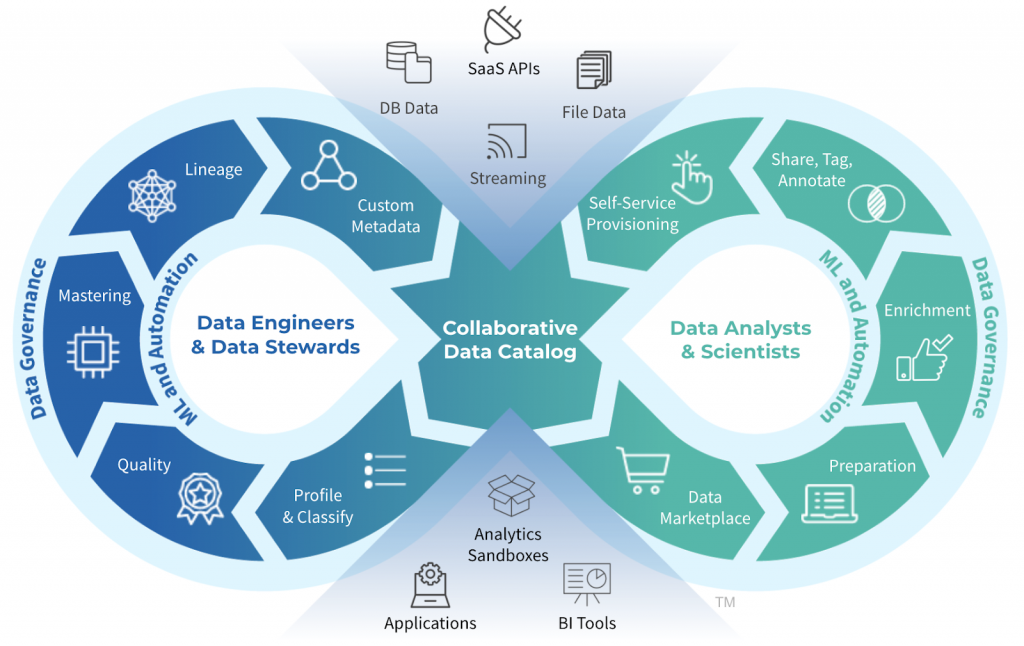
DataOps is a methodology that emphasizes collaboration, communication, and automation between data engineers, data scientists, and IT operations. It aims to streamline the entire process of data management, from data integration to analysis and reporting. Just like DevOps, DataOps is not a tool or a technology, but a cultural shift in the way organizations manage their data.
The concept of DataOps was first introduced by Andy Palmer, the former CEO of Tamr, in 2015. In a blog post, he described DataOps as “an automated, process-oriented methodology used by analytic and data teams to improve the quality and reduce the cycle time of data analytics.”
Why Does DataOps Matter?
Data is becoming increasingly important in today’s business world. Organizations are collecting vast amounts of data from various sources, and they need to process and analyze it quickly to gain insights and make informed decisions. DataOps can help organizations achieve this by streamlining the entire data management process.
DataOps can also help organizations improve the quality of their data. By automating the data management process, organizations can reduce the risk of human error and ensure that their data is accurate and up-to-date.
How Can DataOps Benefit Your Organization?
DataOps can bring many benefits to your organization, including:
Improved Collaboration
DataOps encourages collaboration between data engineers, data scientists, and IT operations. By working together, these teams can ensure that the data management process is streamlined and efficient.
Faster Time-to-Insight
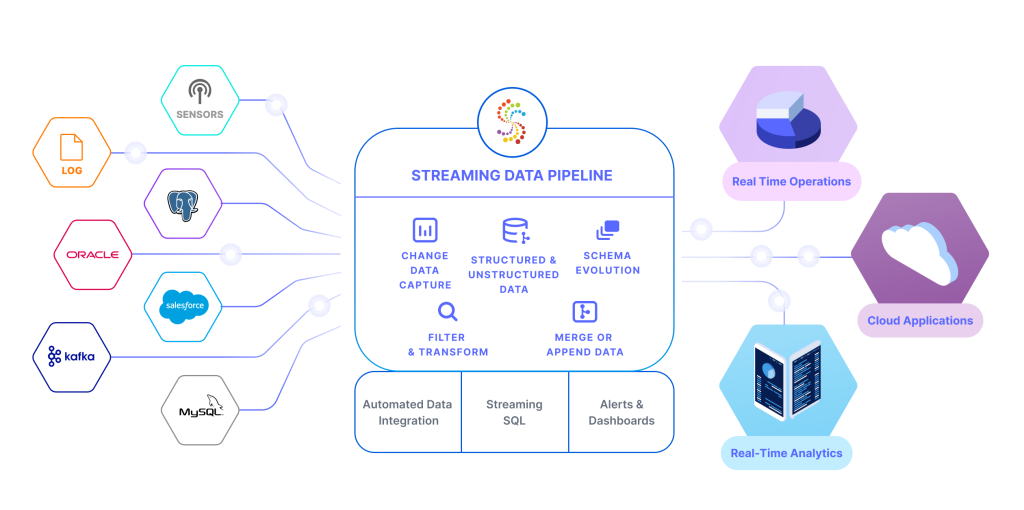
DataOps can help organizations process and analyze data more quickly, which means they can gain insights and make informed decisions faster.
Better Data Quality
DataOps can help organizations ensure that their data is accurate and up-to-date, which improves the quality of their insights and decisions.
Increased Agility
DataOps can help organizations become more agile by enabling them to quickly adapt to changing data requirements and business needs.
Cost Savings
DataOps can help organizations reduce the cost of data management by automating repetitive tasks and reducing the risk of human error.
Conclusion
DataOps is a new approach to data management that combines the principles of DevOps with data engineering and data science. It emphasizes collaboration, communication, and automation between data engineers, data scientists, and IT operations. DataOps can bring many benefits to your organization, including improved collaboration, faster time-to-insight, better data quality, increased agility, and cost savings. So, if you want to stay ahead of the game in the world of data management, it’s time to embrace DataOps!
