Are you curious about how Google Cloud is using MLOps in Monitoring and Observability? If so, you’ve come to the right place. In this article, we’ll dive into the topic and explore it in detail.
What is MLOps?
MLOps is a practice that combines machine learning with DevOps. It is a methodology that focuses on the process of using machine learning models in a production environment. MLOps involves the use of various tools and techniques to automate the machine learning lifecycle, including building, training, deploying, and monitoring models.
What is Monitoring and Observability?
Monitoring and Observability are two essential aspects of managing any system. Monitoring is the process of collecting data about a system and its components to detect potential issues and ensure that the system is functioning correctly. Observability, on the other hand, is the ability to understand the behavior of a system based on its outputs.
How Google Cloud is using MLOps in Monitoring and Observability
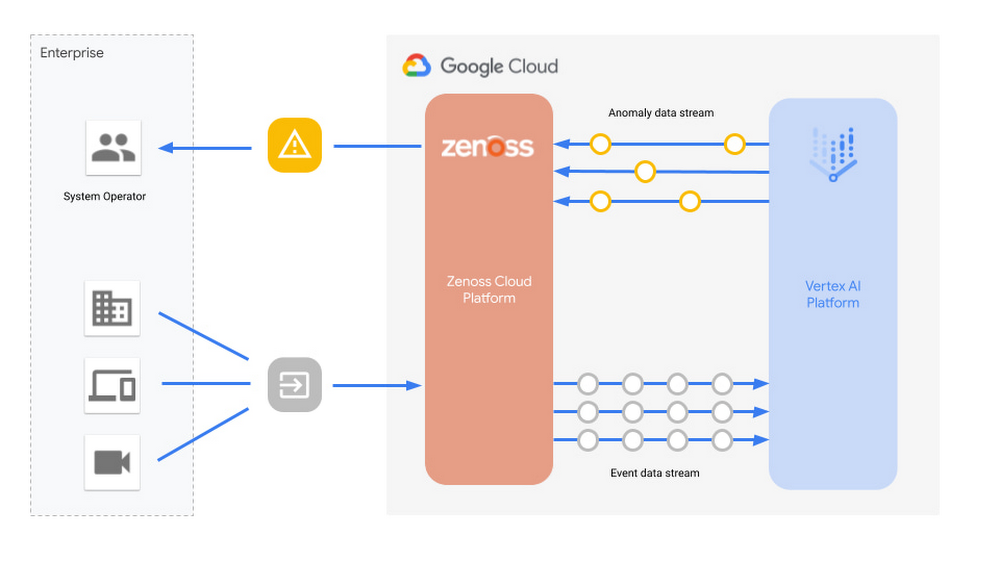
Google Cloud is using MLOps in Monitoring and Observability to provide a better experience for its customers. It has developed various tools and techniques to automate the machine learning lifecycle, from building to monitoring.
TensorFlow Extended (TFX)
Google Cloud’s TFX is an end-to-end platform for deploying production-ready machine learning models. TFX provides a framework for building and deploying machine learning models, including data preprocessing, model training, and model serving. It also includes tools for monitoring and debugging models in production.
Kubeflow
Kubeflow is an open-source platform for running machine learning workflows on Kubernetes. It provides a scalable and portable platform for deploying machine learning models in production. Kubeflow includes various tools and components for building, training, and deploying models, as well as monitoring and observability.
Cloud Monitoring
Google Cloud’s Cloud Monitoring provides a centralized platform for monitoring and observability. It includes various tools and features for monitoring the performance and health of a system, including logs, metrics, and traces. Cloud Monitoring also includes tools for alerting and debugging issues in real-time.
Cloud Trace
Cloud Trace is a tool that provides end-to-end visibility into the performance of applications running on Google Cloud. It allows developers to identify performance bottlenecks and optimize application performance. Cloud Trace includes various features for tracing requests across multiple services and identifying latency issues.
Conclusion
Google Cloud’s use of MLOps in Monitoring and Observability is a game-changer for the industry. It provides a scalable and reliable platform for building, deploying, and monitoring machine learning models in production. With Google Cloud’s tools and techniques, developers can focus on building better machine learning models, while the platform takes care of the rest.
