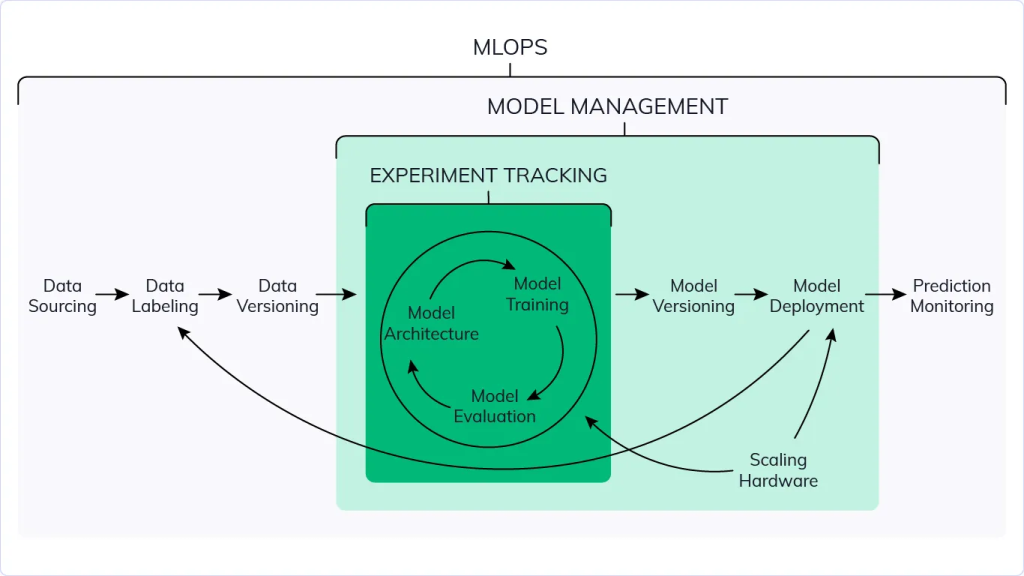
Are you curious about how MLOps works? In this article, we’ll dive deep into the complex world of Machine Learning Operations (MLOps) and explore its many intricacies. From its origins to its current state, we’ll cover everything you need to know about MLOps and how it can benefit your business.
What is MLOps?
MLOps is a term used to describe the process of managing and deploying machine learning models in production environments. It is a combination of machine learning (ML) and DevOps practices, which focuses on the collaboration of data scientists, machine learning engineers, and operations professionals to streamline the machine learning workflow.
At its core, MLOps is all about making it easier to deploy machine learning models into production environments. This means creating a pipeline that can efficiently move models from development to testing to production. The goal is to automate as much of this process as possible, reducing the risk of errors and improving efficiency.
The Evolution of MLOps
MLOps has evolved over the years, with new technologies and practices emerging to improve the overall process. In the early days of machine learning, the process was often manual and time-consuming. Data scientists would spend weeks or even months developing models, only to discover that they didn’t work as expected in a production environment.
The introduction of DevOps practices helped to streamline the process, making it easier to move models from development to production. However, this was only the beginning. As machine learning became more mainstream, a new set of challenges emerged.
Today, MLOps is a rapidly evolving field, with new tools and technologies being developed all the time. From automated model selection to hyperparameter tuning, there are many ways to improve the machine learning workflow and make it more efficient.
The Benefits of MLOps
So, why is MLOps so important? The answer lies in its many benefits. By implementing MLOps practices, you can:
- Improve efficiency: By automating many of the manual processes involved in machine learning, you can speed up the workflow and reduce the risk of errors.
- Reduce costs: By streamlining the machine learning workflow, you can reduce the amount of time and resources required to develop and deploy models.
- Improve accuracy: By automating testing and validation, you can ensure that your models are accurate and reliable.
- Increase scalability: By creating a pipeline that can handle large volumes of data and models, you can easily scale your machine learning operations as your business grows.
The Key Components of MLOps
To understand how MLOps works, it’s important to understand its key components. These include:
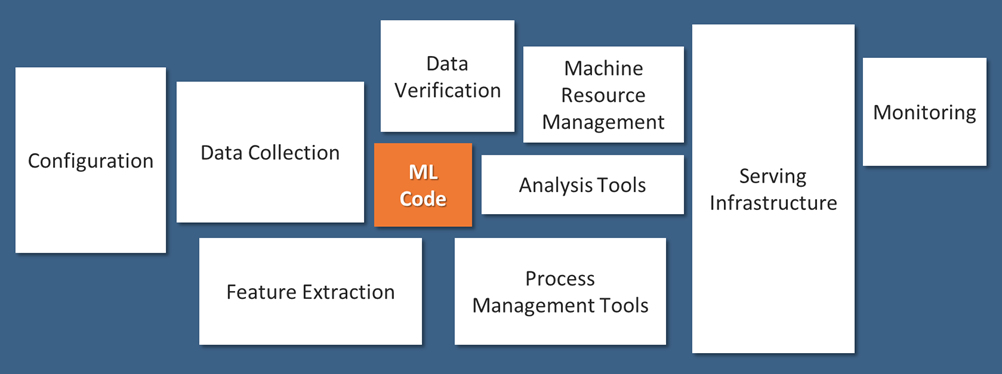
Data Management
Data management is a critical component of MLOps. It involves collecting, storing, and preparing data for use in machine learning models. This includes data cleaning, feature engineering, and data transformation.
Training
Training is the process of building and optimizing machine learning models. This involves selecting the right algorithms, tuning hyperparameters, and validating the models to ensure they are accurate and reliable.
Deployment
Deployment is the process of moving machine learning models from development to production environments. This includes creating a pipeline that can handle large volumes of data and models, as well as automating testing and validation to ensure that the models are accurate and reliable.
Monitoring
Monitoring is the process of tracking the performance of machine learning models in production environments. This includes monitoring accuracy, detecting anomalies, and identifying opportunities for improvement.
MLOps Tools and Technologies
There are many tools and technologies available to help you implement MLOps practices. Some of the most popular include:
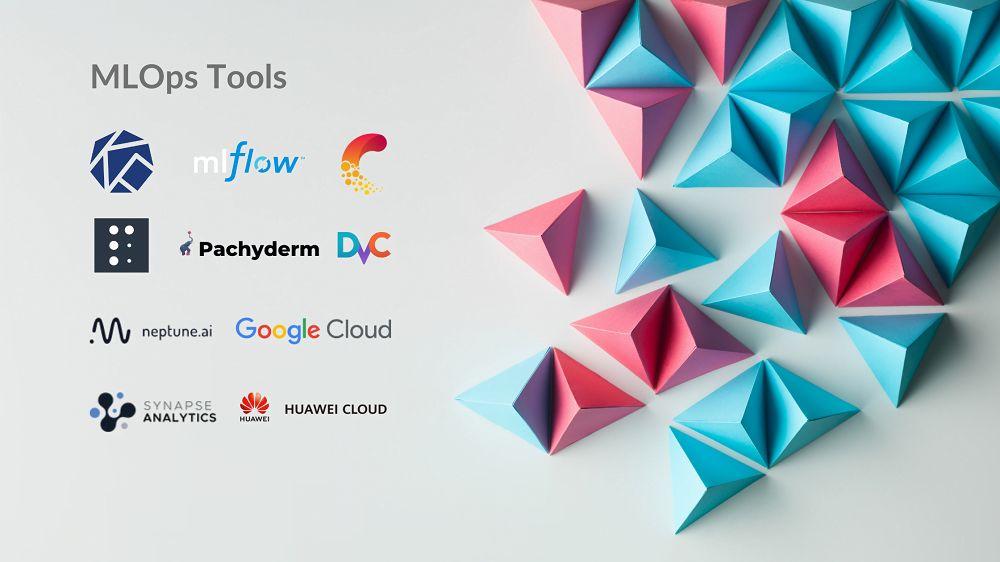
- Kubeflow: An open-source platform for running machine learning workflows on Kubernetes.
- MLflow: An open-source platform for managing the end-to-end machine learning lifecycle.
- TensorFlow Extended (TFX): An end-to-end platform for deploying TensorFlow models in production environments.
- Amazon SageMaker: A fully managed service for building, training, and deploying machine learning models.
Conclusion
MLOps is a complex and rapidly evolving field, but it’s also an essential one. By implementing MLOps practices in your business, you can improve efficiency, reduce costs, and increase scalability. With the right tools and technologies, you can streamline the machine learning workflow and make it easier to deploy models in production environments. So, if you’re looking to take your machine learning operations to the next level, consider implementing MLOps practices today.
