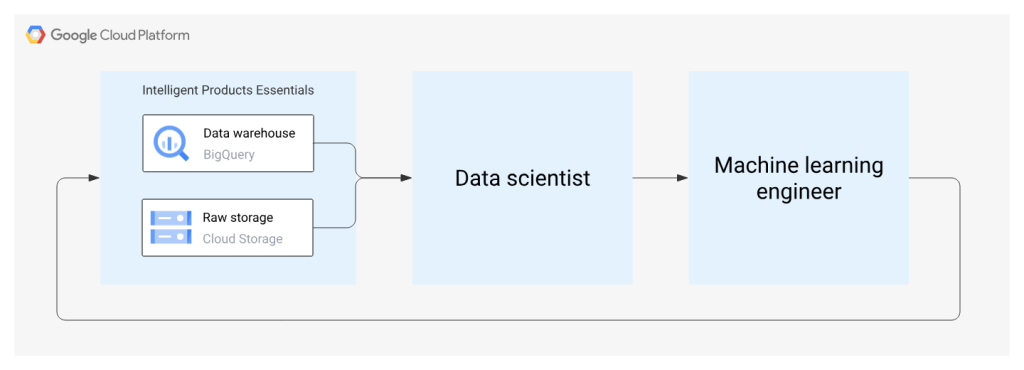
Are you looking to implement MLOps on cloud but not sure where to start? Don’t worry, you’re not alone. MLOps is a relatively new concept that combines machine learning (ML) and operations (Ops) to help organizations streamline their ML workflows. In this article, we’ll explore what MLOps is, why it’s important, and how you can implement it on cloud. So, let’s get started!
What is MLOps?
MLOps is the practice of applying DevOps principles to the machine learning lifecycle. It involves automating the entire ML workflow, from data collection to model deployment, to ensure consistency, reproducibility, and scalability. MLOps also helps teams collaborate effectively, monitor and manage ML models in production, and continuously improve their performance.
Why is MLOps Important?
MLOps is important because it addresses some of the biggest challenges in ML, such as:
- Data management: ML models require large amounts of high-quality data, which can be difficult to collect, label, and store.
- Model development: ML models are complex and require significant experimentation to achieve optimal performance.
- Model deployment: ML models need to be integrated with existing systems and monitored for performance and errors.
MLOps helps organizations overcome these challenges by providing a standardized, automated, and collaborative approach to ML development and deployment.
How to Implement MLOps on Cloud?
Implementing MLOps on cloud involves several steps, which are:
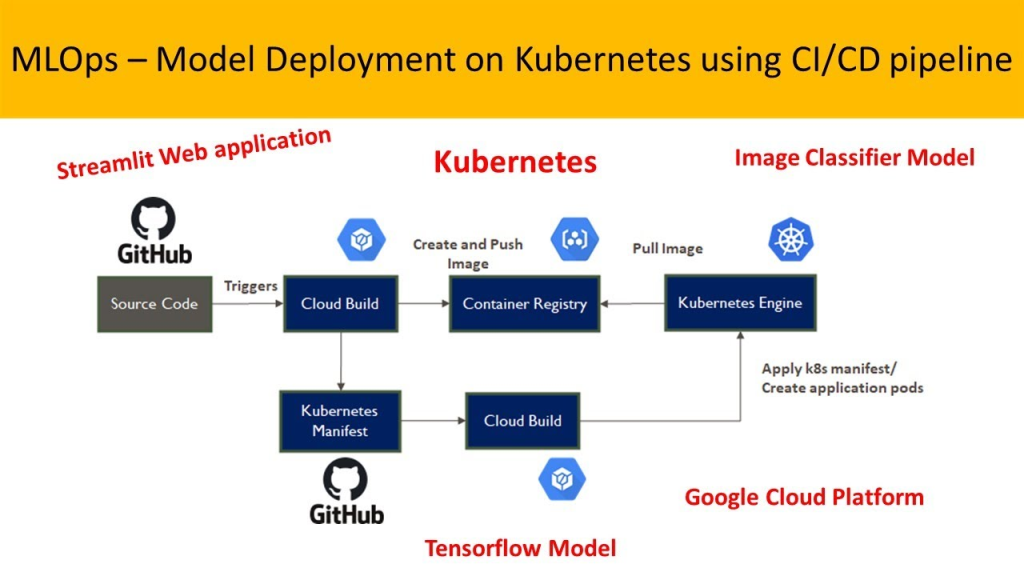
Step 1: Define Your ML Workflow
The first step in implementing MLOps on cloud is to define your ML workflow. This includes identifying the different stages of your ML project, such as data collection, preprocessing, feature engineering, model training, and model evaluation. Once you’ve defined your workflow, you can start automating it using cloud services.
Step 2: Choose Your Cloud Platform
The next step is to choose your cloud platform. There are several cloud platforms available, such as Amazon Web Services (AWS), Microsoft Azure, and Google Cloud Platform (GCP). Each platform offers different ML services and tools, so you need to choose the one that best fits your needs and budget.
Step 3: Collect and Store Data
The third step is to collect and store your data. You can use cloud services such as Amazon S3, Azure Blob Storage, and GCP Cloud Storage to store your data securely and cost-effectively. You can also use cloud services such as AWS Glue, Azure Data Factory, and GCP Dataflow to automate data collection and preprocessing.
Step 4: Train and Evaluate Models
The fourth step is to train and evaluate your models. You can use cloud services such as AWS SageMaker, Azure Machine Learning, and GCP AI Platform to train and evaluate your models at scale. These services also provide tools for hyperparameter tuning, model optimization, and model selection.
Step 5: Deploy and Monitor Models
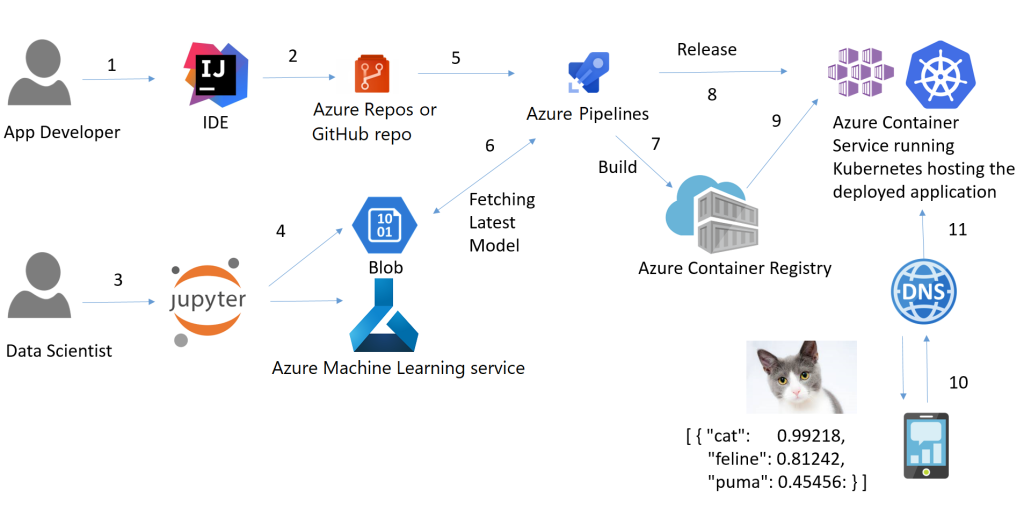
The fifth step is to deploy and monitor your models in production. You can use cloud services such as AWS Lambda, Azure Functions, and GCP Cloud Functions to deploy your models as APIs or serverless functions. You can also use cloud services such as AWS CloudWatch, Azure Monitor, and GCP Stackdriver to monitor your models for performance and errors.
Conclusion
Implementing MLOps on cloud can help organizations streamline their ML workflows, improve collaboration, and achieve better performance and scalability. By following the steps outlined in this article, you can implement MLOps on cloud and start reaping the benefits of this innovative approach to ML development and deployment. So, what are you waiting for? Start implementing MLOps on cloud today!
