Are you tired of manually monitoring your Machine Learning Operations (MLOps) systems? Do you wish there was an easier way to track your data and ensure your models are functioning properly? Look no further! In this article, we’ll cover everything you need to know about setting up monitoring MLOps.
What is MLOps?
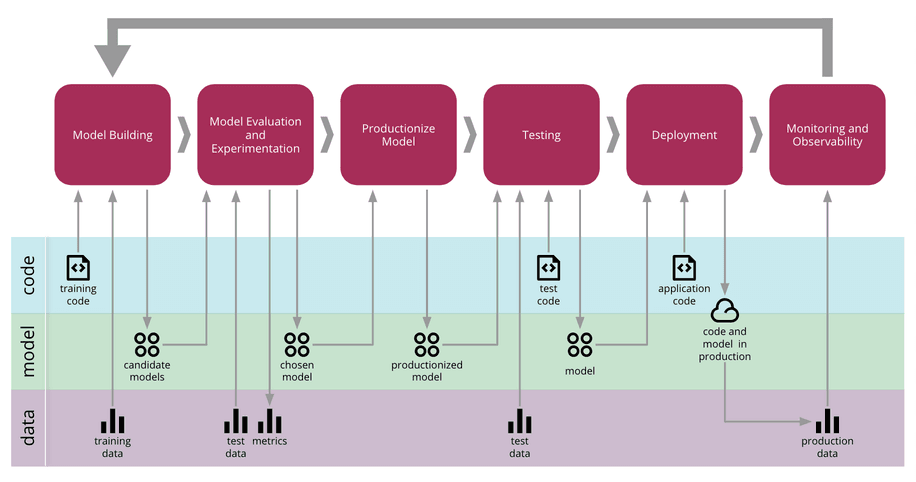
Before we dive into monitoring MLOps, let’s first define what it is. MLOps is the practice of applying DevOps principles to Machine Learning (ML) projects. It involves managing the lifecycle of ML models, from data preparation to deployment and beyond.
The Importance of Monitoring MLOps
Monitoring MLOps is crucial for ensuring the reliability and accuracy of your ML models. Without proper monitoring, you risk deploying models that are flawed or producing inaccurate results. Additionally, monitoring helps you identify and resolve issues quickly, leading to faster feedback loops and improved model performance.
Setting Up Monitoring MLOps
Now that we understand the importance of monitoring, let’s discuss how to set it up. There are several steps involved in this process:
Step 1: Define Your Metrics
The first step in setting up monitoring MLOps is to define your metrics. These are the key performance indicators (KPIs) that you will use to track your models’ performance. Examples of metrics include accuracy, precision, recall, and F1 score.
Step 2: Implement Data Logging
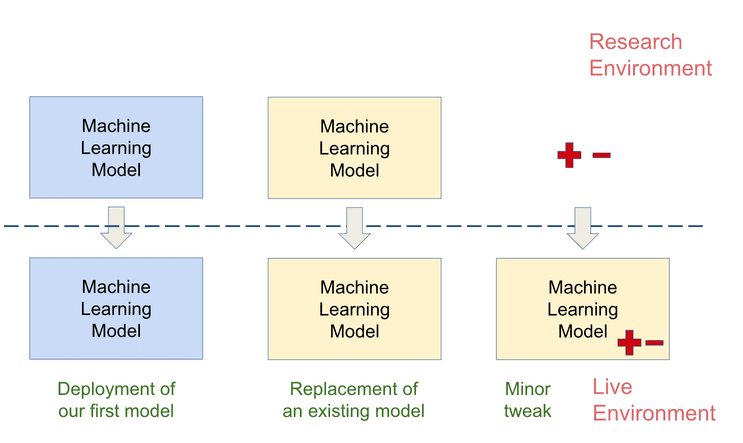
Once you have defined your metrics, you need to implement data logging. This involves capturing and storing data from your models, as well as any relevant metadata. There are several tools you can use for data logging, including Elasticsearch, Logstash, and Kibana.
Step 3: Set Up Alerts
After implementing data logging, you need to set up alerts. These are notifications that will be triggered when certain thresholds are exceeded. For example, you might set up an alert to notify you if the accuracy of your model drops below a certain level.
Step 4: Build Monitoring Dashboards
Finally, you need to build monitoring dashboards. These are visual representations of your metrics and alerts, which allow you to easily track the performance of your models. There are several tools you can use for building dashboards, including Grafana and Kibana.
Conclusion
In conclusion, setting up monitoring MLOps is crucial for ensuring the reliability and accuracy of your Machine Learning models. By following the steps outlined in this article, you can implement a robust monitoring system that will help you identify and resolve issues quickly, leading to faster feedback loops and improved model performance. So what are you waiting for? Start monitoring your MLOps today!
