Capacity management is an essential aspect of any organization’s success. It involves ensuring that the right resources are available at the right time to meet the needs of the business. However, traditional capacity management methods are no longer sufficient in today’s fast-paced business environment. This is where MLOps comes in. In this article, we’ll explore how to use MLOps for capacity management and why it’s essential in today’s business world.
What is MLOps?
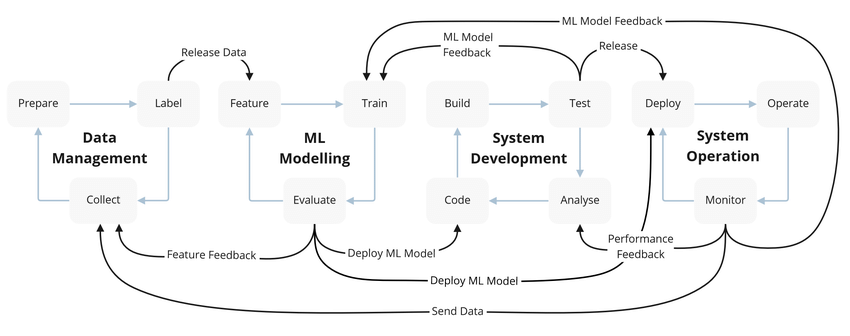
MLOps stands for Machine Learning Operations. It’s a cross-functional approach that combines software engineering and machine learning to create a seamless process for building, deploying, and managing machine learning models. MLOps is a set of best practices and tools that allow businesses to automate the development, deployment, and management of machine learning models.
Why is MLOps important for capacity management?
Capacity management is a complex process that requires a lot of data analysis and decision-making. MLOps can help organizations automate this process, making it more efficient and accurate. By using machine learning algorithms, MLOps can predict future demand and optimize resource allocation accordingly. This can help businesses save time and money while ensuring that they have the resources they need to meet customer demands.
How to use MLOps for capacity management?
Here are some steps businesses can take to use MLOps for capacity management:
Step 1: Identify the problem
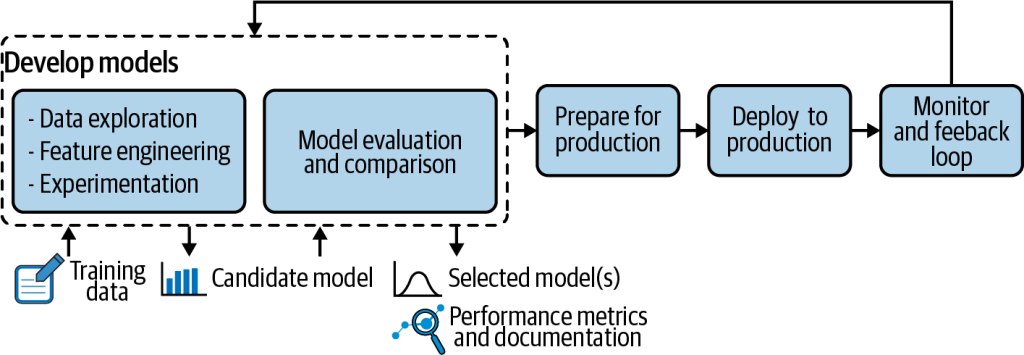
Before you can start using MLOps for capacity management, you need to identify the problem you’re trying to solve. This could be anything from predicting future demand to optimizing resource allocation.
Step 2: Gather data
Once you’ve identified the problem, you need to gather the data you’ll need to create a machine learning model. This data should include historical data as well as any other relevant data points that could impact future demand.
Step 3: Train the model
Once you have the data you need, you can start training your machine learning model. This involves using algorithms to analyze the data and create predictive models.
Step 4: Deploy the model
Once your model is trained, you can deploy it to your production environment. This will allow you to start using it to predict future demand and optimize resource allocation.
Step 5: Monitor and refine
Finally, it’s essential to monitor your model’s performance and refine it as needed. This will help ensure that your predictions remain accurate and that your resource allocation remains optimized.
Conclusion
Capacity management is essential for any organization’s success. However, traditional capacity management methods are no longer sufficient in today’s fast-paced business environment. MLOps offers a powerful solution to this problem, enabling businesses to automate the development, deployment, and management of machine learning models. By following the steps outlined above, businesses can use MLOps for capacity management and ensure that they have the resources they need to meet customer demand.
