Are you tired of manually monitoring your machine learning models’ performance? Do you want to automate the process and save time? Look no further than MLOps.
MLOps, or Machine Learning Operations, is the process of managing the entire lifecycle of machine learning models. This includes everything from data preparation to deployment and monitoring. By implementing MLOps, you can streamline your workflow and ensure that your models are performing at their best.
But how exactly can you use MLOps for performance monitoring? Let’s dive in.
What is Performance Monitoring in MLOps?
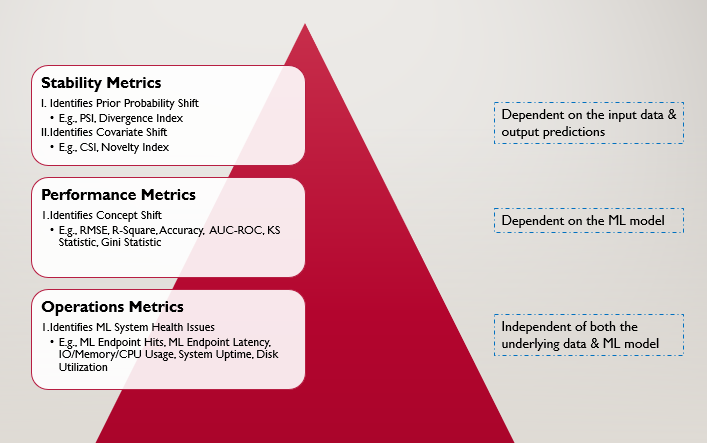
Performance monitoring is the process of tracking your machine learning models’ performance in real-time. This includes monitoring metrics such as accuracy, precision, and recall. By monitoring these metrics, you can identify when your models are underperforming and take corrective action.
In traditional software development, performance monitoring is often done through logging and alerts. However, machine learning models require a more specialized approach.
Implementing Performance Monitoring in MLOps
Implementing performance monitoring in MLOps involves several key steps:
Step 1: Define Metrics
The first step is to define the metrics you want to monitor. This will depend on the specific problem you are trying to solve and the type of model you are using. Some common metrics include accuracy, precision, recall, F1 score, and AUC-ROC.
Step 2: Instrument Your Code
Once you have defined your metrics, you need to instrument your code to capture them. This involves adding code to your model that records the relevant metrics during training and inference.
Step 3: Set Up Monitoring Infrastructure
Next, you need to set up the infrastructure to monitor your metrics. This may involve using a monitoring service like Prometheus or Grafana, or building your own monitoring system.
Step 4: Alerting
Finally, you need to set up alerting so that you are notified when your metrics fall below a certain threshold. This can be done through email, Slack, or other messaging services.
Benefits of Performance Monitoring in MLOps
Implementing performance monitoring in MLOps offers several benefits:
Early Detection of Problems
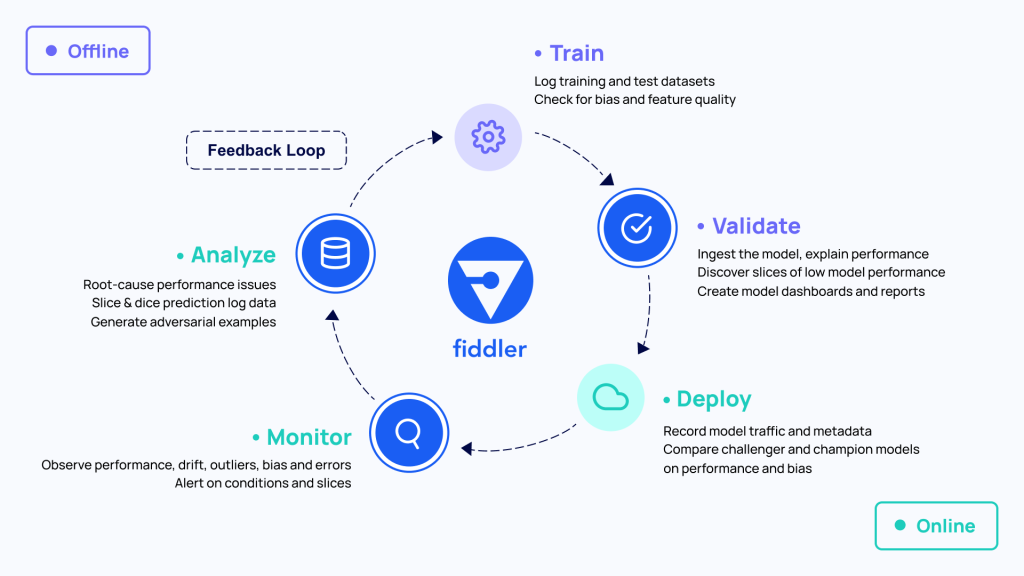
By monitoring your metrics in real-time, you can detect problems with your models early on. This allows you to take corrective action before the problem becomes a major issue.
Improved Model Performance
Performance monitoring allows you to identify areas where your models are underperforming and make improvements. This can lead to better overall performance and more accurate predictions.
Better Understanding of Model Behavior
By monitoring your metrics, you can gain a better understanding of how your models behave in different situations. This can help you identify areas for improvement and optimize your models for specific use cases.
Conclusion
Performance monitoring is a critical component of MLOps. By implementing performance monitoring, you can ensure that your machine learning models are performing at their best and make improvements when necessary. With the right tools and infrastructure in place, you can automate the process and save time while improving your models’ accuracy and performance.
