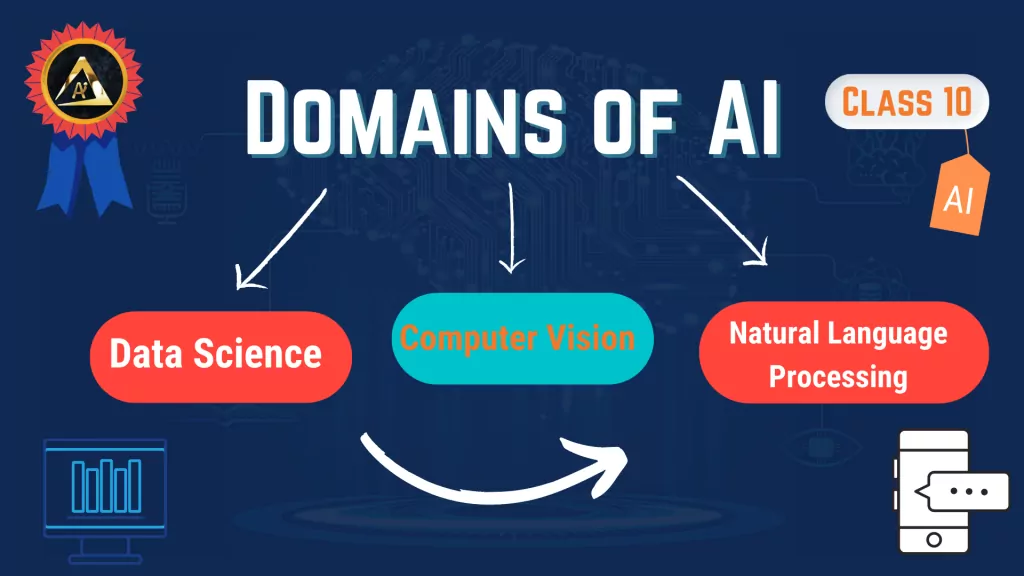
Artificial Intelligence (AI) is a fascinating and complex field that has been steadily advancing over the past few decades. It has become an essential part of modern technology, and its applications are numerous. However, for many people, the concept of AI can be difficult to grasp, and it can be challenging to understand how it works. In this article, we will explore the three key elements of AI and try to demystify this fascinating technology.
Introduction
Before we delve into the three key elements of AI, it’s essential to understand what AI is and how it works. At its core, AI is a technology that enables machines to perform tasks that would typically require human intelligence. It uses algorithms and data to learn and make decisions based on that learning. The goal of AI is to create machines that can simulate human intelligence, including things like reasoning, understanding natural language, and learning from experience.
Key Element 1: Machine Learning
One of the key elements of AI is machine learning. Machine learning is a type of AI that enables machines to learn from data without being explicitly programmed. It uses algorithms that can identify patterns and insights in data and use that information to make decisions. The more data the machine has access to, the better it becomes at making predictions and decisions.
Machine learning algorithms can be categorized into two types: supervised and unsupervised learning. In supervised learning, the machine is given labeled data, which means that the data is already categorized or classified. The machine uses this data to learn how to categorize or classify new data. In unsupervised learning, the machine is given unlabeled data, and it must identify patterns and relationships on its own.
Key Element 2: Natural Language Processing (NLP)
Another key element of AI is natural language processing (NLP). NLP is a type of AI that enables machines to understand and interpret human language. It allows machines to read, write, and communicate in human languages like English, French, or Mandarin.
NLP uses a combination of machine learning algorithms and linguistic rules to understand human language. It can be used for a variety of applications, including chatbots, voice assistants, and language translation. NLP is essential because it enables machines to interact with humans in a way that is natural and intuitive.
Key Element 3: Computer Vision

The third key element of AI is computer vision. Computer vision is a type of AI that enables machines to interpret and understand visual data from the world around them. It uses a combination of machine learning algorithms and image processing techniques to analyze and interpret images and videos.
Computer vision is used in a wide range of applications, including self-driving cars, surveillance systems, and facial recognition technology. It’s an essential component of AI because it enables machines to interact with and understand the world in a way that is similar to humans.
Conclusion
AI is a complex and fascinating field that has the potential to transform the world we live in. In this article, we’ve explored the three key elements of AI: machine learning, natural language processing, and computer vision. While these are by no means the only elements of AI, they are essential components that enable machines to simulate human intelligence. By understanding these key elements, we can begin to demystify AI and appreciate the incredible technology that is shaping our world.
