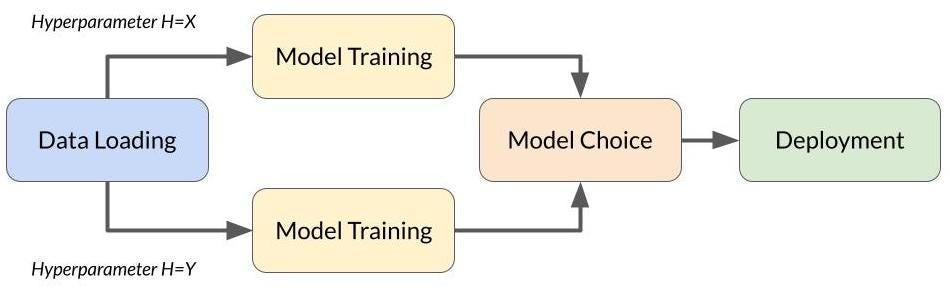
Are you confused about the difference between MLOps and NoOps? Don’t worry, you’re not alone. These terms are often used interchangeably, but there are some key differences that are important to understand. In this blog post, we’ll explore what MLOps and NoOps are, the differences between them, and why they matter.
What is MLOps?
MLOps, short for Machine Learning Operations, is a set of practices that aim to streamline the development and deployment of machine learning models. It’s a combination of software engineering, data science, and operations management. The goal of MLOps is to make it easier for data scientists and engineers to collaborate and deploy machine learning models into production.
MLOps includes a wide range of activities, such as:
- Data preparation and cleaning
- Model development and training
- Model testing and validation
- Model deployment and monitoring
- Continuous integration and delivery
- Infrastructure management
MLOps is essential for organizations that rely on machine learning models to make decisions or automate processes. Without MLOps, it can be challenging to manage and deploy models at scale.
What is NoOps?
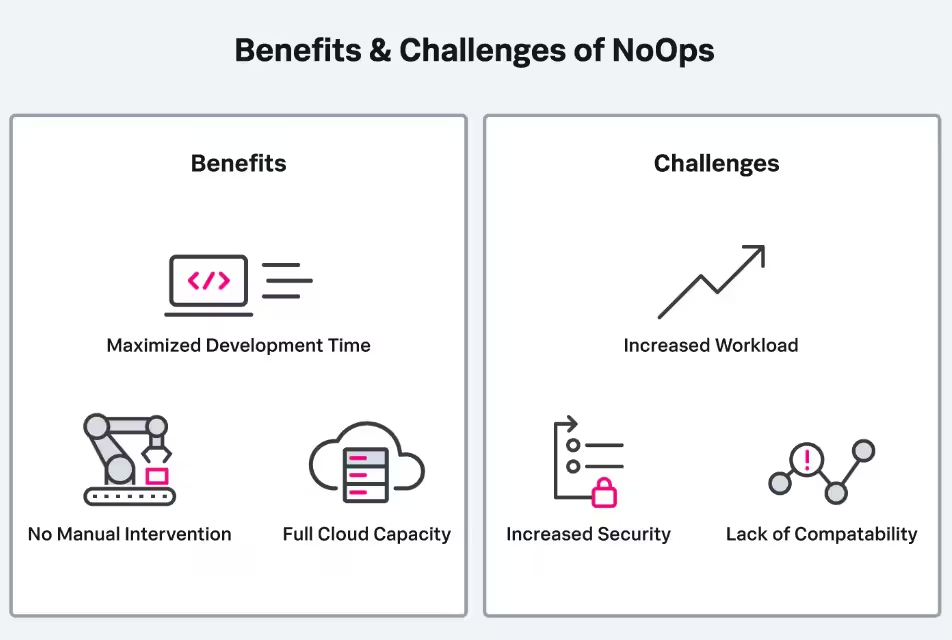
NoOps, short for No Operations, is a software development approach that aims to minimize the need for operations management. The goal of NoOps is to automate as much of the software development process as possible, so developers can focus on writing code.
In a NoOps environment, developers are responsible for managing the entire software development lifecycle, from writing code to deploying and monitoring applications. This is made possible through the use of automation tools and cloud infrastructure.
NoOps is often associated with serverless computing, where developers write code and deploy it into a cloud environment without worrying about the underlying infrastructure. This allows for faster development and deployment cycles, as developers can focus on writing code instead of managing servers.
What are the Differences Between MLOps and NoOps?
While MLOps and NoOps share some similarities, there are some key differences between the two approaches.
The main difference is that MLOps is focused on machine learning, while NoOps is focused on software development in general. MLOps includes a set of practices that are specific to machine learning, such as data preparation, model training, and validation. NoOps, on the other hand, is focused on automating the entire software development lifecycle, from code to deployment.
Another difference is that MLOps requires specialized skills and expertise in machine learning, data science, and operations management. NoOps, while still requiring technical skills, is more focused on automation and cloud infrastructure.
Finally, MLOps is essential for organizations that rely on machine learning models, while NoOps is more general and can be applied to any software development project.
Why Do MLOps and NoOps Matter?
MLOps and NoOps are both important approaches for modern software development. They allow organizations to streamline the development and deployment of software, which can lead to faster release cycles, better collaboration between teams, and more efficient use of resources.
For organizations that rely on machine learning models, MLOps is essential for managing and deploying models at scale. Without MLOps, it can be challenging to ensure that models are accurate and up-to-date.
NoOps, on the other hand, is important for any organization that wants to streamline the software development process and reduce the need for operations management. By automating tasks and leveraging cloud infrastructure, developers can focus on writing code and delivering value to customers.
Conclusion
In conclusion, MLOps and NoOps are two important approaches for modern software development. While they share some similarities, they are focused on different aspects of software development. MLOps is focused on machine learning and requires specialized expertise, while NoOps is focused on automation and cloud infrastructure.
By understanding the differences between MLOps and NoOps, organizations can choose the approach that best fits their needs and goals. Whether you’re building machine learning models or developing software applications, these approaches can help you streamline the development and deployment process and deliver value to customers faster.
