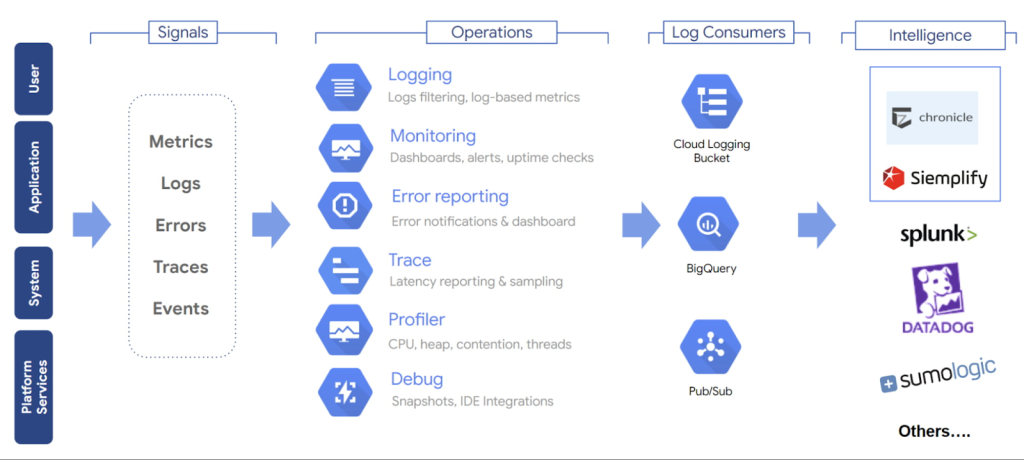
Have you ever wondered how Google Cloud effectively monitors and observes their vast network of services and applications? The answer lies in their implementation of dataops. In this article, we’ll explore what dataops is, how it works, and how Google Cloud utilizes it to ensure seamless monitoring and observability.
What is Dataops?
Dataops is a methodology that combines data engineering and operations to streamline the entire data lifecycle, from development to deployment. It’s a collaborative approach that emphasizes automation, continuous integration, and continuous delivery. In simple terms, dataops is all about improving the speed, accuracy, and scalability of data operations by leveraging cutting-edge technologies and best practices.
How Does Dataops Work?
Dataops is built on a set of core principles that enable teams to automate and optimize their data workflows. These principles include:
- Automation: Automating manual tasks reduces errors and speeds up the deployment process.
- Collaboration: Collaboration between teams ensures that everyone is working towards the same goals.
- Agility: Being agile allows teams to quickly adapt to changes in the data landscape.
- Continuous Integration and Delivery: Continuous integration and delivery ensure that code is tested and deployed in a consistent and reliable manner.
- Data Governance: Data governance ensures that data is accurate, consistent, and compliant with regulations.
By following these principles, dataops teams can streamline their workflows, reduce errors, and deliver data-driven insights faster than ever before.
How Google Cloud Utilizes Dataops
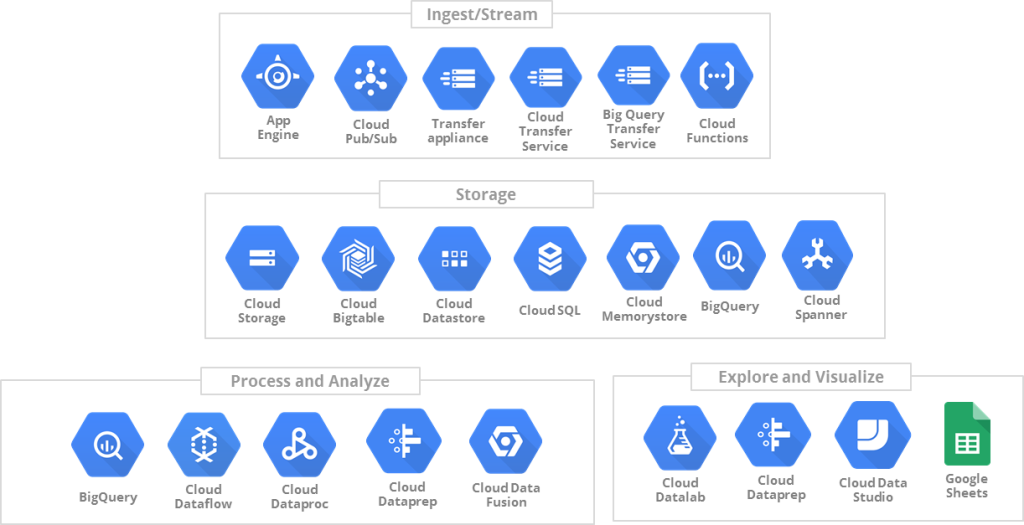
Google Cloud leverages dataops to ensure that their monitoring and observability systems are running smoothly. They use a variety of tools and techniques to achieve this, including:
1. Continuous Integration and Delivery
Google Cloud uses continuous integration and delivery to automate the deployment of new monitoring and observability features. This allows them to test new features quickly and efficiently and ensures that they are delivered to customers in a timely manner.
2. Automation
Google Cloud uses automation to reduce manual error-prone tasks and ensure that their monitoring and observability systems are running smoothly. For example, they use machine learning algorithms to detect anomalies and predict potential issues before they occur.
3. Collaboration
Google Cloud fosters collaboration between teams to ensure that everyone is working towards the same goals. This ensures that monitoring and observability systems are designed and maintained with the end customer in mind.
4. Data Governance
Google Cloud prioritizes data governance to ensure that their monitoring and observability systems are accurate, consistent, and compliant with regulations. This ensures that customers can trust the data they receive from Google Cloud’s monitoring and observability systems.
Conclusion
In conclusion, dataops is a powerful methodology that can help organizations streamline their data workflows and deliver insights faster than ever before. By leveraging automation, collaboration, agility, and continuous integration and delivery, Google Cloud is able to ensure that their monitoring and observability systems are running smoothly and delivering value to their customers. Whether you’re a small startup or a large enterprise, dataops can help you achieve your data-driven goals and stay ahead of the competition.
