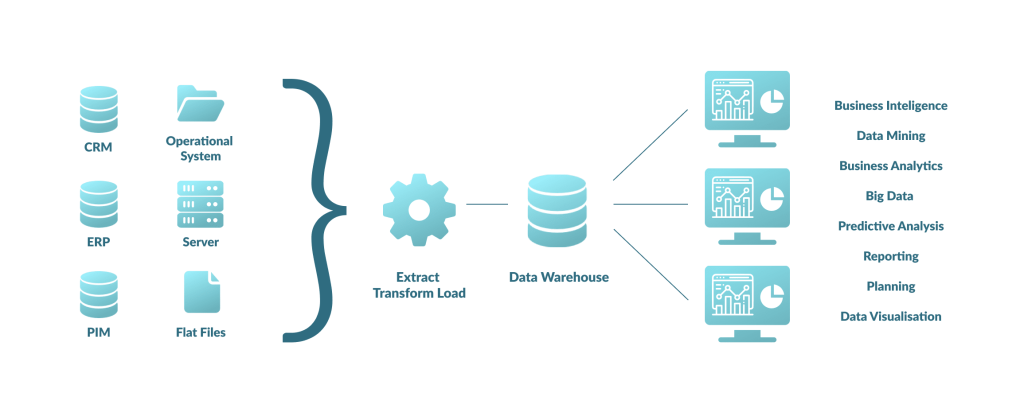
Are you tired of managing your business operations by guesswork? Do you want to make informed decisions that can help your business grow? Look no further than DataOps!
DataOps is a modern approach to data management that can help businesses streamline their operations and improve decision-making. In this article, we’ll explore the basics of DataOps, its benefits, and how you can implement it in your business.
What is DataOps?
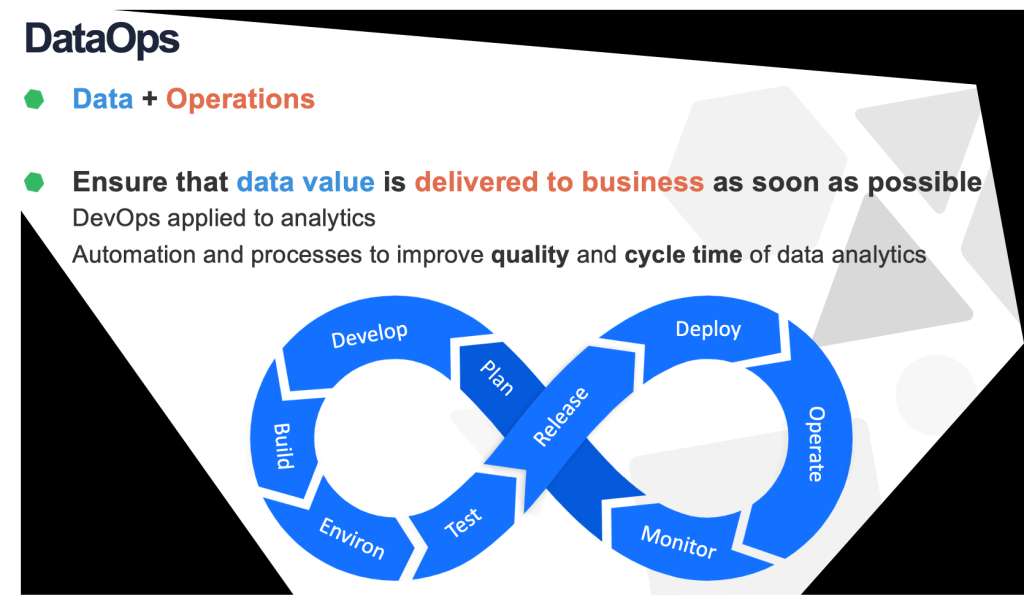
DataOps is a methodology that combines the principles of Agile, DevOps, and Lean to manage data operations. It emphasizes collaboration, automation, and continuous delivery of data to support business operations.
DataOps is not just a set of tools or technologies. It’s a culture that promotes teamwork, transparency, and continuous improvement. It involves everyone in the organization who interacts with data, from data engineers to business analysts to data scientists.
Benefits of DataOps
Implementing DataOps in your business operations can bring several benefits, including:
Faster Delivery of Insights
DataOps enables faster delivery of data insights by automating data pipelines and eliminating manual processes. This means you can make timely decisions based on accurate data.
Improved Data Quality
DataOps emphasizes data quality throughout the data lifecycle. This means you can trust the data you are using for decision-making and avoid costly errors.
Better Collaboration
DataOps promotes collaboration between different teams involved in data operations. This means you can break down silos and work together to achieve common goals.
Reduced Costs
DataOps can help reduce costs by eliminating manual processes, improving efficiency, and reducing errors. This means you can allocate resources more effectively and focus on value-added activities.
How to Implement DataOps in Your Business
Implementing DataOps in your business operations requires a shift in mindset and culture. Here are some steps to get started:
Step 1: Identify Your Goals
Identify the business goals you want to achieve with DataOps. This could be anything from improving data quality to reducing costs to delivering insights faster.
Step 2: Assess Your Data Infrastructure
Assess your data infrastructure to identify gaps and areas for improvement. This could involve reviewing your data architecture, data pipelines, data governance, and data security.
Step 3: Build a DataOps Team
Build a cross-functional DataOps team with members from different departments, including data engineering, data science, and business operations. This team will be responsible for implementing and managing DataOps in your organization.
Step 4: Define DataOps Processes
Define DataOps processes that align with your business goals and data infrastructure. This could involve developing data pipelines, automating data processes, and establishing data quality standards.
Step 5: Implement DataOps Tools
Implement DataOps tools that support your DataOps processes. This could include data integration tools, data quality tools, data visualization tools, and data governance tools.
Step 6: Monitor and Improve
Monitor your DataOps processes and infrastructure to identify areas for improvement. Use feedback loops and continuous improvement to refine your DataOps practices and achieve your business goals.
Final Thoughts
DataOps is a powerful methodology that can help businesses improve their operations and decision-making. By promoting collaboration, automation, and continuous delivery of data, DataOps can help businesses achieve their goals faster and more efficiently.
Implementing DataOps requires a shift in mindset and culture, but the benefits are worth it. So why not start today and take your business operations to the next level with DataOps?
