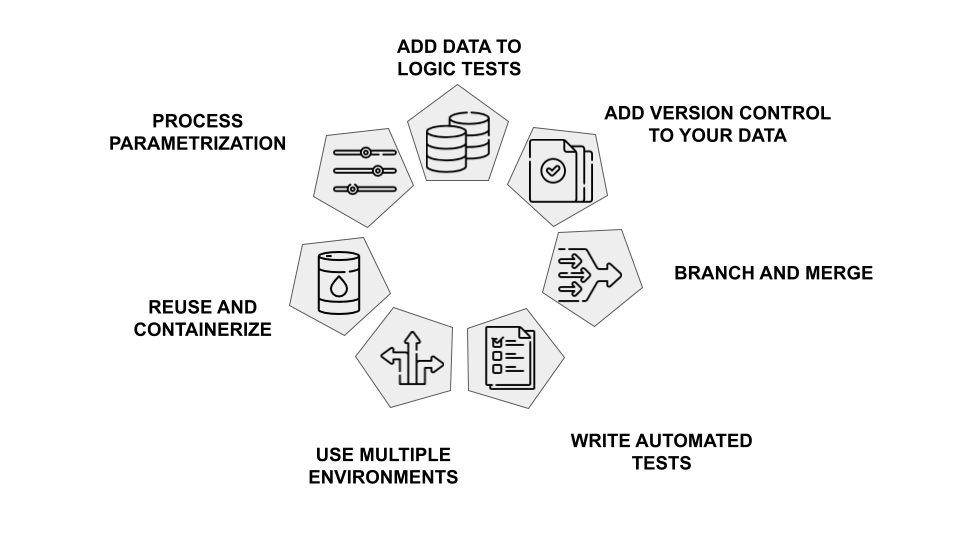
Are you tired of dealing with the tedious and time-consuming tasks of managing your data center operations? Well, have no fear, because dataops is here to save the day! With dataops, you can streamline your data center operations and improve efficiency, all while reducing costs and improving your overall bottom line. But first, let’s dive into what dataops actually is and how it can benefit your organization.
What is Dataops?
Dataops is a methodology that combines data management with DevOps practices to streamline and automate data center operations. This approach emphasizes collaboration and communication between teams, enabling faster deployment of data-driven applications and services. In simpler terms, dataops is all about using automation and collaboration to make data center operations more efficient and effective.
Benefits of Using Dataops
Now that we know what dataops is, let’s take a closer look at the benefits it can provide for your organization.
Improved Efficiency
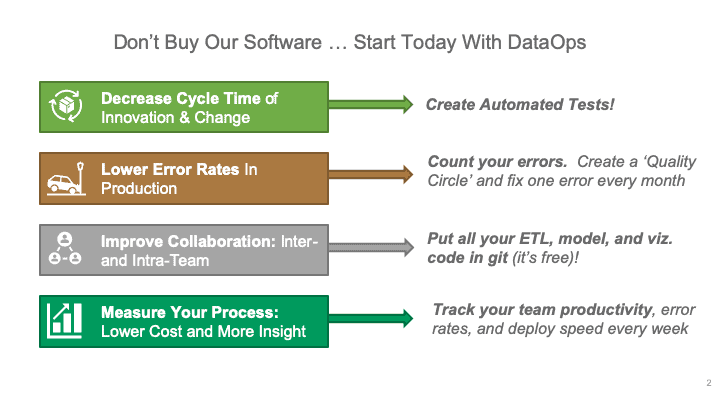
Dataops enables data center teams to automate repetitive tasks and streamline processes, freeing up time to focus on more valuable tasks. This can lead to faster deployment of applications and services, improved data quality, and reduced operational costs.
Better Collaboration
By breaking down silos and encouraging collaboration between teams, dataops can help improve communication and reduce errors. This can lead to a more efficient and effective data center operation, with less downtime and fewer mistakes.
Increased Agility
Dataops enables teams to respond quickly to changing business needs by providing a more agile and flexible approach to data center operations. This can help organizations stay ahead of the competition and adapt to changing market conditions.
How to Implement Dataops
Now that we’ve covered the benefits of using dataops, let’s take a look at how you can implement it in your organization.
Step 1: Define Your Goals
Before implementing dataops, it’s important to define your goals and objectives. What are you hoping to achieve with this approach? What problems are you trying to solve? Once you have a clear understanding of your goals, you can begin to develop a plan to achieve them.
Step 2: Assess Your Current State
Next, you’ll need to assess your current data center operations to determine where dataops can be most effective. This may involve analyzing your existing processes, identifying bottlenecks, and assessing the skills and resources of your team.
Step 3: Develop a Dataops Strategy
With your goals and current state in mind, it’s time to develop a dataops strategy. This may involve identifying the tools and technologies you’ll need, developing new processes, and defining roles and responsibilities for your team.
Step 4: Implement Your Strategy
Once you’ve developed your dataops strategy, it’s time to put it into action. This may involve training your team on new processes and tools, implementing automation and collaboration tools, and establishing new workflows.
Step 5: Continuous Improvement
Finally, it’s important to continuously monitor and improve your dataops approach. This may involve gathering feedback from your team, analyzing data to identify areas for improvement, and making adjustments to your processes and tools as needed.
Conclusion
Dataops can be a powerful tool for improving the efficiency and effectiveness of your data center operations. By combining data management with DevOps practices, you can streamline processes, reduce costs, and improve the overall bottom line of your organization. So why not give dataops a try and see how it can benefit your organization today?
