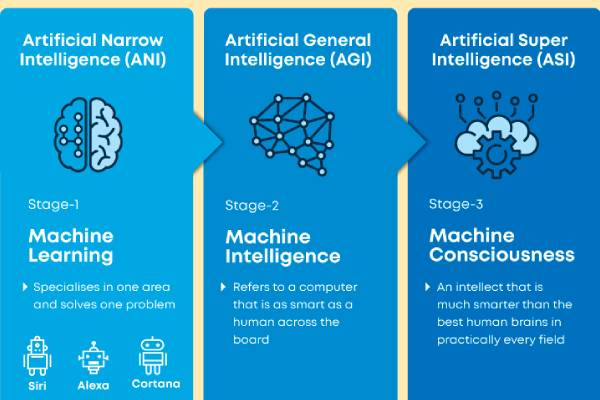
Artificial intelligence (AI) has become an increasingly popular topic in recent years. The technology has the potential to revolutionize the way we live and work, and its applications span a wide range of industries. However, AI is not a single entity but rather a collection of technologies that can be categorized into three distinct modes. In this article, we’ll explore the three modes of AI and their applications.
Mode 1: Reactive Machines
Reactive machines are the simplest form of AI and are designed to react to specific inputs without any memory or context. These machines operate in real-time and are programmed to respond to a specific set of conditions. They do not have the ability to learn from past experiences or make predictions about the future.
One example of a reactive machine is Deep Blue, the IBM chess-playing computer that famously beat world chess champion Garry Kasparov in 1997. Deep Blue was programmed with rules that allowed it to evaluate different moves and choose the best one based on the current state of the game.
Reactive machines are primarily used in situations where a quick and accurate response is required, such as in the control of industrial machinery or the management of traffic flow.
Mode 2: Limited Memory
Limited memory machines are designed to build on the capabilities of reactive machines by adding the ability to store and recall past experiences. These machines can use their memory to make decisions based on past events and can adapt their behavior over time.
An example of a limited memory machine is self-driving cars. These vehicles use a combination of reactive sensors and memory to navigate the roads safely. They build a map of their surroundings based on past experiences and use this information to make decisions in real-time.
Limited memory machines are useful in situations where context is important, such as in speech recognition or image recognition. They can learn and improve over time, making them more efficient and effective.
Mode 3: Theory of Mind
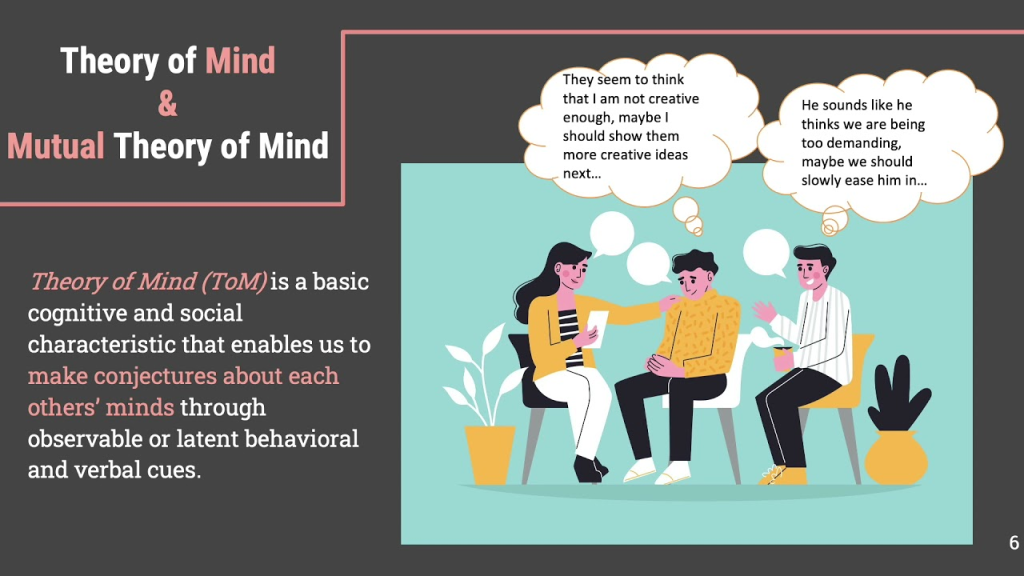
The most advanced form of AI is the theory of mind. These machines have the ability to understand the thoughts and emotions of other beings and use this understanding to make decisions.
Examples of theory of mind machines are currently limited, but research in this area is ongoing. The development of theory of mind machines could have significant implications for fields such as healthcare and education.
Conclusion
In conclusion, AI is not a single entity but rather a collection of technologies that can be categorized into three distinct modes: reactive machines, limited memory machines, and theory of mind machines. Each mode has its own set of applications and potential benefits, and research in this field is ongoing. As AI continues to evolve, it is likely that we will see even more advanced forms of this technology emerge.
