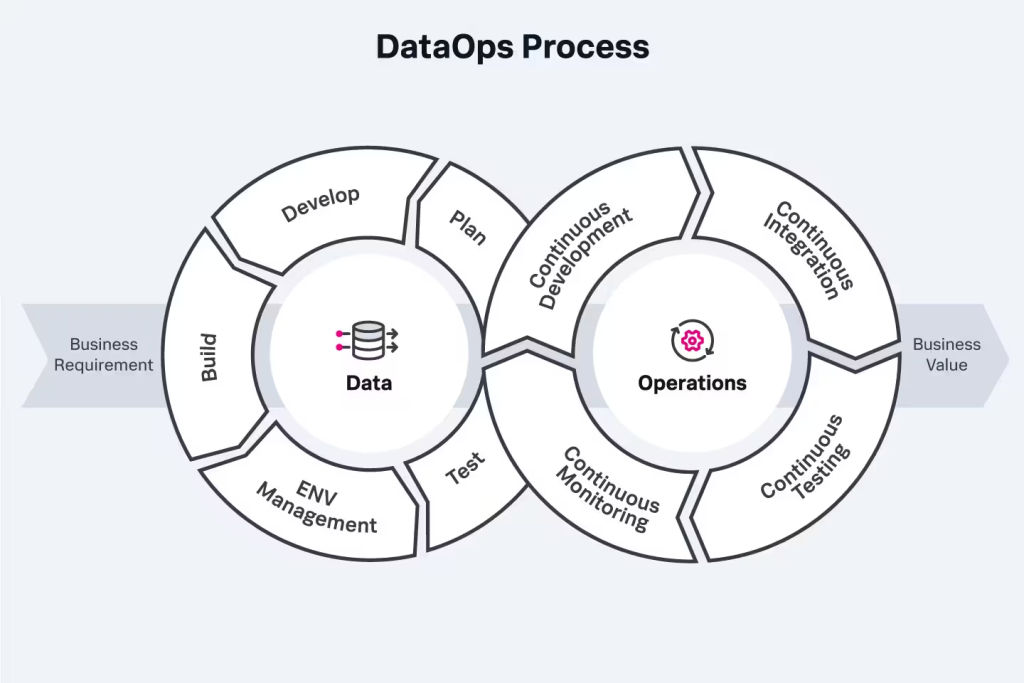
Are you tired of hearing about DevOps and wondering what Dataops is all about? Well, you’ve come to the right place! In this article, we’ll take a deep dive into the world of Dataops and what it means for businesses today.
What is Dataops?
Dataops is a methodology that focuses on the integration and automation of data pipelines. It’s all about streamlining the process of collecting, processing, and analyzing data and making it more efficient. Dataops is a relatively new term, and it’s often used interchangeably with Data Operations or Data Operations Management.
The Importance of Dataops
Data is everywhere, and it’s growing at an exponential rate. Companies are struggling to keep up with the sheer volume of data they collect, process, and analyze. Dataops is vital because it helps businesses manage their data more effectively. By automating processes and integrating data pipelines, companies can reduce errors, improve efficiency, and make better decisions.
The Dataops Process
The Dataops process is all about automation and integration. It involves several stages, including:
Data Collection
The first step in the Dataops process is data collection. This involves gathering data from various sources, such as databases, APIs, and sensors. Dataops focuses on automating this process to reduce errors and improve efficiency.
Data Processing
Once the data is collected, it needs to be processed. This involves cleaning, transforming, and enriching the data to make it more valuable. Dataops focuses on automating this process to reduce errors and improve efficiency.
Data Analysis
The next step in the Dataops process is data analysis. This involves using statistical and machine learning techniques to extract insights from the data. Dataops focuses on automating this process to reduce errors and improve efficiency.
Data Delivery
The final step in the Dataops process is data delivery. This involves delivering data to end-users, such as business analysts, data scientists, and decision-makers. Dataops focuses on automating this process to reduce errors and improve efficiency.
The Benefits of Dataops
Dataops offers many benefits to businesses, including:
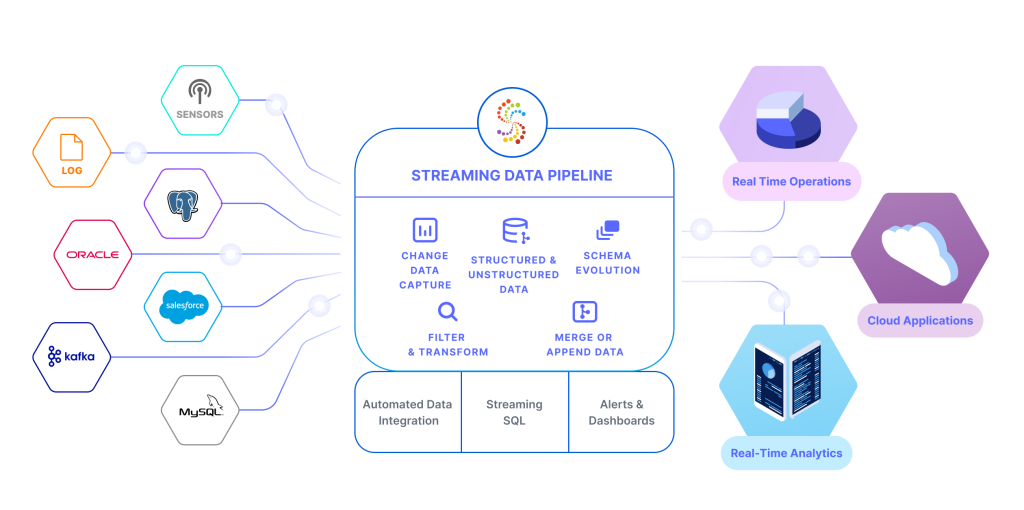
Increased Efficiency
By automating processes and integrating data pipelines, Dataops can help businesses become more efficient. This reduces errors and saves time, which can lead to cost savings and increased productivity.
Improved Data Quality
Dataops focuses on improving data quality by automating processes and reducing errors. This leads to more accurate data, which can lead to better decision-making.
Better Collaboration
Dataops encourages collaboration between different teams, such as IT and business users. This leads to better communication and more effective use of data.
Conclusion
Dataops is a methodology that focuses on the integration and automation of data pipelines. It’s all about streamlining the process of collecting, processing, and analyzing data and making it more efficient. By automating processes and integrating data pipelines, companies can reduce errors, improve efficiency, and make better decisions. So, if you’re looking to improve your data operations, then Dataops is the way to go!

Very nice and structured tutorial. Thank you
I really enjoyed your blog post about DataOps
The DataOps definition offered here is succinct yet comprehensive. It encapsulates the core principles of DataOps, making it easy for anyone to grasp the concept and its significance in the data-driven landscape.
Reach me at – Contact@DevOpsSchool.com
With the growing demand for faster and more efficient data analytics, Dataops is quickly becoming a critical component of modern businesses.
DataOps is a data management approach integrating automation and collaboration.
DataOps is a great way to improve the efficiency and effectiveness of data-driven decision-making. It can help to ensure that data is clean, consistent, and timely.
I’ve come across various explanations, but yours stands out as the most clear and comprehensive.
Thank you for providing a clear and concise definition of DataOps. This blog helped me grasp the concept with ease. Great work in simplifying a complex topic!
I finally understand a topic I once found daunting, thanks to this tutorial!