Data catalog tools are software solutions that provide a centralized and organized repository for managing metadata and information about data assets within an organization. These tools play a crucial role in data governance, data management, and data discovery processes by facilitating easy access to relevant data and ensuring data quality and compliance.
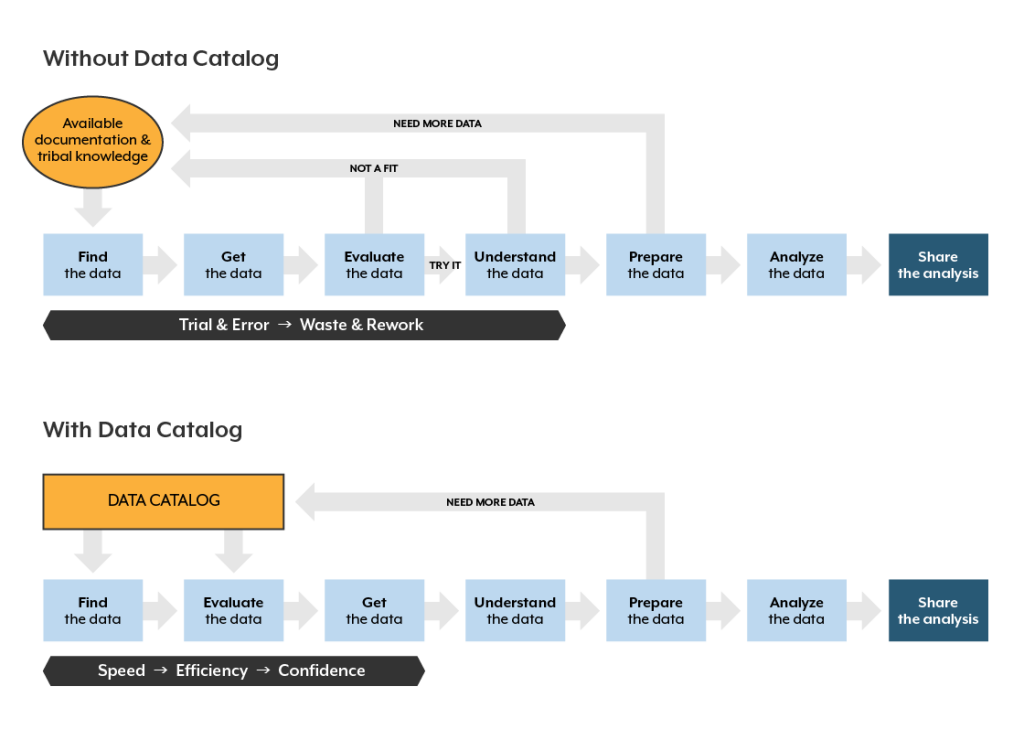
Key Features of Data Catalog Tools:
- Metadata Management: Data catalog tools capture and store metadata about various data assets, including databases, tables, files, data pipelines, and data transformations. This metadata includes data schemas, data lineage, data definitions, data owners, and data usage information.
- Data Discovery: Data catalog tools enable users to search and discover data assets based on specific criteria, such as data types, keywords, tags, or data categories. This facilitates data exploration and access across the organization.
- Data Lineage: Data catalog tools offer data lineage tracking, which shows the flow of data from its source to its destination, including data transformations and data processing steps.
Popular Data Catalog Tools:
- Collibra Data Catalog
- 2
- IBM Watson Knowledge Catalog
- Informatica Enterprise Data Catalog
- AWS Glue Data Catalog
1. Collibra Data Catalog
Collibra is a popular data intelligence platform that provides data governance, data catalog, and data lineage capabilities. It is designed to help organizations manage and govern their data assets, ensuring data quality, compliance, and data-driven decision-making. Collibra enables data collaboration and empowers data citizens across the organization to understand, access, and use data effectively.
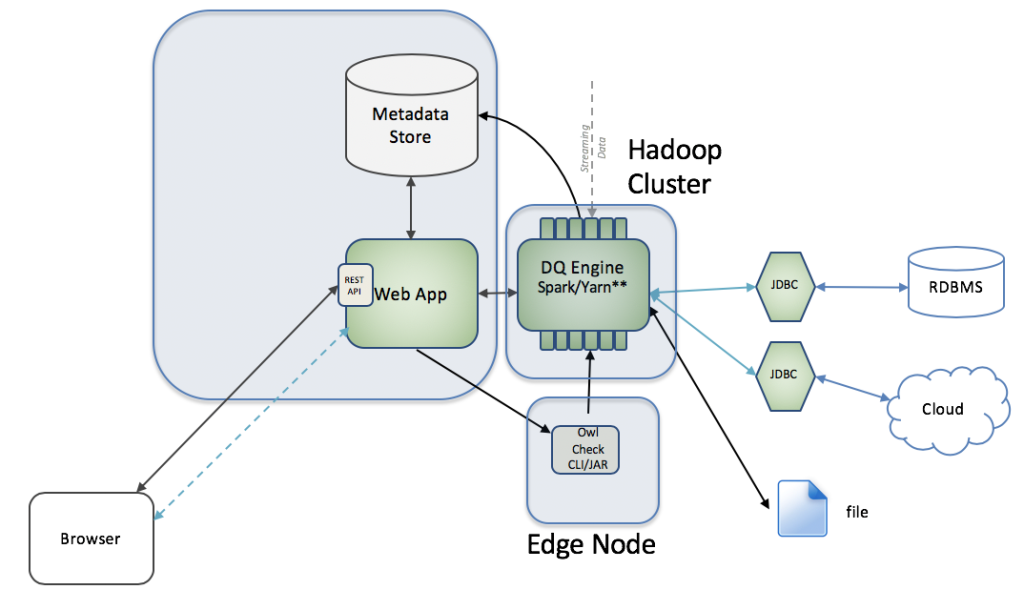
Key Features of Collibra Data Intelligence Platform:
- Data Governance: Collibra offers robust data governance capabilities, allowing organizations to define data policies, data standards, and data ownership. It facilitates data stewardship and provides workflows for data issue resolution and data change management.
- Data Catalog: Collibra’s data catalog allows users to discover, search, and understand data assets across the organization. It provides a centralized repository for metadata and data lineage information, making it easier to find and access trusted data.
- Data Lineage: Collibra’s data lineage feature tracks the data flow from its origin to its destination, helping users understand the data’s journey and transformations along the way.
2. Alation Data Catalog
Alation is a data catalog and data intelligence platform designed to help organizations effectively manage, discover, and collaborate on their data assets. It provides data cataloging, data governance, data collaboration, and data insights capabilities, empowering data users to find, understand, and trust data across the organization.
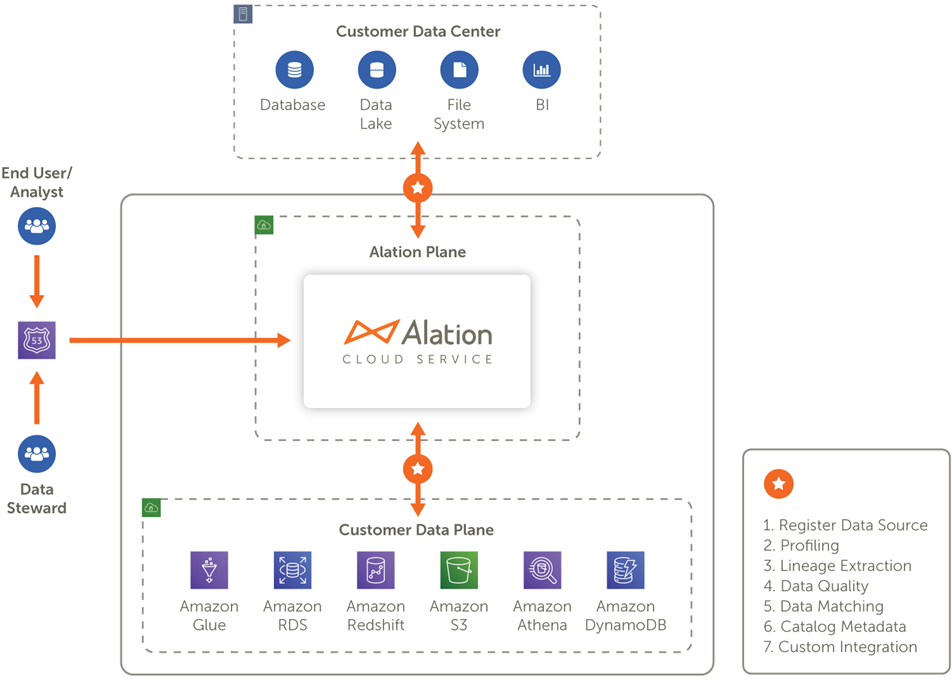
Key Features of Alation Data Catalog
- Data Catalog: Alation offers a comprehensive data catalog that centralizes metadata and data lineage information from various data sources, databases, data lakes, and data pipelines. This makes it easy for users to discover and access data assets.
- Data Lineage: Alation provides data lineage tracking, allowing users to visualize the data flow from its source to its destination, ensuring data accuracy and understanding data transformations.
- Data Governance: Alation supports data governance initiatives by allowing organizations to define data policies, data rules, and data standards. It enables data stewardship and data issue management.
3. IBM Watson Knowledge Catalog
IBM Watson Knowledge Catalog is a data catalog and data governance solution provided by IBM. It is part of the IBM Watson platform and is designed to help organizations manage and govern their data assets effectively. Watson Knowledge Catalog provides a centralized repository for storing and organizing metadata and information about data assets, making it easier for data users to discover, understand, and collaborate on data.
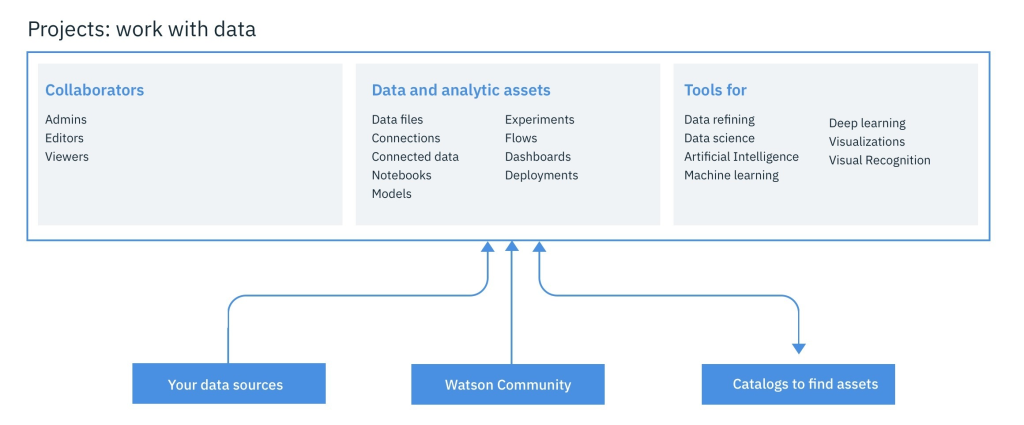
Key Features of IBM Watson Knowledge Catalog:
- Data Catalog: Watson Knowledge Catalog offers a comprehensive data catalog that aggregates metadata from various data sources, databases, cloud services, and data lakes. It provides a unified view of data assets for easy discovery and access.
- Data Lineage: The platform supports data lineage tracking, allowing users to understand the data flow from its source to its destination and track data transformations.
- Data Governance: Watson Knowledge Catalog supports data governance initiatives by enabling organizations to define data policies, data rules, and data access controls. It facilitates data stewardship and data issue management.
4. Informatica Enterprise Data Catalog
Informatica Enterprise Data Catalog (EDC) is a data catalog and data governance solution provided by Informatica, a leading data integration and data management software company. EDC is part of the Informatica Intelligent Data Platform and is designed to help organizations manage, discover, and govern their data assets effectively.
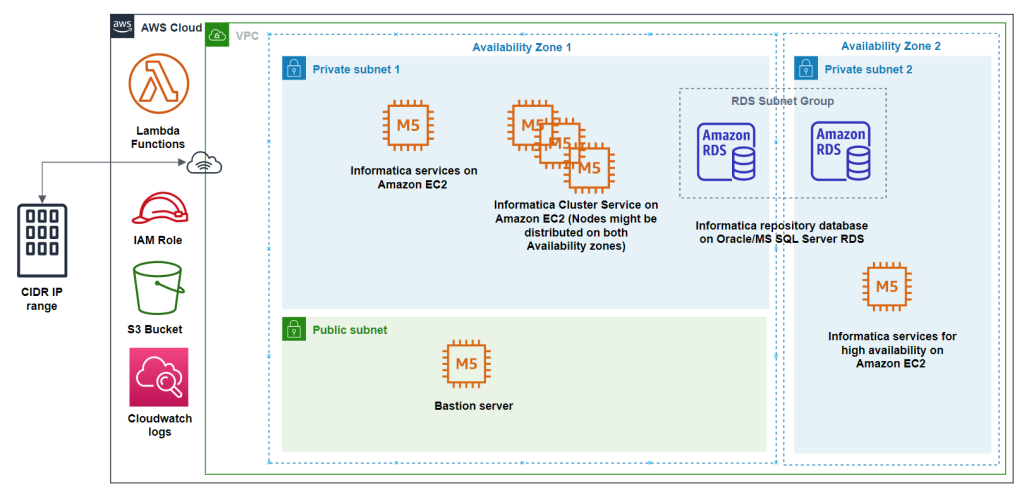
Key Features of Informatica Enterprise Data Catalog:
- Data Catalog: Informatica EDC offers a comprehensive data catalog that consolidates metadata from various data sources, databases, cloud services, data lakes, and data integration tools. It provides a unified view of data assets for easy discovery and access.
- Data Lineage: The platform supports data lineage tracking, allowing users to understand the data flow from its source to its destination and track data transformations.
- Data Governance: Informatica EDC supports data governance initiatives by enabling organizations to define data policies, data rules, and data access controls. It facilitates data stewardship and data issue management.
5. AWS Glue Data Catalog
AWS Glue Data Catalog is a fully managed metadata repository provided by Amazon Web Services (AWS) as part of AWS Glue, a serverless data integration and ETL (Extract, Transform, Load) service. The AWS Glue Data Catalog serves as a central metadata store that stores metadata information about data assets, making it easier for users to discover, manage, and govern their data in AWS environments.
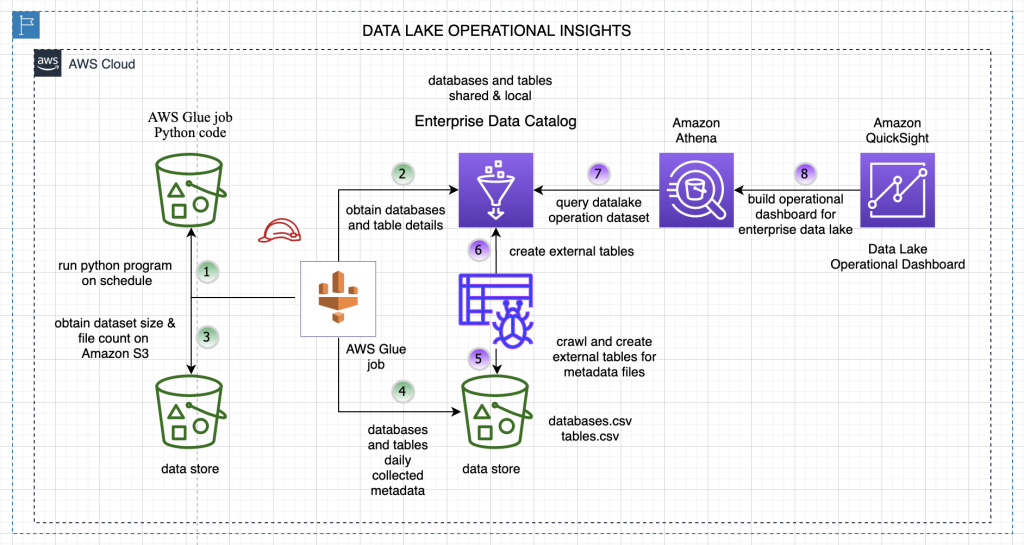
Key Features of AWS Glue Data Catalog:
- Centralized Metadata Repository: AWS Glue Data Catalog provides a centralized metadata repository that consolidates metadata information from various data sources, databases, data lakes, and data processing jobs.
- Data Cataloging: The platform allows users to catalog and organize their data assets, including tables, databases, and data transformation jobs.
- Data Discovery: AWS Glue Data Catalog enables users to discover and search for data assets based on attributes like table name, data source, schema, and tags.
Data catalog tools are essential for organizations to gain insights into their data landscape, promote data governance, enhance data collaboration, and ensure the effective use of data assets for analytics, reporting, and decision-making.
