How to Uninstall a Composer Package in Laravel 10

Composer is a powerful dependency manager for PHP that is widely used in Laravel projects to manage libraries and packages. While adding new packages enhances the functionality of your Laravel application, there might be scenarios where you need to uninstall or remove a package. In this guide, we’ll walk through the step-by-step process of uninstalling a Composer package in Laravel 10.

Step 1: Identify the Package to Uninstall

Firstly, identify the Composer package that you want to uninstall. You can find this information in your composer.json file, which is located at the root of your Laravel project.
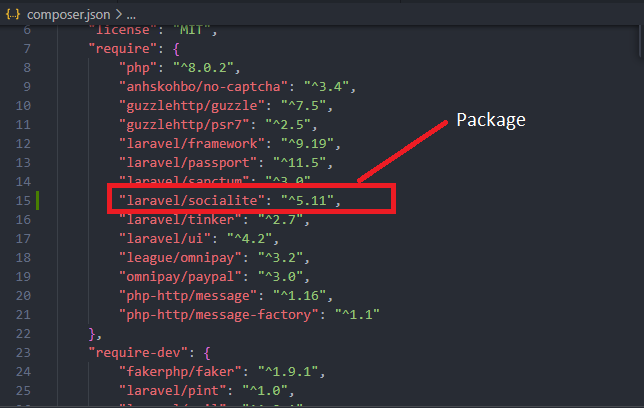
Step 2: Open Terminal or Command Prompt

Open your terminal or command prompt. Navigate to the root directory of your Laravel project.

Step 3: Run Composer Remove Command

Use the composer remove command followed by the package name to uninstall the package. For example:

composer remove vendor/package-name
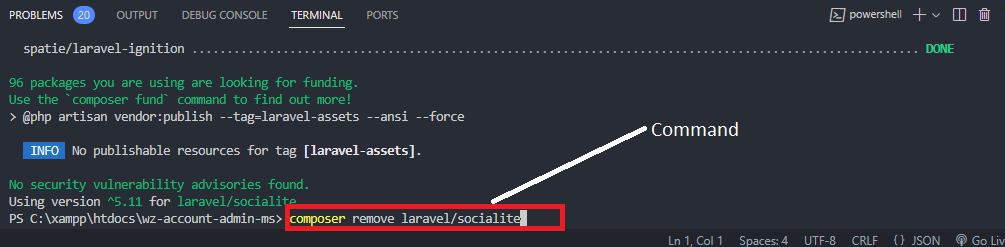
Run Command:-
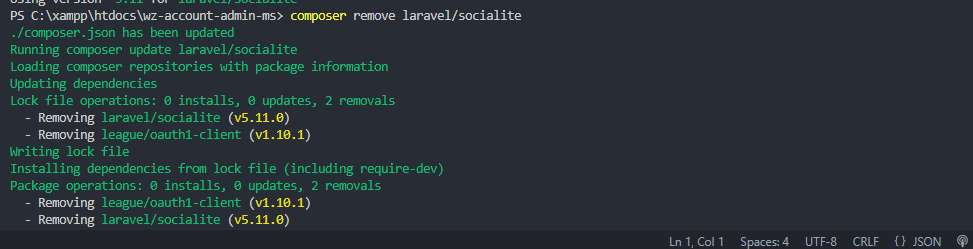
Output:-

Step 4: Verify Removal
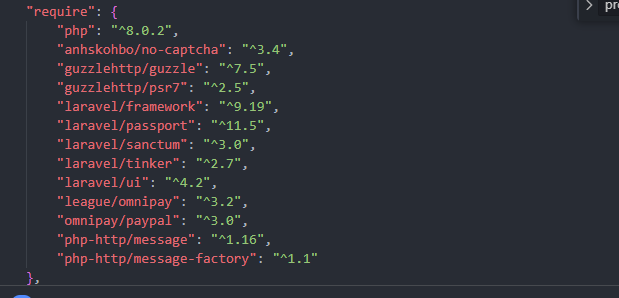
Hopefully, It will help you….!!!!

Related Posts

How Predictive Monitoring Platforms Optimize Modern DataOps and Data Observability

Introduction Traditional monitoring systems are no longer equipped to handle this level of complexity. Legacy tools depend entirely on static thresholds, which flag problems only after a…

Read More

DataOps Integration Tools: A Guide to Seamless Data Pipeline Integration

Modern enterprise organizations generate vast quantities of information across dozens of isolated systems. Managing this distributed ecosystem requires engineering infrastructure that can ingest, process, and deliver data…

Read More

Transforming Global Healthcare Solutions with Expert Treatment Guidance

Introduction As healthcare networks expand globally, an increasing number of individuals look beyond their geographic borders for solutions. However, exploring foreign medical environments presents its own set…

Read More

Affordable Healthcare Secrets: How MyHospitalNow Helps Patients Find Verified Hospitals and Save Money

Introduction The single greatest hurdle in modern healthcare is the lack of transparent, centralized data. Comparing treatment costs across different institutions is notoriously difficult. A procedure that…

Read More

DataOps Security in Pipelines: Best Practices for Data Engineers

Data has become the primary asset of the modern enterprise, but it is also the most vulnerable. As organizations migrate from static data warehouses to distributed, real-time…

Read More

Evaluating Enterprise DataOps Tools for Secure Automation and Pipeline Orchestration

Introduction Enterprise data systems are expanding at an unprecedented rate. Organizations no longer manage just a few centralized databases. Instead, modern infrastructure spans across hybrid cloud environments,…

Read More
Subscribe
Notify of
guest
0 Comments
Oldest
Newest Most Voted
Inline Feedbacks
View all comments
0
Would love your thoughts, please comment.x
()
x