Introduction:
In the era of big data and analytics, organizations are increasingly relying on DataOps tools to streamline and automate their data pipelines. However, with various tools available, choosing the right DataOps tool can be challenging. This guide explores essential factors to consider when selecting a DataOps tool that meets your organization’s needs.
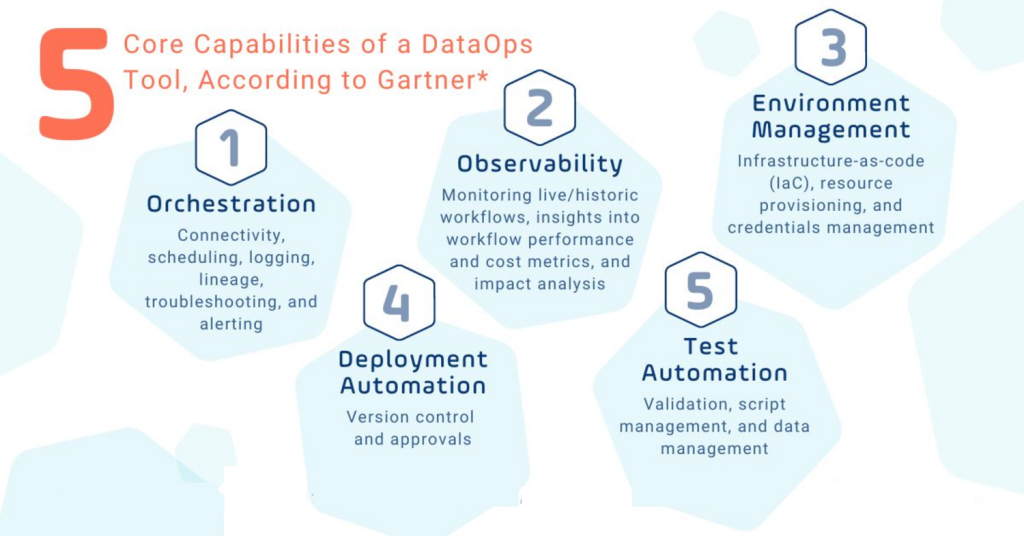
1. Understand Your Organization’s Data Needs
- Assess Data Complexity: Identify the volume, variety, and velocity of data your organization handles. Complex data architectures may need more advanced DataOps tools.
- Define Goals: Outline your objectives, such as improving data quality, ensuring compliance, or enabling real-time analytics.
2. Key Features to Look For
- Scalability: Choose a tool that scales with your data volume, as data requirements grow over time.
- Data Integration and Connectivity: Ensure the tool can integrate with your existing data sources, databases, and applications.
- Automation Capabilities: Look for robust automation features that can streamline repetitive tasks, like data cleaning and transformation.
- Security and Compliance: Compliance is crucial for industries handling sensitive data. Select a DataOps tool with built-in security measures and compliance certifications.
3. Ease of Use and Collaboration
- User-Friendly Interface: A user-friendly interface reduces the learning curve, enabling quicker adoption by your data team.
- Collaboration Features: Modern DataOps tools facilitate collaboration among data engineers, analysts, and other stakeholders. Features like version control, access control, and project tracking are essential.
4. Compatibility with Existing Infrastructure
- On-Premises or Cloud: Depending on your infrastructure, you may need a DataOps tool that works seamlessly with either on-premises systems or cloud platforms.
- Integration with BI Tools: Consider if the DataOps tool integrates smoothly with your business intelligence (BI) tools for a unified data experience.
5. Cost and Licensing Options
- Understand the Pricing Model: Some tools charge per user, while others use a data volume-based pricing model. Evaluate which model suits your budget and usage.
- Consider Total Cost of Ownership (TCO): Take into account not just the tool’s licensing fee but also implementation, training, and maintenance costs.
6. Customer Support and Documentation
- Reliable Customer Support: Choose a vendor that offers quality support, whether it’s through live chat, email, or phone.
- Comprehensive Documentation: Good documentation can significantly ease the implementation and troubleshooting processes, saving time and resources.
7. Top DataOps Tools to Consider
- DataOps Tools Overview: Some popular options include Apache NiFi, Fivetran, StreamSets, DataKitchen, and Databricks. Each tool has unique strengths in data integration, transformation, or real-time data streaming.
Conclusion
Selecting the right DataOps tool is essential for building efficient data pipelines and enabling data-driven decision-making within your organization. By evaluating the tool’s scalability, integration capabilities, automation features, and cost, you can make an informed decision that aligns with your goals. Investing in the right DataOps tool will ultimately empower your data team, improve productivity, and enhance the overall quality of your data.
