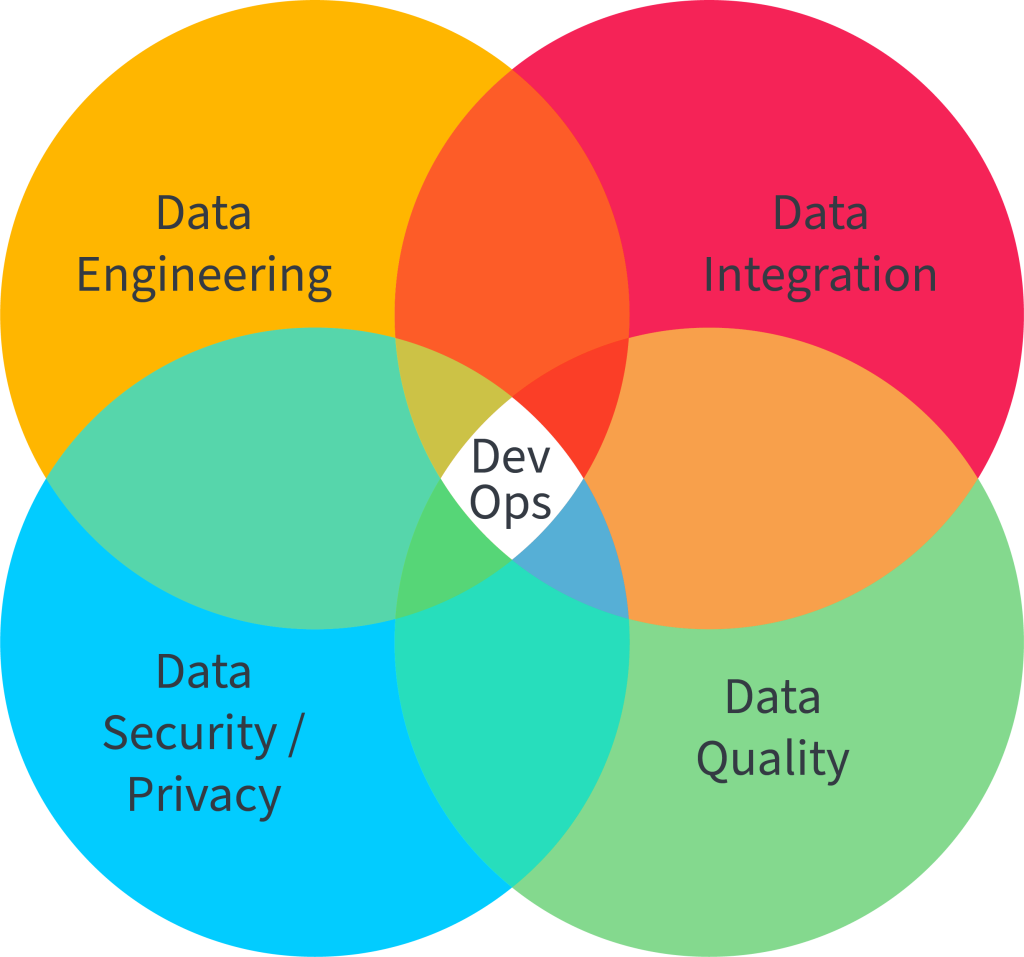
Data security has become a paramount concern. Data breaches, cyberattacks, and data privacy violations can have severe consequences for organizations. DataOps, with its emphasis on automation, collaboration, and data quality, can play a crucial role in enhancing data security.
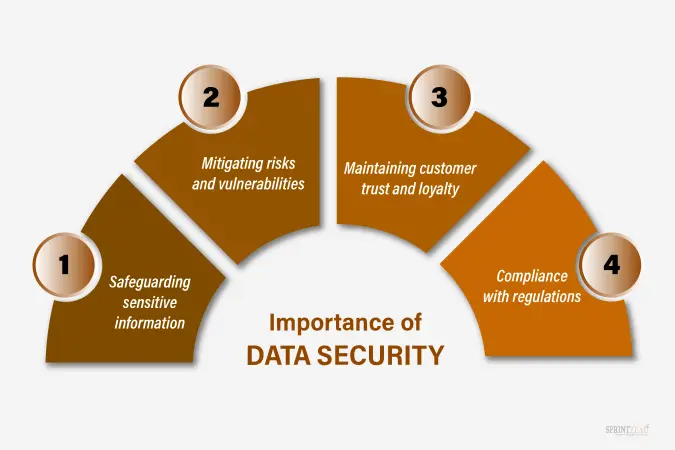
Here’s how DataOps can improve data security:
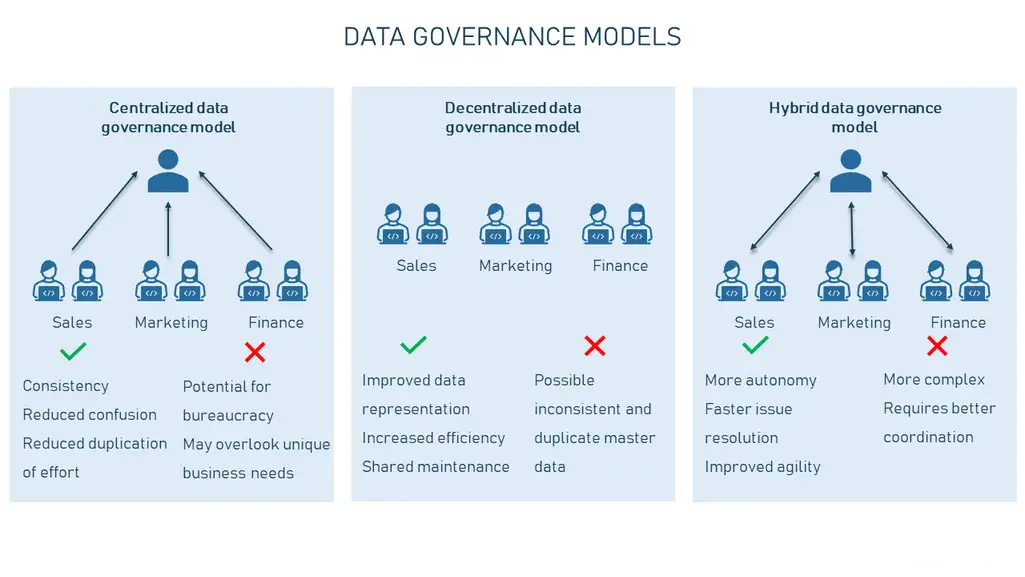
1. Centralized Data Governance
- Establish Clear Ownership: Define clear data ownership and accountability.
- Implement Data Access Controls: Restrict access to sensitive data based on roles and permissions.
- Enforce Data Privacy Regulations: Ensure compliance with regulations like GDPR, CCPA, and HIPAA.
2. Automated Data Pipelines
- Reduce Human Error: Automate data pipelines to minimize the risk of human error.
- Implement Data Quality Checks: Build automated checks to identify and correct data quality issues.
- Secure Data Transfers: Use secure protocols and encryption to protect data during transmission.
3. Robust Monitoring and Alerting
- Monitor Data Access: Track user access to sensitive data.
- Detect Anomalies: Set up alerts for unusual data patterns or security breaches.
- Implement Intrusion Detection Systems (IDS): Monitor network traffic for malicious activity.
4. Data Encryption
- Encrypt Sensitive Data: Encrypt data at rest and in transit.
- Use Strong Encryption Algorithms: Implement robust encryption algorithms like AES-256.
5. Regular Security Audits and Penetration Testing
- Identify Vulnerabilities: Conduct regular security audits to identify weaknesses.
- Simulate Attacks: Perform penetration testing to assess the organization’s security posture.
- Patch Management: Keep systems and software up-to-date with the latest security patches.
6. Data Masking and Anonymization
- Protect Sensitive Data: Mask or anonymize sensitive data to reduce the risk of data breaches.
- Comply with Privacy Regulations: Ensure compliance with data privacy regulations.
7. Incident Response Planning
- Develop an Incident Response Plan: Create a detailed plan for responding to security incidents.
- Test the Plan Regularly: Conduct regular drills to ensure the plan is effective.
- Establish a Crisis Communication Plan: Communicate effectively with stakeholders during security incidents.
8. Employee Training and Awareness
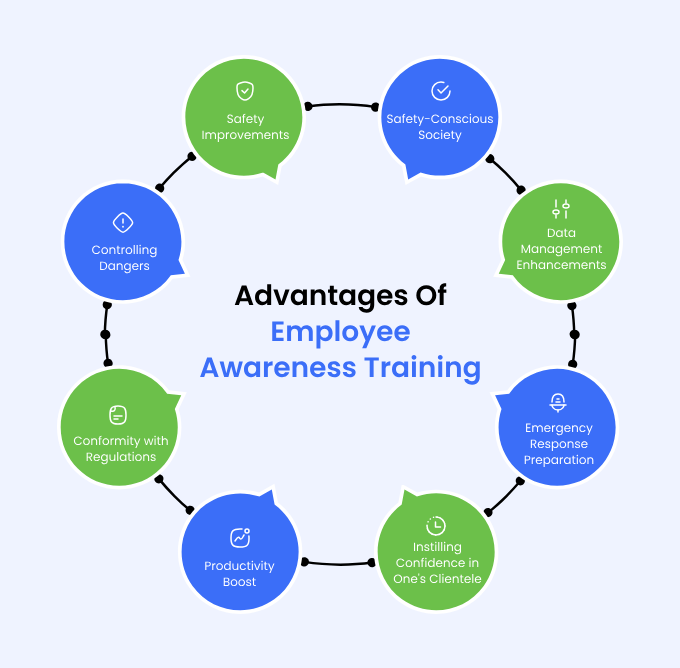
- Security Awareness Training: Educate employees about security best practices.
- Phishing Awareness: Train employees to recognize and avoid phishing attacks.
- Password Security: Implement strong password policies and encourage the use of multi-factor authentication.
