DataOps, or Data Operations, has rapidly evolved from traditional data management methods to a more agile, efficient, and collaborative approach. In today’s fast-paced digital world, organizations must adapt quickly to changing data landscapes, and DataOps provides the framework to do just that. This blog explores the evolution of DataOps, its benefits, and how it has transformed the way businesses handle data.
The Challenges of Traditional Data Management
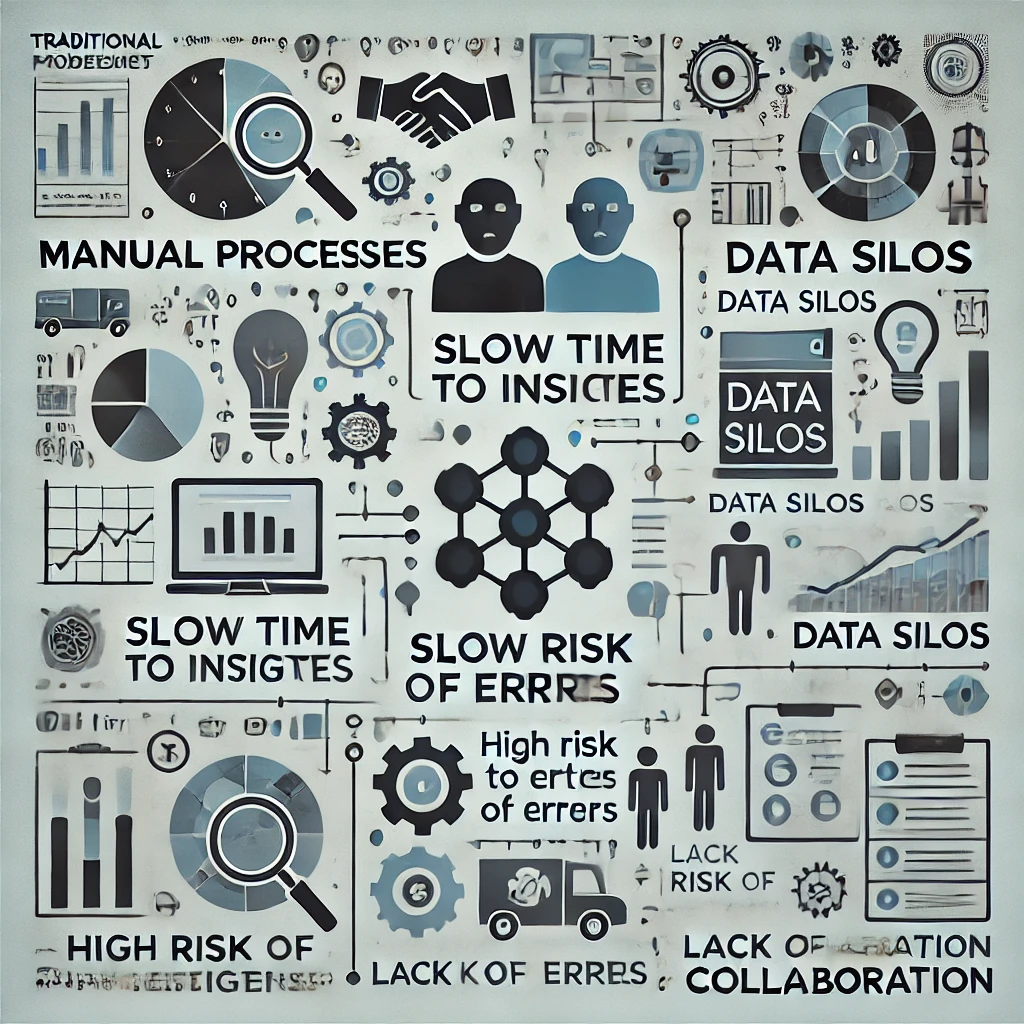
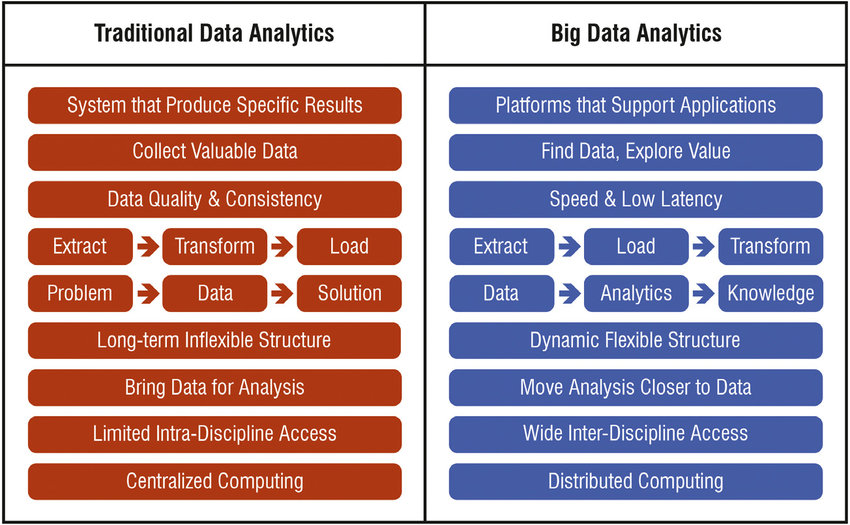
In the past, data management was a predominantly batch-oriented process. Data was extracted from various sources, transformed, and loaded into data warehouses or data marts for analysis. This approach was time-consuming, error-prone, and often resulted in data that was stale or inaccurate. Additionally, data teams worked in isolation, leading to communication breakdowns and inefficient workflows.
The Rise of DataOps: A Paradigm Shift
DataOps emerged as a response to these challenges, bringing together the best practices of DevOps and Agile methodologies to the realm of data management. By fostering collaboration, automation, and continuous improvement, DataOps enables organizations to deliver high-quality data products at an accelerated pace.
Key Differences Between Traditional Data Management and DataOps
Key Principles of DataOps:
- Automation: Streamlining repetitive tasks to reduce errors and increase efficiency.
- Continuous Integration (CI): Ensuring data pipelines are always up-to-date and functioning smoothly.
- Collaboration: Breaking down silos and encouraging communication across teams.
- Data Quality: Implementing rigorous testing and validation to ensure data accuracy and reliability.
The Benefits of Agile Data Operations
The transition to DataOps has brought numerous benefits to organizations, enabling them to respond more quickly to changes in the data landscape and make data-driven decisions with confidence.

Benefits of DataOps:
- Faster Time to Insights: Automated processes and continuous integration enable quicker access to actionable insights.
- Improved Data Quality: Regular testing and validation ensure that data is accurate and reliable.
- Increased Agility: Teams can adapt to changes more rapidly, making the organization more responsive.
- Enhanced Collaboration: Open communication and collaboration lead to better decision-making and innovation.
Conclusion
The evolution of DataOps marks a significant shift in how organizations manage and leverage their data. By embracing agile data operations, businesses can enhance their ability to derive insights, improve collaboration, and stay competitive in an increasingly data-driven world.
