Introduction
When it comes to data exploration, having the right tools can make all the difference. In this article, we will delve into some of the top data exploration tools available in the market today. From Apache Zeppelin to Jupyter Notebook, Microsoft Azure Notebooks to Databricks, and IBM Watson Studio, we will explore the features and functionalities of each tool. So, let’s dive in!

Apache Zeppelin
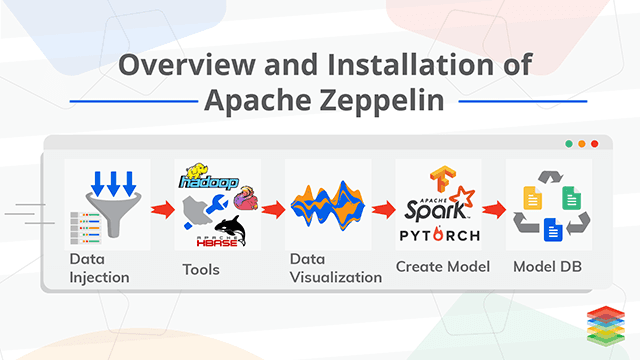
Apache Zeppelin is a powerful open-source data exploration tool that provides an interactive and collaborative environment for data analysis. With its user-friendly interface and support for multiple programming languages, including Python, R, and SQL, Zeppelin makes it easy for data scientists and analysts to explore and visualize data. Its notebook-based interface allows users to create, edit, and share interactive notebooks, making collaboration seamless.
Jupyter Notebook
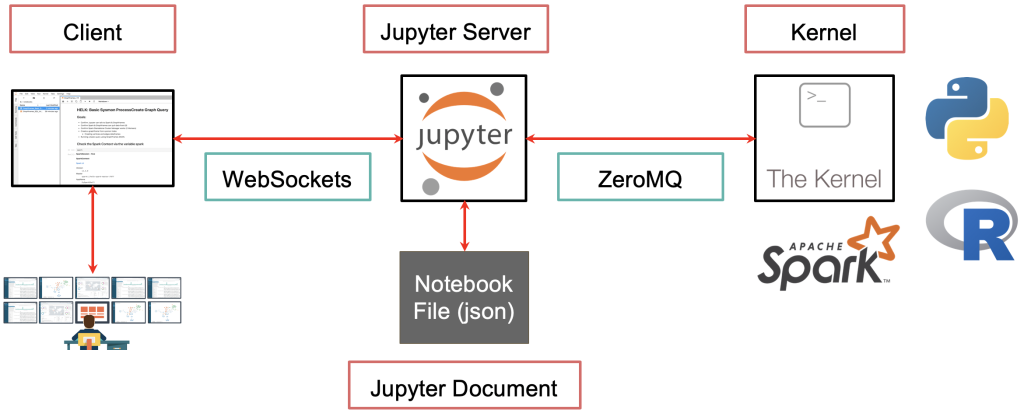
Jupyter Notebook is another popular data exploration tool that is widely used in the data science community. It offers a web-based interactive computing environment that supports various programming languages, including Python, R, and Julia. Jupyter Notebook allows users to write and execute code, visualize data, and create interactive documents that combine code, text, and visualizations. Its flexibility and extensive library support make it a preferred choice for data exploration and analysis.
Microsoft Azure Notebooks
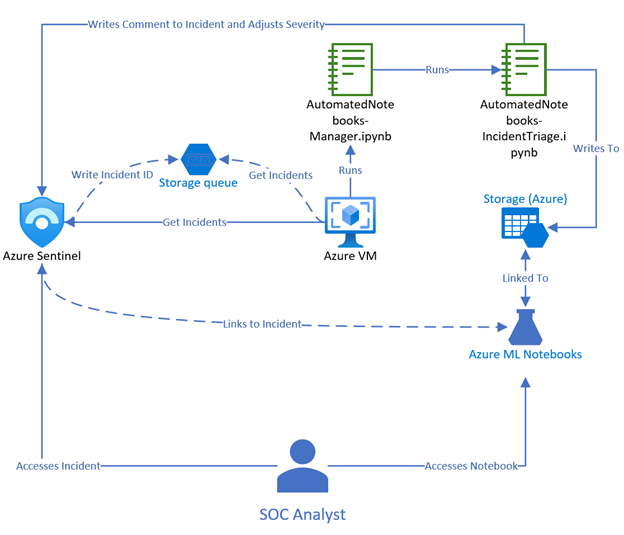
Microsoft Azure Notebooks is a cloud-based data exploration tool that provides a hassle-free environment for data analysis. With its integration with Microsoft Azure, users can leverage the power of cloud computing to process large datasets and perform complex computations. Azure Notebooks supports multiple programming languages, including Python and R, and offers a range of pre-installed libraries and packages. Its seamless integration with other Azure services makes it a convenient choice for data exploration on the cloud.
Databricks
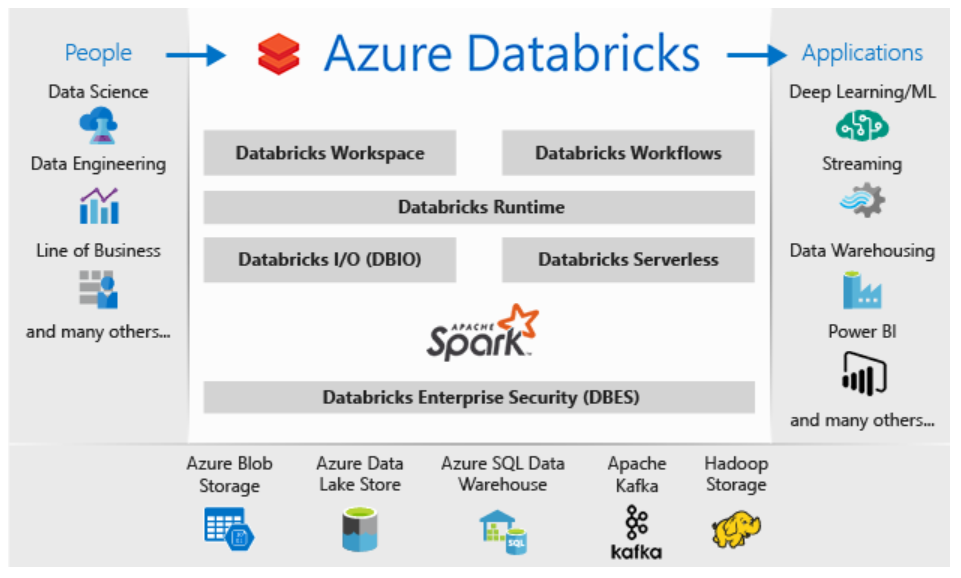
Databricks is a unified data analytics platform that combines the power of Apache Spark with an interactive workspace for data exploration. With its collaborative features and support for multiple programming languages, Databricks enables data scientists and analysts to work together on data exploration and analysis tasks. Its scalable and distributed computing capabilities make it ideal for processing large datasets and performing complex computations. Databricks also provides an intuitive user interface and a wide range of visualization options, making data exploration a breeze.
IBM Watson Studio
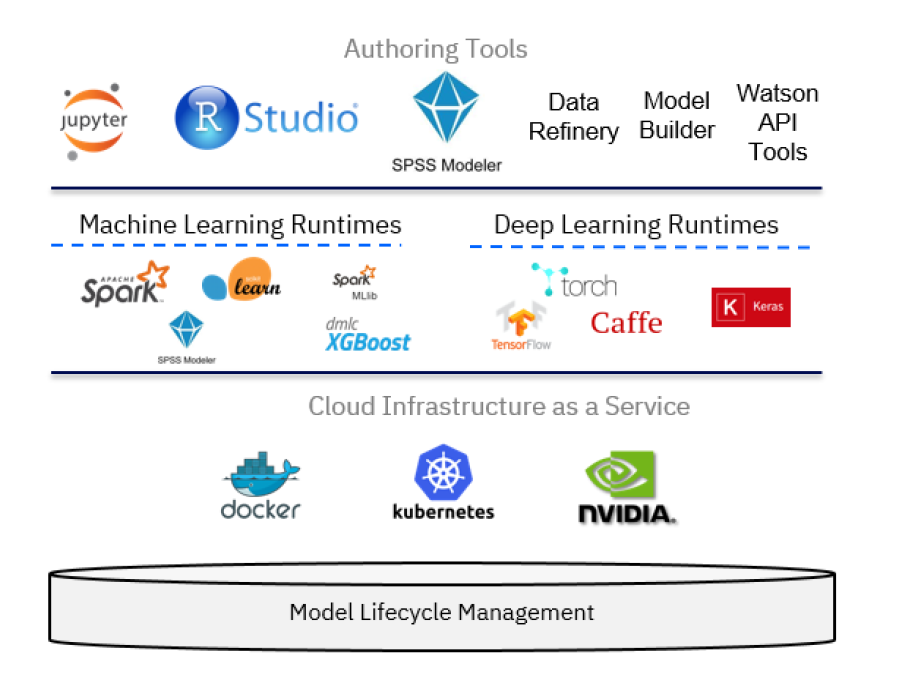
IBM Watson Studio is an enterprise-grade data exploration and analysis tool that offers a comprehensive set of features for data scientists and analysts. With its easy-to-use interface and support for multiple programming languages, including Python and R, Watson Studio simplifies the process of data exploration and model development. It provides a range of pre-built models and algorithms, as well as integration with popular machine learning frameworks. Watson Studio also offers advanced collaboration and deployment capabilities, making it a complete solution for data exploration and analysis.
Conclusion
In this article, we have explored some of the top data exploration tools available in the market today. From Apache Zeppelin to Jupyter Notebook, Microsoft Azure Notebooks to Databricks, and IBM Watson Studio, each tool offers unique features and functionalities that cater to the diverse needs of data scientists and analysts. Whether you are a beginner or an experienced professional, having the right data exploration tool can greatly enhance your productivity and help you uncover valuable insights from your data. So, choose the tool that best suits your requirements and embark on your data exploration journey!
