DataOps tools have become essential for streamlining the end-to-end data pipeline. With organizations increasingly relying on big data to make informed decisions, DataOps tools support the automation, orchestration, and scaling of data workflows. Here, we cover the top DataOps tools and platforms to consider in 2024 to help you maximize efficiency and gain insights.
1. Apache Airflow
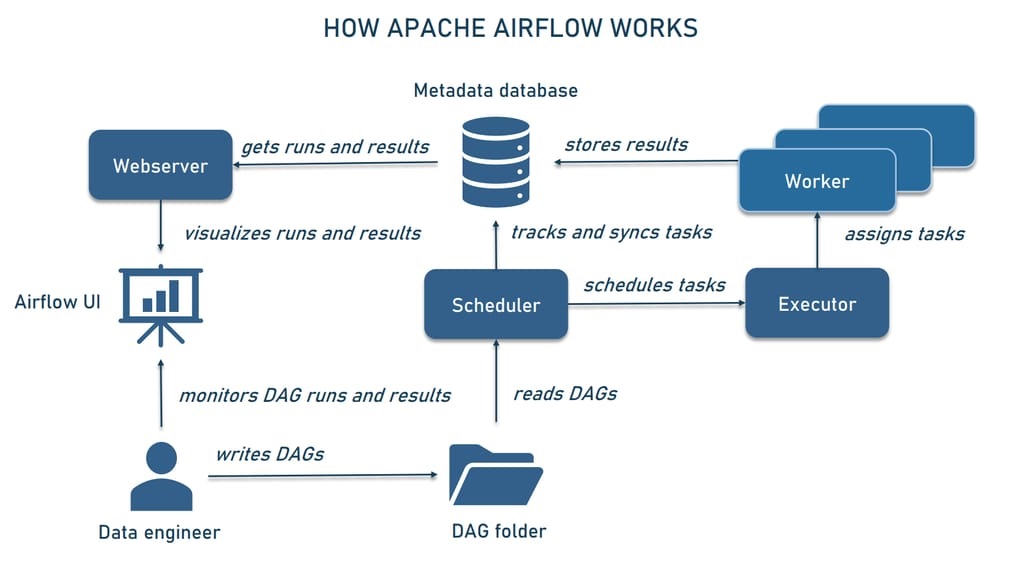
- Overview: Apache Airflow is a popular open-source tool for workflow automation. It enables users to define, schedule, and monitor data pipelines using Directed Acyclic Graphs (DAGs).
- Key Features:
- Task dependency management
- Scalability with integration for big data ecosystems
- Extensible through custom operators
- Best For: Teams needing flexibility and scalability in managing complex workflows.
2. DBT (Data Build Tool)
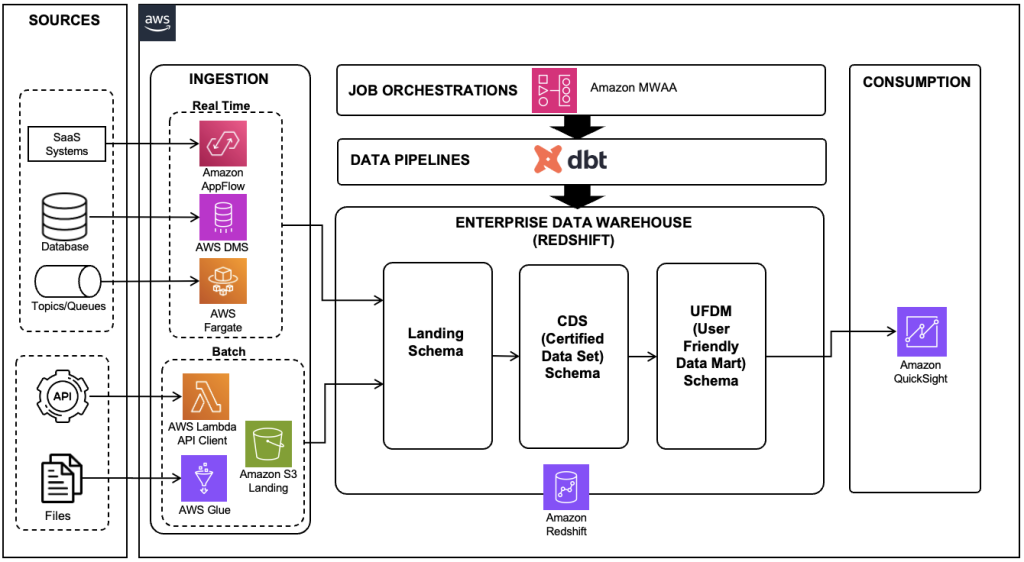
- Overview: DBT specializes in transforming data directly within a data warehouse, making it ideal for data engineers and analysts looking to manage the ETL pipeline effectively.
- Key Features:
- SQL-based transformations
- Data lineage and testing
- Collaboration and version control
- Best For: Data engineering teams focused on transformation-heavy workflows.
3. Prefect
- Overview: Prefect offers an open-source framework for building, running, and monitoring data workflows, with a cloud option for enhanced orchestration capabilities.
- Key Features:
- Python-based workflow construction
- Task scheduling and monitoring
- Resilience and failure handling
- Best For: Python-centric teams looking for flexibility and resilience in their data pipelines.
4. Talend
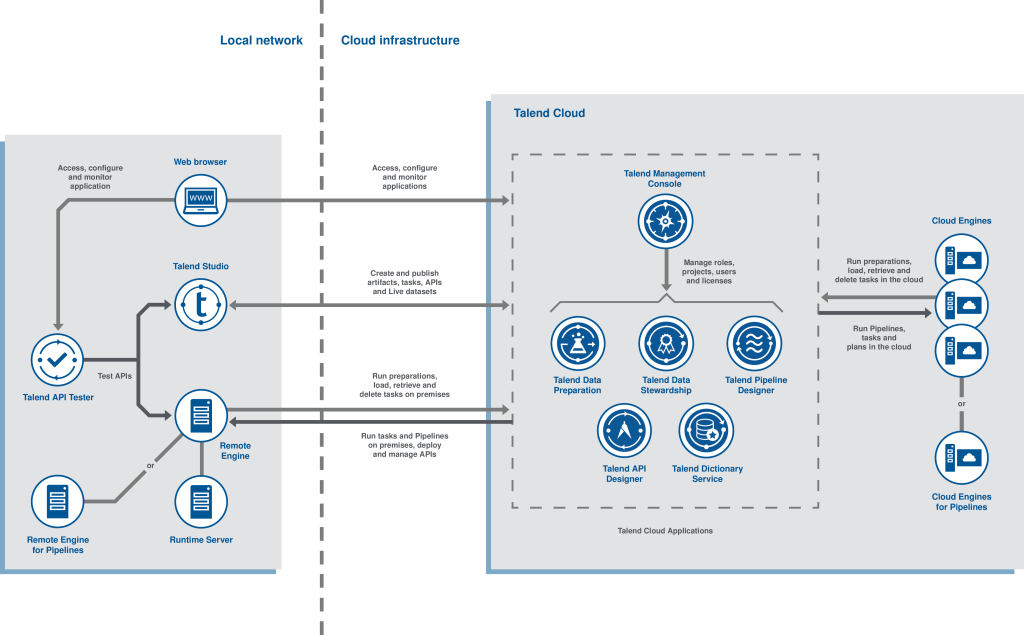
- Overview: Talend is a comprehensive DataOps tool that supports integration, data quality, and data governance through a unified platform.
- Key Features:
- Data integration across multiple sources
- Real-time data governance
- Advanced data quality and cleansing
- Best For: Enterprises focused on data governance and quality in addition to integration.
5. Fivetran
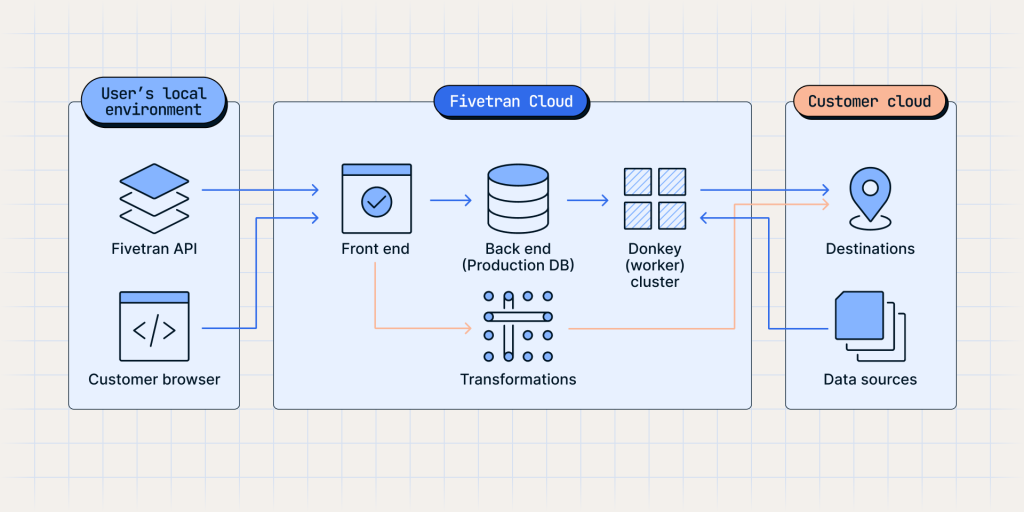
- Overview: Fivetran automates data integration by continuously syncing data from various sources to a data warehouse, supporting a fully managed ETL solution.
- Key Features:
- Pre-built connectors for popular platforms
- Automatic schema mapping and updating
- Minimal maintenance requirements
- Best For: Organizations needing reliable, automated data integration with minimal setup.
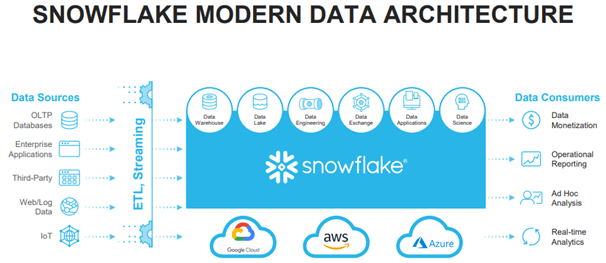
6. Snowflake
- Overview: Snowflake is a cloud data platform that provides a DataOps-friendly environment by supporting seamless data warehousing, lakehouse, and operational analytics.
- Key Features:
- Auto-scaling compute power
- Cross-region and cross-cloud support
- Integrated data sharing and marketplace
- Best For: Companies looking for scalable cloud-based solutions with multi-cloud compatibility.
7. DataRobot
- Overview: DataRobot’s automated machine learning platform combines with DataOps functionalities, offering predictive analytics, AI, and streamlined ML pipeline creation.
- Key Features:
- End-to-end machine learning automation
- Model deployment and monitoring
- Data preprocessing and feature engineering
- Best For: Organizations focused on AI/ML model lifecycle management within DataOps.
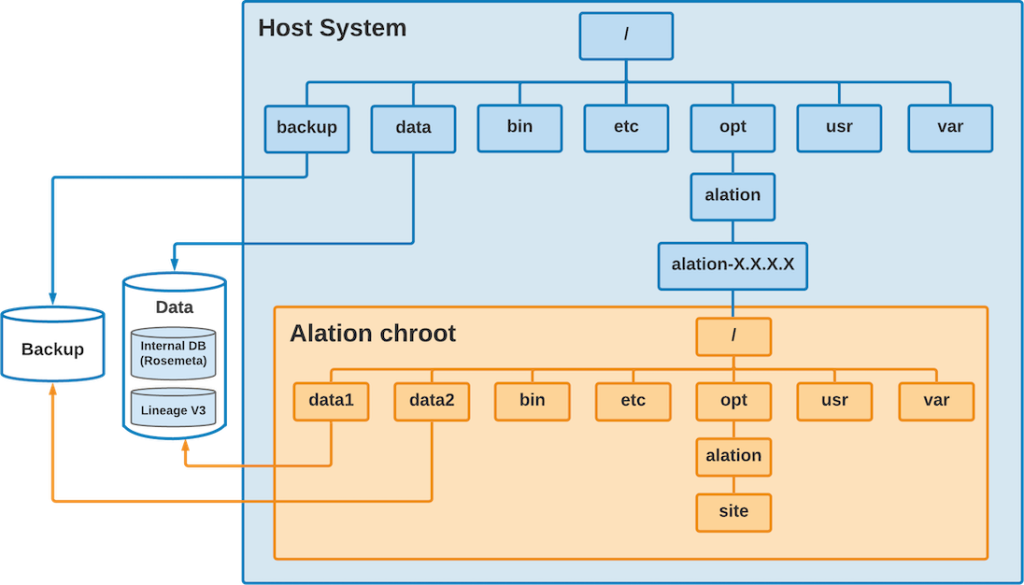
8. Alation
- Overview: Alation is a leader in data cataloging and governance, making it a top choice for enterprises focusing on data accessibility and compliance.
- Key Features:
- Data catalog and governance
- Machine learning-powered data discovery
- Collaboration and knowledge sharing tools
- Best For: Enterprises needing strong data governance and compliance features.
9. StreamSets
- Overview: StreamSets specializes in data engineering with real-time data pipeline monitoring and control, supporting various data platforms.
- Key Features:
- Smart data pipelines
- Real-time analytics
- Integration with various cloud and on-premises data sources
- Best For: Real-time and batch data processing across hybrid and multi-cloud environments.
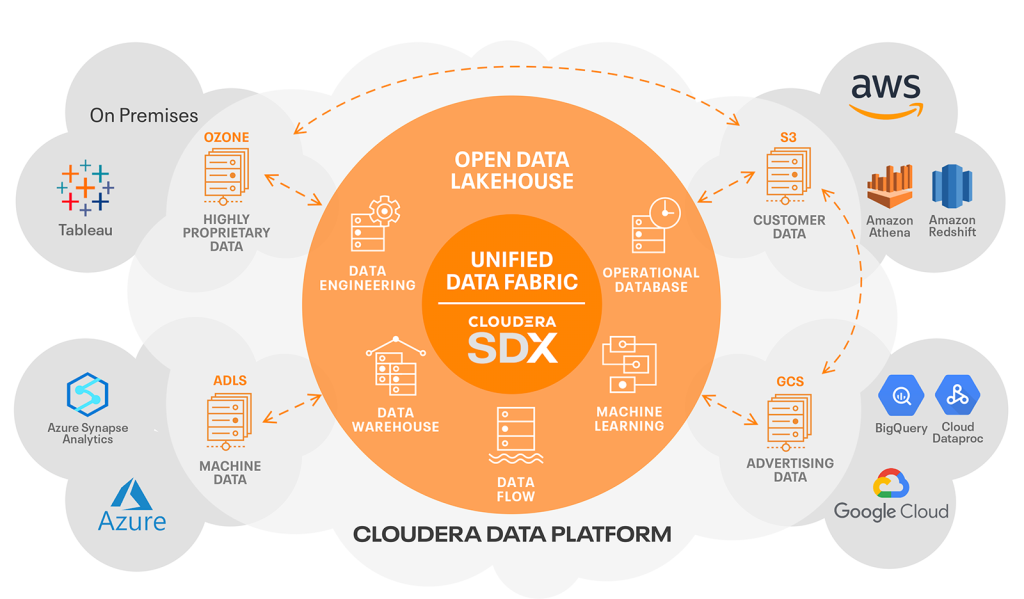
10. Cloudera Data Platform (CDP)
- Overview: CDP combines DataOps, Data Engineering, and Machine Learning, providing a complete end-to-end solution for data-driven enterprises.
- Key Features:
- Multi-functional for data ingestion, management, and analysis
- Secure and compliant data access
- Unified experience across on-premise and cloud
- Best For: Enterprises seeking a cohesive solution that covers the full data lifecycle.
Why DataOps Tools Matter in 2024
With data continuously growing in volume and complexity, DataOps tools enable faster and more reliable data processing, helping businesses make real-time decisions. By automating the data pipeline and ensuring data quality, these tools play a crucial role in maintaining data integrity and maximizing operational efficiency.
