Are you tired of hearing buzzwords thrown around without really understanding what they mean? If you’ve heard the terms “DataOps” and “APM” being used interchangeably, you’re not alone. But what do they really mean and how do they differ from each other? In this article, we’ll explore the ins and outs of DataOps and APM, and help you understand the key differences between the two.
DataOps: The New Kid on the Block
DataOps is a relatively new term, coined to describe a set of practices that aim to streamline and improve the way data is managed and delivered. It’s essentially an extension of DevOps, which focuses on automating and optimizing software development and delivery processes. DataOps takes this concept and applies it to data management, with the aim of making data more accessible, reliable, and secure.
DataOps involves a range of activities, from data integration and testing to data quality control and management. It also involves collaboration between different teams, including data engineers, data scientists, data analysts, and other stakeholders. The goal is to ensure that data is delivered in a timely and efficient manner, and that it meets the needs of the business.
APM: Focusing on Performance
APM, on the other hand, stands for “Application Performance Management”. It’s a set of practices and tools that are used to monitor and manage the performance of applications. APM is all about ensuring that applications are running smoothly and efficiently, and that any issues or bottlenecks are identified and addressed quickly.
APM involves a range of activities, from monitoring application performance metrics to identifying and resolving issues. It’s typically used by IT teams to ensure that applications are meeting the needs of the business, and that users are able to access and use them without any problems.
Key Differences Between DataOps and APM
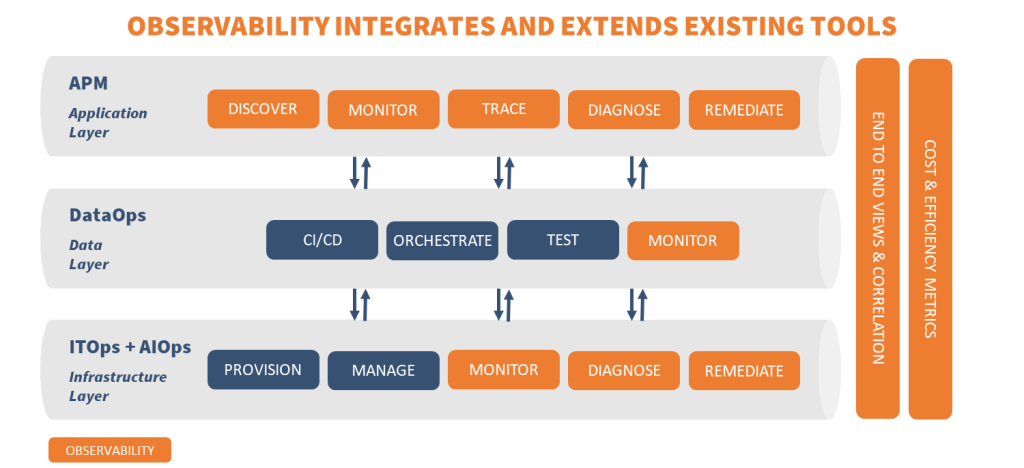
While there are some similarities between DataOps and APM, there are also some key differences that set them apart. For one, DataOps is focused on data management, while APM is focused on application performance. DataOps is concerned with ensuring that data is accessible, reliable, and secure, while APM is concerned with ensuring that applications are running smoothly and efficiently.
Another key difference is the scope of each practice. DataOps involves a range of activities that span the entire data lifecycle, from integration to delivery. APM, on the other hand, is focused specifically on the performance of applications. While it may involve some level of integration with other systems, it’s primarily concerned with the performance of the application itself.
Why Do We Need Both?
While DataOps and APM may seem like separate and distinct practices, they actually complement each other quite well. DataOps ensures that data is delivered in a timely and efficient manner, while APM ensures that applications are performing at their best. Together, they help to ensure that businesses are able to make the most of their data and applications.
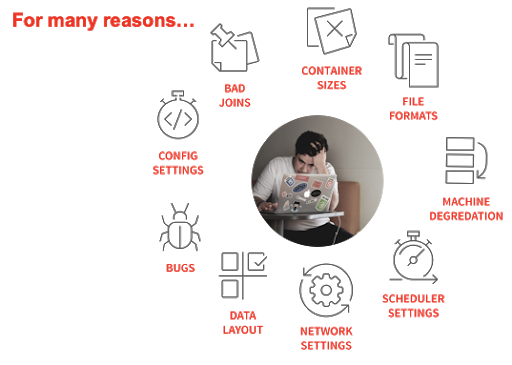
Moreover, the two practices can actually be used together to achieve even better results. For example, by using APM to monitor the performance of applications, IT teams can identify areas where data delivery could be improved. By using DataOps to streamline data management processes, teams can ensure that data is delivered more efficiently, improving overall application performance.
Conclusion
DataOps and APM may be buzzwords, but they’re also important practices that can help businesses make the most of their data and applications. While they may seem distinct, they actually complement each other quite well. By understanding the differences between the two, and how they can be used together, businesses can improve the way they manage and deliver data and applications, and gain a competitive edge in the market.
