If you’re a data scientist, engineer, or anyone who works with machine learning models, you’ve probably heard of MLOps and observability. But do you know the difference between the two? Let’s dive in and explore the world of MLOps and observability, and figure out what sets them apart.
MLOps: The Buzzword You Can’t Escape
MLOps, short for “machine learning operations,” is a buzzword that’s been making the rounds in the data science world for a while now. But what does it actually mean?
At its core, MLOps is all about streamlining the process of building, deploying, and maintaining machine learning models. It’s a set of best practices and tools that help teams work together more efficiently, automate tasks, and ensure that models are always performing at their best.
Some of the key components of MLOps include:
- Version control for code and data
- Continuous integration and deployment (CI/CD) pipelines
- Model monitoring and management
- Collaboration and communication tools
The goal of MLOps is to make the process of building and deploying machine learning models more reliable, scalable, and repeatable.
Observability: The Other Buzzword You Can’t Escape
Observability is another buzzword that’s been gaining traction lately, especially in the world of software engineering. But what does it have to do with machine learning?
At its core, observability is all about understanding how a system behaves from the inside out. It’s about being able to answer questions like:
- What’s happening in my system right now?
- Why did that error occur?
- How can I optimize my system for better performance?
In the context of machine learning, observability is all about tracking and understanding how models are behaving in real-world scenarios. This means monitoring things like:
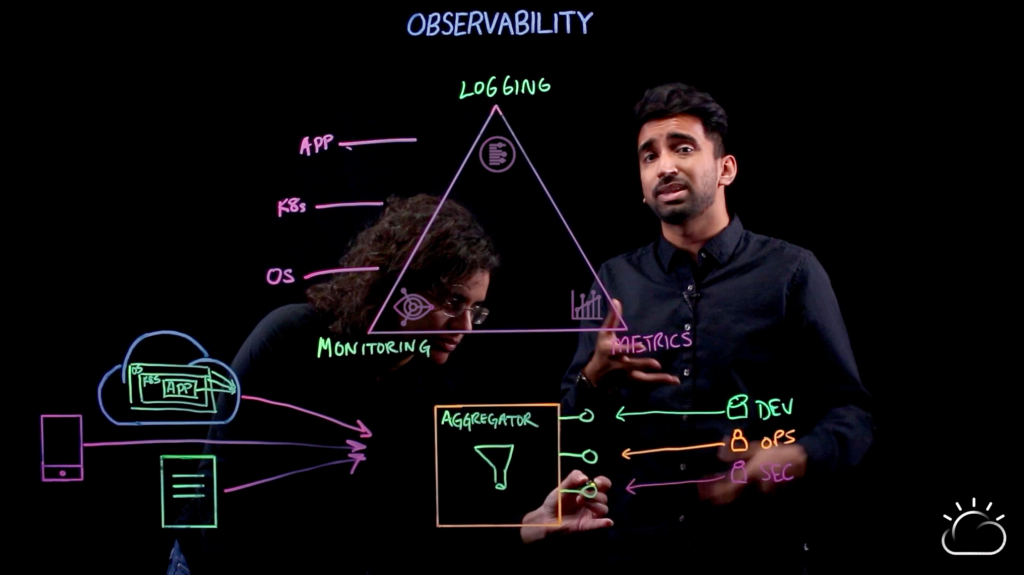
- Model performance metrics (accuracy, precision, recall, etc.)
- Data drift and concept drift
- Model explainability and interpretability
The goal of observability is to provide teams with the insights they need to make informed decisions about their models, and to ensure that models are performing as expected in production.
So, What’s the Difference?
Now that we’ve explored what MLOps and observability are, let’s talk about how they differ from each other.
At a high level, MLOps is focused on the process of building and deploying machine learning models, while observability is focused on understanding how those models behave in production.
MLOps helps teams work together more efficiently and reliably, automate tasks, and ensure that models are always performing at their best. Observability helps teams track and understand how models are behaving in real-world scenarios, and provides insights that can be used to make informed decisions about those models.
In other words, MLOps is all about building and deploying models, while observability is all about monitoring and managing those models once they’re in production.
Wrapping Up
So there you have it: the difference between MLOps and observability. While they may seem similar at first glance, they’re actually two distinct concepts that serve different purposes.
If you’re working with machine learning models, it’s important to understand both MLOps and observability, and to use them together to ensure that your models are performing at their best in production. And if you’re still confused, don’t worry – these buzzwords aren’t going anywhere anytime soon, so there’s plenty of time to keep learning.
