
As technology advances, so do the methods and tools that hackers use to breach security systems. In order to stay ahead of the curve, businesses and organizations must adapt their security operations to incorporate the latest technologies and techniques. One such technique is MLOps, which has the potential to revolutionize the way that security operations are conducted.
What is MLOps?
MLOps is a set of practices and tools used to streamline the process of developing, testing, and deploying machine learning models. This includes the use of automated workflows, version control, and continuous integration and deployment (CI/CD) pipelines. With MLOps, data scientists and developers can collaborate more effectively, resulting in faster development, higher-quality models, and more efficient operations.
Why Use MLOps for Security Operations?
MLOps can be applied to a wide range of applications, including security operations. By leveraging machine learning algorithms, security teams can detect and respond to threats more quickly and accurately. MLOps can also help to automate routine tasks, freeing up security personnel to focus on more complex and high-priority issues.
One of the key benefits of using MLOps for security operations is its ability to quickly adapt to changing threats. As new threats emerge, machine learning models can be trained to identify them, allowing security teams to respond more effectively. MLOps also allows for continuous improvement of models, ensuring that they remain effective over time.
How to Implement MLOps for Security Operations
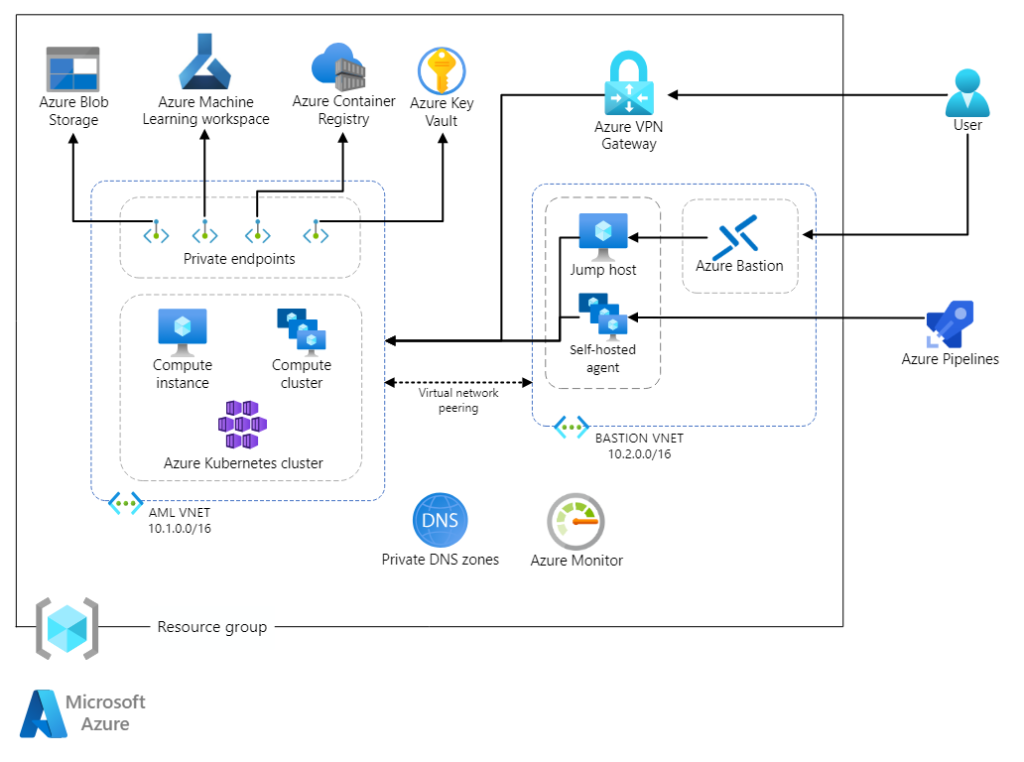
Implementing MLOps for security operations requires careful planning and coordination. The following steps can help organizations get started:
Step 1: Identify Use Cases
The first step in implementing MLOps for security operations is to identify the use cases that will benefit most from machine learning. This could include threat detection, incident response, or vulnerability management, among others.
Step 2: Collect Data
Machine learning models rely on large amounts of high-quality data in order to be effective. Organizations must therefore collect and prepare data that is relevant to their specific use case.
Step 3: Train Models
Once data has been collected, machine learning models can be trained using a variety of algorithms. Organizations should carefully evaluate different algorithms and choose the ones that are best suited to their use case.
Step 4: Deploy Models
Deploying machine learning models requires careful integration with existing security operations processes. This may involve the use of APIs or other integration methods.
Step 5: Monitor and Evaluate
Finally, organizations must continuously monitor and evaluate the performance of their machine learning models. This includes evaluating accuracy, identifying false positives and false negatives, and making adjustments as needed.
Conclusion
MLOps has the potential to revolutionize security operations by allowing organizations to detect and respond to threats more quickly and accurately. By carefully planning and implementing MLOps, organizations can improve their security posture and keep pace with ever-evolving threats.
