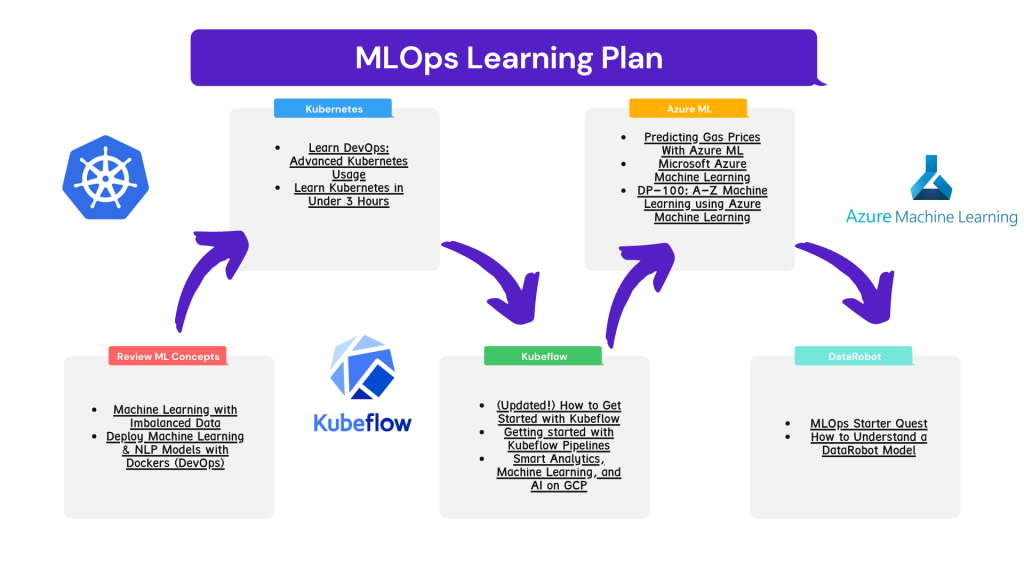
Are you tired of hearing buzzwords like MLOps, but not really knowing what they mean or how they can benefit your organization? If so, you’re not alone. MLOps is a relatively new concept, and it can be difficult to know where to start.
In this article, we’ll explore the roadmap of MLOps – the journey that organizations take to implement MLOps effectively. We’ll cover everything from the basics of MLOps to the advanced techniques that can take your organization to the next level. So, grab a cup of coffee and settle in – we’ve got a lot to cover.
What is MLOps?
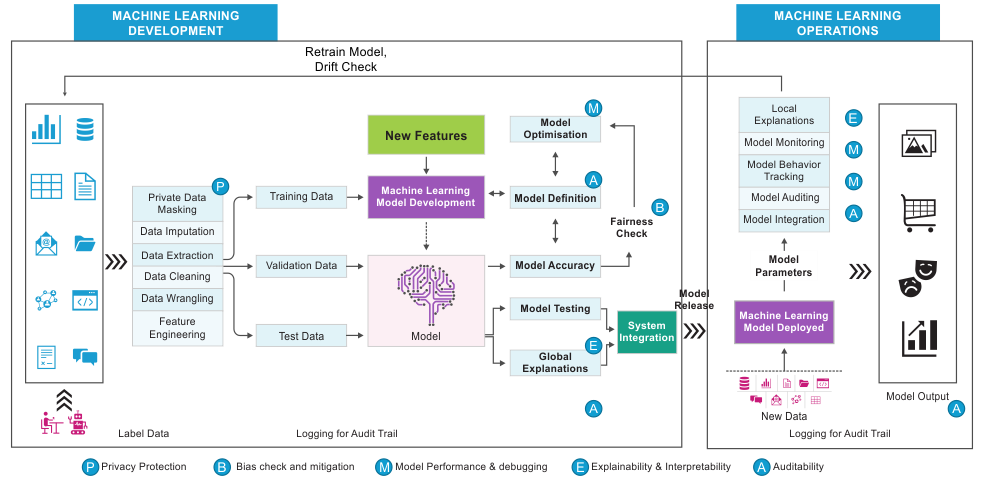
Before we dive into the roadmap, it’s important to understand what MLOps is. MLOps is short for Machine Learning Operations, and it refers to the process of managing the entire lifecycle of a machine learning model. This includes everything from data preparation to model training, deployment, monitoring, and retraining.
MLOps is a relatively new concept that has emerged as more organizations have started to adopt machine learning. It brings together the best practices from DevOps, data engineering, and machine learning to create a streamlined process for managing machine learning models.
The Roadmap of MLOps
Now that we have a basic understanding of what MLOps is, let’s dive into the roadmap.
Step 1: Define Your Goals
The first step in any MLOps journey is to define your goals. What do you want to achieve with machine learning? Do you want to improve accuracy, reduce costs, or increase efficiency? Once you have a clear understanding of your goals, you can start to develop a plan to achieve them.
Step 2: Build Your Team
The next step is to build your MLOps team. This should include data scientists, data engineers, and DevOps engineers. Each member of the team will play a critical role in the MLOps process, so it’s important to find people who are experienced in their respective fields.
Step 3: Establish a Data Pipeline
The data pipeline is the backbone of any machine learning project. It’s where data is collected, cleaned, and transformed before it’s fed into the machine learning model. Establishing a data pipeline is a critical step in the MLOps roadmap, as it ensures that the model is trained on high-quality data.
Step 4: Build and Train Your Model
Once you have a data pipeline in place, it’s time to build and train your machine learning model. This is where the data scientists come in – they will select the appropriate algorithms, tune the hyperparameters, and train the model.
Step 5: Deploy Your Model
Once your model is trained, it’s time to deploy it. This is where the DevOps engineers come in – they will create a deployment pipeline that automates the process of deploying the model to production. This ensures that your model is deployed quickly and reliably.
Step 6: Monitor Your Model
Deploying your model is just the beginning – it’s important to monitor it to ensure that it’s performing as expected. This includes monitoring the model’s accuracy, performance, and resource usage. If there are any issues, the DevOps engineers will need to troubleshoot and fix them.
Step 7: Retrain Your Model
Finally, it’s important to retrain your model on a regular basis. This ensures that your model stays up-to-date and continues to provide accurate predictions. The data scientists will be responsible for selecting new data and retraining the model, while the DevOps engineers will need to update the deployment pipeline to deploy the new model.
Conclusion
MLOps is a complex process that requires a team of experts to manage effectively. By following the roadmap we’ve outlined in this article, you can ensure that your organization is on the right track to implementing MLOps successfully. Remember to define your goals, build your team, establish a data pipeline, build and train your model, deploy your model, monitor your model, and retrain your model on a regular basis.
Now, go forth and conquer MLOps!
