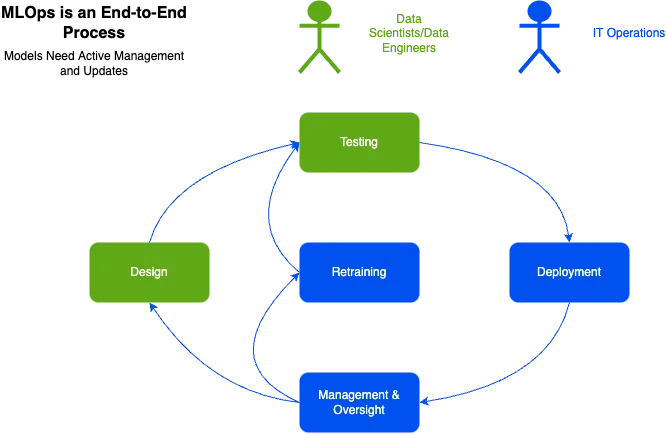
As an MLOps engineer, you’re probably used to wearing many hats. From coding to testing to deployment, your days are filled with a wide range of tasks that require a diverse set of skills. But what exactly does a day in the life of an MLOps engineer look like? In this blog post, we’ll take a deep dive into the daily work of an MLOps engineer and explore the various tasks and responsibilities that come with the job.
Starting the Day: Checking and Responding to Emails
Like most professionals, MLOps engineers start their day by checking their emails. This is an essential part of the job as it ensures that you’re up-to-date with any issues or updates that may have arisen overnight. As an MLOps engineer, you’ll be expected to respond to any urgent issues promptly and also prioritize your workload for the day.
Collaborating with Data Scientists
MLOps engineers work closely with data scientists to ensure that their models are deployed and running smoothly. They also collaborate on building new models from scratch and testing them. This collaboration requires excellent communication skills, as you’ll need to share technical information in a way that’s easily understandable for both parties.
Building and Deploying Models
Building and deploying models is a crucial part of an MLOps engineer’s job. This process involves taking data science models and writing the code that makes them operational in a production environment. You’ll need to ensure that models are scalable, reliable, and efficient to run.
Monitoring and Troubleshooting
Once models are deployed, MLOps engineers need to monitor and troubleshoot them regularly. This involves identifying any issues or glitches that may arise and fixing them as quickly as possible. You’ll also need to keep an eye on the performance of models to ensure that they’re running efficiently.
Continuous Integration and Continuous Deployment (CI/CD)
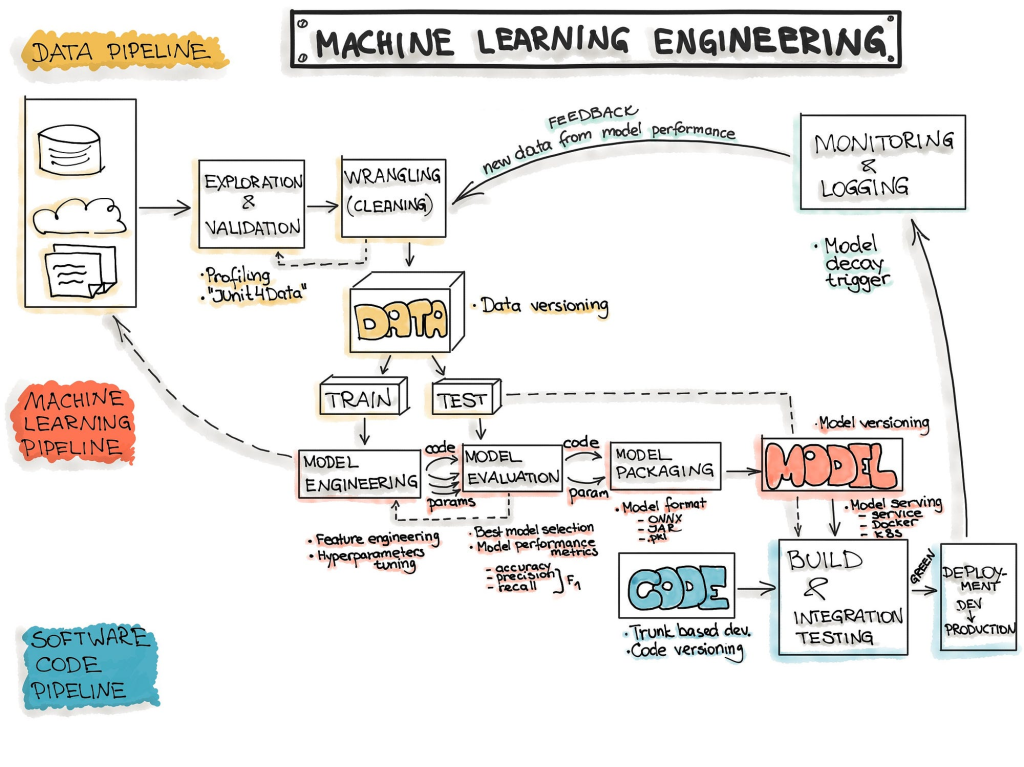
Continuous Integration and Continuous Deployment (CI/CD) is an essential part of the MLOps engineer’s job. This process involves automating the build, test, and deployment of models to ensure that they’re always up-to-date and running smoothly. You’ll need to have a strong understanding of DevOps principles to be successful in this part of the job.
Documentation
MLOps engineers are responsible for documenting their work thoroughly. This includes writing technical documentation, creating diagrams, and keeping detailed records of any changes made to models or code. This documentation is essential for future reference and for sharing information with other members of the team.
Conclusion
As you can see, the daily work of an MLOps engineer is varied and challenging. From building and deploying models to monitoring and troubleshooting, there’s never a dull moment. To be successful in this career, you’ll need to have a diverse set of skills, including strong communication skills, a deep understanding of DevOps principles, and the ability to work collaboratively with data scientists. So, if you’re up for the challenge, then a career as an MLOps engineer may be right for you!
