Are you struggling with managing the vast amount of data your organization collects? Are you tired of dealing with constant errors and delays in data processing? If your answer is yes, then it’s time to implement DataOps.
DataOps is a methodology that combines agile development practices with data management to streamline the entire data lifecycle. With DataOps, you’ll be able to automate data processing, reduce errors, and ensure data quality.
In this article, we’ll discuss how to implement DataOps in your organization. So, grab a cup of coffee and let’s dive in!
Understanding DataOps
Before we go into the details of implementing DataOps, let’s first understand what it is.
DataOps is a collaborative approach to data management that involves cross-functional teams working together to improve the quality and speed of data processing. It’s based on the principles of agile development and DevOps, which means it focuses on automation, collaboration, and continuous improvement.
The main goal of DataOps is to reduce the time it takes to move data from source to destination while ensuring data quality. It involves using tools and techniques to automate the entire data lifecycle, from data ingestion to data delivery.
Benefits of DataOps
Implementing DataOps can bring several benefits to your organization, including:
- Faster time to market: With DataOps, you’ll be able to process data faster and deliver insights to your stakeholders in a timely manner.
- Improved data quality: DataOps ensures that your data is accurate, complete, and consistent, which improves the quality of your insights.
- Reduced errors: By automating data processing, you’ll be able to reduce the number of errors that occur during data ingestion, transformation, and delivery.
- Increased collaboration: DataOps encourages cross-functional teams to work together, which improves collaboration and knowledge sharing.
Steps to Implement DataOps
Now that you understand what DataOps is and its benefits, let’s discuss how to implement it in your organization. Here are the steps you need to follow:
Step 1: Define your DataOps team
The first step in implementing DataOps is to define your DataOps team. Your team should include members from different departments, such as IT, data science, and business. This cross-functional team will work together to implement DataOps practices and ensure that data is managed efficiently.
Step 2: Assess your current data infrastructure
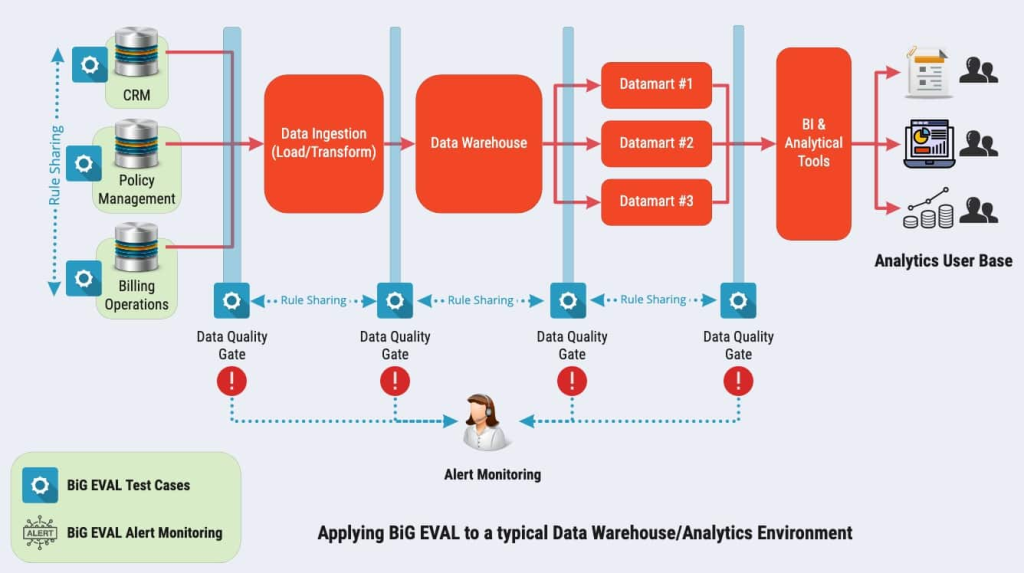
The next step is to assess your current data infrastructure. You need to understand how data is currently ingested, transformed, and delivered. This will help you identify areas that need improvement and determine the tools and techniques you need to implement DataOps.
Step 3: Implement DataOps tools and techniques
Once you have identified areas that need improvement, it’s time to implement DataOps tools and techniques. This includes:
- Automating data processing: Use tools like Apache NiFi, Apache Airflow, or AWS Glue to automate data ingestion, transformation, and delivery.
- Implementing version control: Use tools like Git to manage changes to your data pipelines.
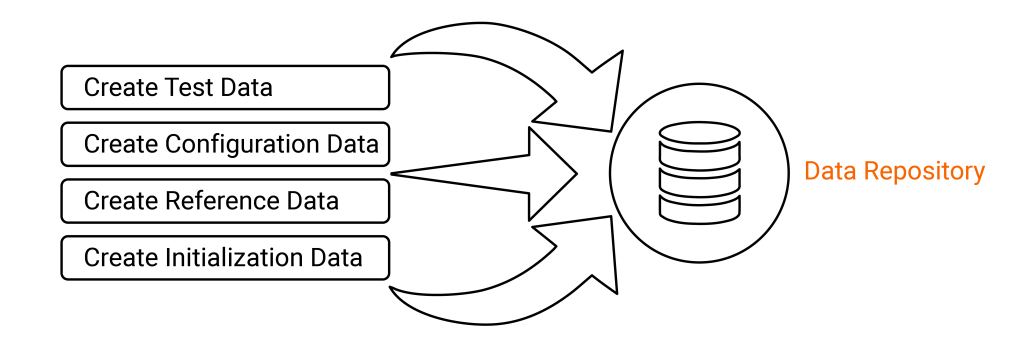
- Creating test suites: Develop test suites to ensure that data is accurate, complete, and consistent.
- Monitoring data: Use tools like Elasticsearch, Logstash, and Kibana (ELK) to monitor data processing and identify errors.
Step 4: Continuous improvement
The final step in implementing DataOps is continuous improvement. DataOps is a continuous process, which means you need to continuously monitor and improve your data infrastructure. This includes:
- Conducting regular audits: Conduct regular audits to ensure that your data infrastructure is working as expected.
- Analyzing performance metrics: Use performance metrics to identify areas that need improvement.
- Implementing feedback loops: Implement feedback loops to ensure that your DataOps team is continuously improving.
Conclusion
Implementing DataOps can be a game-changer for your organization. By automating data processing, reducing errors, and improving data quality, you’ll be able to deliver insights to your stakeholders faster and more efficiently.
Follow the steps outlined in this article to implement DataOps in your organization. Remember, DataOps is a continuous process, so make sure you continuously monitor and improve your data infrastructure. Good luck!
