Data governance has become a critical component of any organization’s digital strategy. It ensures data quality, security, and compliance, while enabling data-driven decision-making. DataOps, on the other hand, is a set of practices that combine software engineering principles with data management to streamline data pipelines.
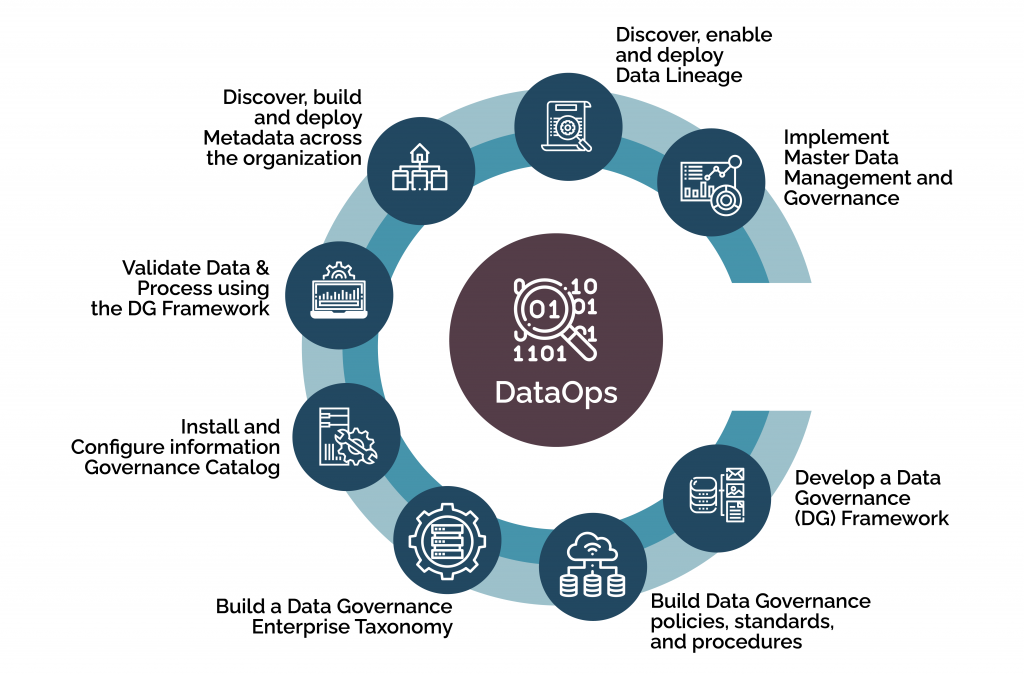
Understanding Data Governance and DataOps
Data Governance is a framework of processes, roles, policies, standards, metrics, and related tools that govern and manage the availability, usability, integrity, and security of the data in enterprise systems.
DataOps is a cultural and technical movement that aims to increase the speed and quality of data delivery. It combines DevOps practices with data engineering to automate data pipelines, improve collaboration, and reduce time to market.
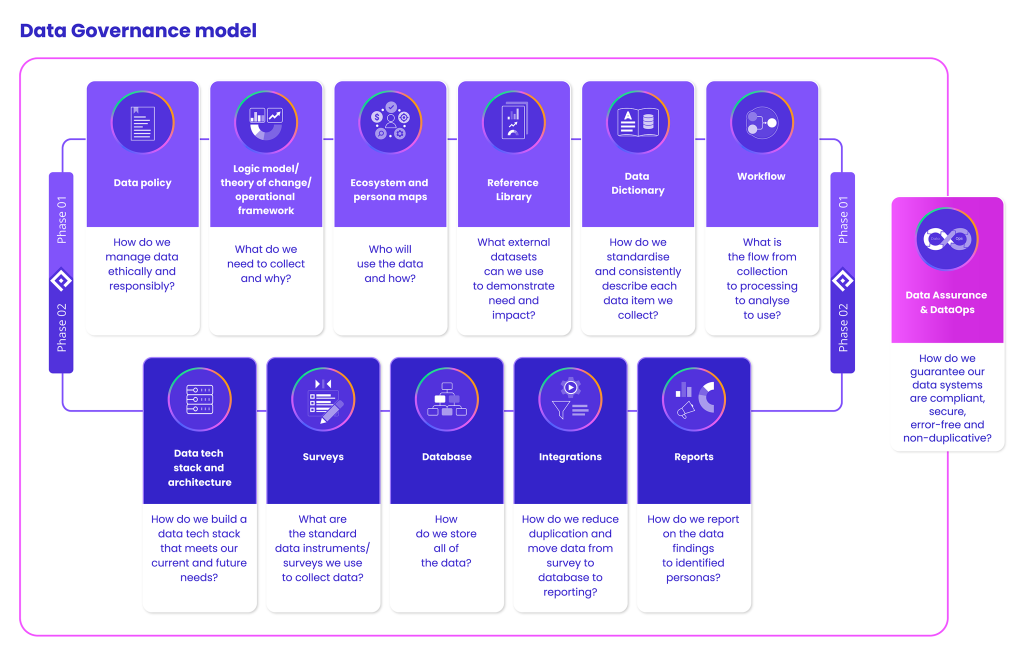
The Synergy Between Data Governance and DataOps
- Enhanced Data Quality: DataOps practices like automated testing and monitoring can help identify and address data quality issues early in the data pipeline.
- Improved Data Security: DataOps can help implement robust security measures, such as encryption and access controls, to protect sensitive data.
- Accelerated Data Delivery: By automating data pipelines and streamlining processes, DataOps can significantly reduce the time it takes to deliver data to consumers.
- Increased Data Trust: Data governance ensures that data is accurate, reliable, and compliant with regulations. This increased trust can lead to better decision-making and increased adoption of data-driven insights.
- Better Collaboration: DataOps promotes collaboration between data engineers, data scientists, and business analysts, leading to more efficient and effective data projects.
Implementing DataOps for Enhanced Data Governance
Here are some key steps to implement DataOps for enhanced data governance:
- Establish Clear Data Governance Policies:
- Define clear data ownership and accountability.
- Develop data quality standards and metrics.
- Implement data security and privacy policies.
- Automate Data Pipelines:
- Use tools like dbt, Apache Airflow, or Luigi to automate data ingestion, transformation, and loading.
- Implement CI/CD pipelines for data pipelines.
- Implement Data Quality Monitoring:
- Set up data quality checks and alerts.
- Use data profiling tools to identify data quality issues.
- Implement data lineage tracking to understand data flow.
- Foster a Data-Driven Culture:
- Encourage data literacy and data-driven decision-making.
- Provide training and education on data governance and DataOps practices.
- Establish a data governance committee to oversee data policies and standards.
- Leverage DataOps Tools and Technologies:
- Use data catalog tools to manage data assets.
- Implement data virtualization tools to provide a unified view of data.
- Use data orchestration tools to automate data pipelines.
Conclusion
By combining DataOps and Data Governance, organizations can unlock the full potential of their data. This synergistic approach can lead to improved data quality, increased agility, and better decision-making. By implementing these practices, organizations can build a strong foundation for data-driven success.
