Are you tired of managing your data operations in a tedious and time-consuming way? Do you want to streamline your data management process while improving the accuracy and efficiency of your operations? Look no further than ChatGPT.
What is DataOps?
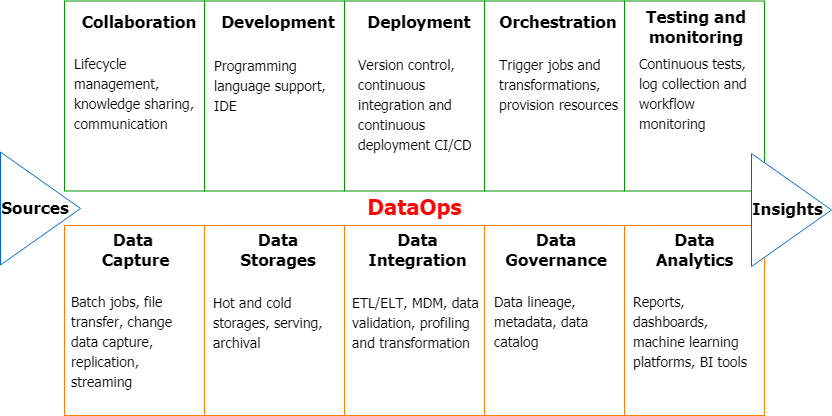
Before we dive into how ChatGPT can help you with your data operations, let’s first define what DataOps is. DataOps is a methodology that combines the principles of DevOps, Agile, and Lean to streamline the data management process. Its focus is on collaboration, automation, and continuous improvement to deliver high-quality data insights faster.
Why Use ChatGPT for DataOps?
ChatGPT is a powerful tool that can help you implement DataOps in a more efficient and effective way. Here are some of the benefits of using ChatGPT for your data operations:
1. Automation
ChatGPT can automate many of the tasks involved in data operations, such as data cleaning, data integration, and data validation. This can save you time and reduce the risk of errors.
2. Collaboration
ChatGPT allows you to collaborate with your team members in real-time. You can share data, insights, and feedback to improve the quality of your data operations.
3. Continuous Improvement
ChatGPT can help you continuously improve your data operations by providing real-time feedback and insights. You can use this information to make data-driven decisions and improve the efficiency of your operations.
How to Implement DataOps Using ChatGPT
Now that we’ve established the benefits of using ChatGPT for DataOps, let’s go over how to implement it. Here are the steps to follow:
1. Identify Your Data Operations Goals
The first step in implementing DataOps using ChatGPT is to identify your data operations goals. What are you trying to accomplish with your data operations? What metrics are you using to measure success? Once you have these goals in mind, you can start to think about how ChatGPT can help you achieve them.
2. Analyze Your Data
The next step is to analyze your data. This involves cleaning, integrating, and validating your data to ensure its quality and accuracy. ChatGPT can help you automate many of these tasks, saving you time and reducing the risk of errors.
3. Collaborate with Your Team
Collaboration is key in DataOps. ChatGPT allows you to collaborate with your team members in real-time. You can share data, insights, and feedback to improve the quality of your data operations.
4. Continuously Improve Your Operations
Finally, it’s important to continuously improve your data operations. ChatGPT can help you do this by providing real-time feedback and insights. You can use this information to make data-driven decisions and improve the efficiency of your operations.
Conclusion
In conclusion, ChatGPT is a powerful tool that can help you implement DataOps in a more efficient and effective way. By automating tasks, collaborating with your team, and continuously improving your operations, you can streamline your data management process while improving the accuracy and efficiency of your operations. So why not give ChatGPT a try and see how it can help you with your data operations?
