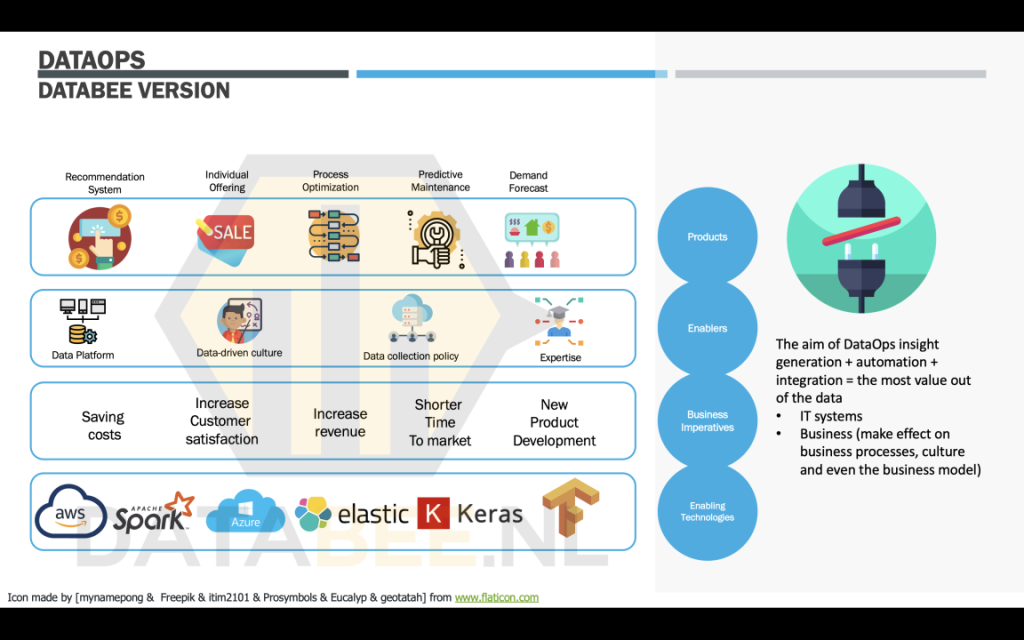
Are you curious about how Elastic is using DataOps in monitoring and observability? Well, you’re in luck because we’ve got the insider scoop on this topic! In this blog post, we’ll explore how Elastic is leveraging DataOps to improve monitoring and observability and why this is so important.
What is DataOps?
Before we dive into how Elastic is using DataOps, let’s first define what it is. DataOps is a methodology that combines data management, data integration, and data quality to improve the flow of data across an organization. It’s essentially DevOps for data.
Why is DataOps Important for Monitoring and Observability?
Monitoring and observability are critical components of modern software development. They help teams gain visibility into their applications and infrastructure, allowing them to quickly identify and resolve issues. However, traditional monitoring and observability tools can be limited in their ability to handle the volume and variety of data generated by modern applications.
This is where DataOps comes in. By applying DataOps principles to monitoring and observability, teams can improve the quality and reliability of their data, making it easier to analyze and act upon.
How Elastic is Using DataOps in Monitoring and Observability
Elastic is a company that provides a suite of open-source software solutions for search, logging, security, and analytics. They’ve been at the forefront of the DevOps movement, and they’re now applying the same principles to data with DataOps.
One way Elastic is using DataOps in monitoring and observability is by leveraging the Elastic Stack. The Elastic Stack is a collection of open-source software tools that can be used for logging, metrics, and APM (Application Performance Monitoring). By using the Elastic Stack, teams can collect and analyze data from a variety of sources, including applications, infrastructure, and user behavior.
To ensure the quality and reliability of this data, Elastic is using DataOps principles to build and maintain their monitoring and observability pipelines. This includes automating data validation and testing, using version control for configuration files, and ensuring that data is properly tagged and labeled.
The Benefits of Using DataOps in Monitoring and Observability
So why should you care about DataOps in monitoring and observability? Well, there are several benefits to using this methodology, including:
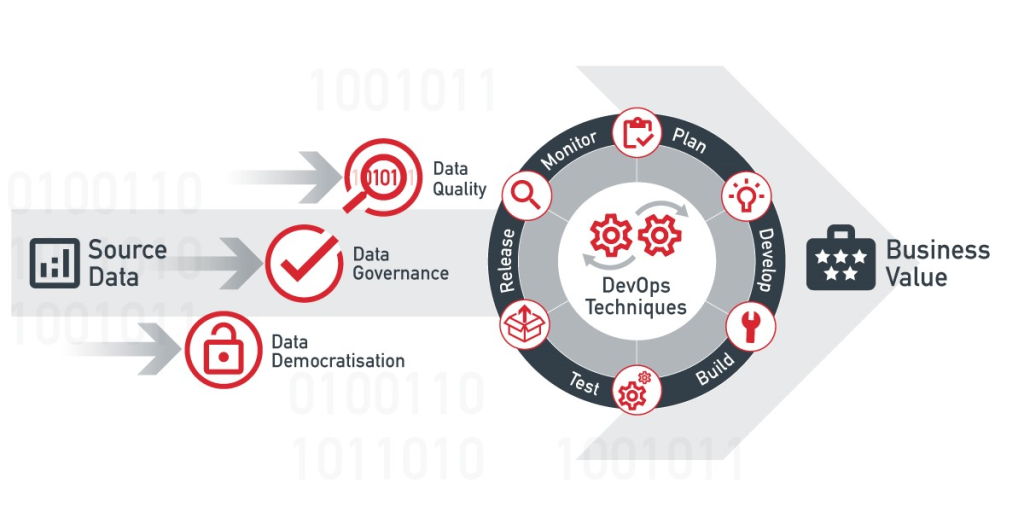
- Improved data quality: By applying DataOps principles to monitoring and observability, teams can ensure that their data is accurate, consistent, and reliable.
- Faster time to resolution: With better quality data, teams can quickly identify and resolve issues, reducing downtime and improving the user experience.
- Scalability: Traditional monitoring and observability tools can struggle to handle the volume and variety of data generated by modern applications. By using DataOps, teams can build pipelines that are scalable and can handle large volumes of data.
- Increased collaboration: DataOps promotes collaboration between teams, allowing for better communication and more efficient problem-solving.
Conclusion
In conclusion, Elastic is using DataOps in monitoring and observability to improve the quality and reliability of their data. By applying DataOps principles to their pipelines, they’re able to quickly identify and resolve issues, reduce downtime, and improve the user experience. If you’re interested in improving your monitoring and observability, consider adopting DataOps principles in your own organization.
