Are you interested in MLOps but don’t know where to start? Don’t worry, you’re not alone! MLOps, or Machine Learning Operations, is a complex and ever-evolving field that can be overwhelming for beginners. However, with the right approach and mindset, you can start your MLOps journey and become a pro in no time. In this article, we’ll discuss some tips and tricks to help you get started.
What is MLOps?
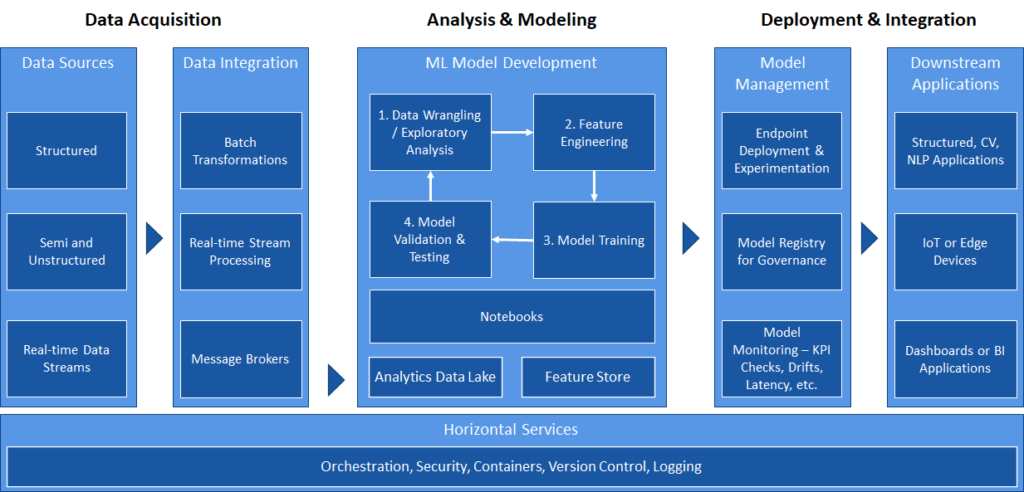
Before we dive into the tips, let’s first define what MLOps is. MLOps is the practice of applying DevOps principles to the machine learning lifecycle. It involves automating the deployment, monitoring, and scaling of machine learning models in production environments. MLOps is crucial for ensuring that machine learning models are reliable, scalable, and maintainable.
Tip #1: Learn the Basics
The first step to starting your MLOps journey is to learn the basics. This includes understanding the machine learning lifecycle, the different types of machine learning models, and the tools and technologies used in MLOps. There are plenty of online resources available to help you learn the basics, including blogs, tutorials, and online courses.
Tip #2: Practice, Practice, Practice
Once you’ve learned the basics, the next step is to practice. The best way to learn MLOps is to get your hands dirty and start building projects. This will help you gain practical experience and develop a deeper understanding of the concepts. Start with simple projects and gradually work your way up to more complex ones.
Tip #3: Collaborate with Others
MLOps is a team sport, and collaboration is key to success. Collaborating with other data scientists, machine learning engineers, and DevOps professionals can help you learn new skills and techniques, and gain valuable insights into the field. Join online communities, attend meetups and conferences, and participate in hackathons to network with other professionals in the field.
Tip #4: Automate Everything
Automation is a core principle of MLOps. Automating the deployment, testing, and monitoring of machine learning models can save time and reduce errors. There are plenty of tools and frameworks available to help you automate your MLOps workflow, including Kubeflow, MLflow, and TensorFlow Extended.
Tip #5: Embrace Continuous Learning
MLOps is a rapidly evolving field, and there’s always something new to learn. Embracing continuous learning is crucial for staying up-to-date with the latest tools and techniques. Attend conferences and meetups, read blogs and articles, and take online courses to stay informed.
Tip #6: Don’t Be Afraid to Fail
Finally, don’t be afraid to fail. Failure is a natural part of the learning process, and it’s how we grow and improve. If you encounter challenges along the way, don’t give up. Instead, embrace them as opportunities to learn and grow.
In conclusion, starting your MLOps journey can be daunting, but it doesn’t have to be. By following these tips and maintaining a positive attitude, you can become a successful MLOps professional in no time. Remember to keep learning, collaborating, and practicing, and most importantly, don’t be afraid to fail. Happy learning!
