
Are you tired of constantly firefighting and reacting to incidents in your IT infrastructure? As a Site Reliability Engineer (SRE), you know that prevention is better than cure. That’s where DataOps comes in.
What is DataOps?
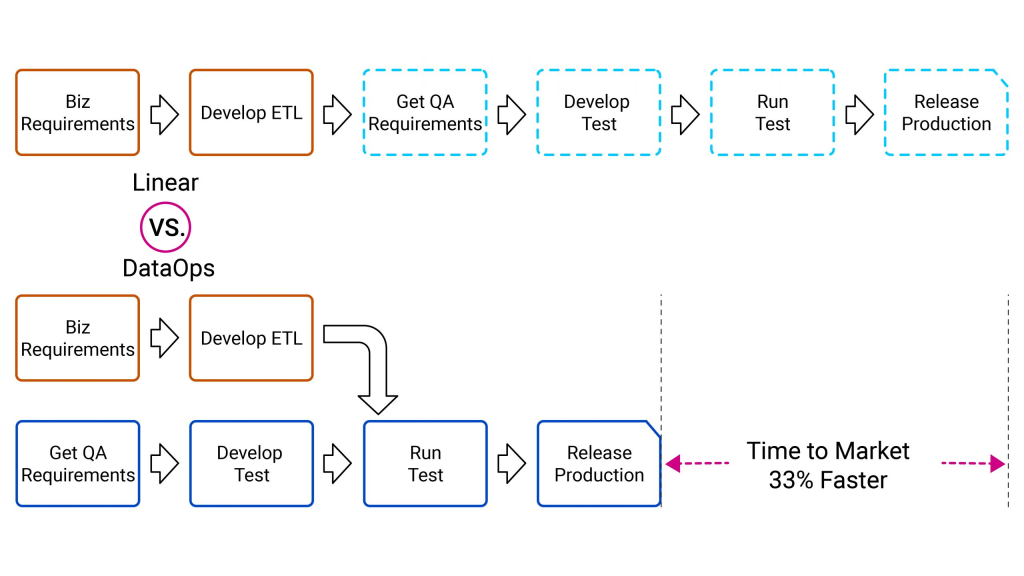
DataOps is a methodology that emphasizes collaboration, communication, and automation to improve the flow of data between teams. It brings together the principles of DevOps and Agile to create a data-driven culture that enables faster and more effective decision-making.
How Can DataOps Help SRE?
As an SRE, you are responsible for ensuring the reliability, availability, and performance of your organization’s IT infrastructure. By leveraging DataOps, you can:
1. Proactively Monitor Your Infrastructure
With DataOps, you can collect and analyze data from various sources, including logs, metrics, and traces. This allows you to identify potential issues before they escalate into full-blown incidents.
2. Automate Remediation
DataOps enables you to automate the remediation of common issues, such as resource exhaustion and network congestion. This frees up your time to focus on more complex problems that require human intervention.
3. Improve Incident Response
DataOps provides real-time visibility into your infrastructure, enabling you to quickly detect and respond to incidents. By automating incident response, you can reduce Mean Time to Repair (MTTR) and minimize the impact of incidents on your users.
4. Optimize Capacity Planning
DataOps enables you to forecast resource usage and plan for capacity based on historical trends and future projections. This ensures that you have the right resources in place to meet the demands of your users.
How to Implement DataOps in SRE?
Implementing DataOps in SRE requires a cultural shift as well as technical changes. Here are some steps to get started:
1. Foster a Data-Driven Culture
To implement DataOps, you need to foster a culture that values data and encourages collaboration between teams. This requires buy-in from senior leadership and clear communication about the benefits of DataOps.
2. Define Data Standards and Processes
To effectively collect and analyze data, you need to define standards and processes for data collection, storage, and analysis. This includes defining data sources, data formats, and data retention policies.
3. Implement Data Collection and Analysis Tools
To collect and analyze data, you need to implement tools that can ingest data from various sources and provide real-time analytics. This includes tools such as Logstash, Elasticsearch, and Kibana.
4. Automate Remediation and Incident Response
To automate remediation and incident response, you need to implement tools that can automatically detect and respond to common issues. This includes tools such as Kubernetes, Ansible, and Terraform.
5. Continuously Improve and Iterate
DataOps is an iterative process that requires continuous improvement and iteration. This includes monitoring and analyzing metrics to identify areas for improvement and implementing changes based on those insights.
Conclusion
In conclusion, DataOps is a powerful methodology that can help SREs proactively monitor their infrastructure, automate remediation, improve incident response, and optimize capacity planning. By implementing DataOps, SREs can create a data-driven culture that enables faster and more effective decision-making. So, what are you waiting for? Start implementing DataOps in your SRE practice today!
