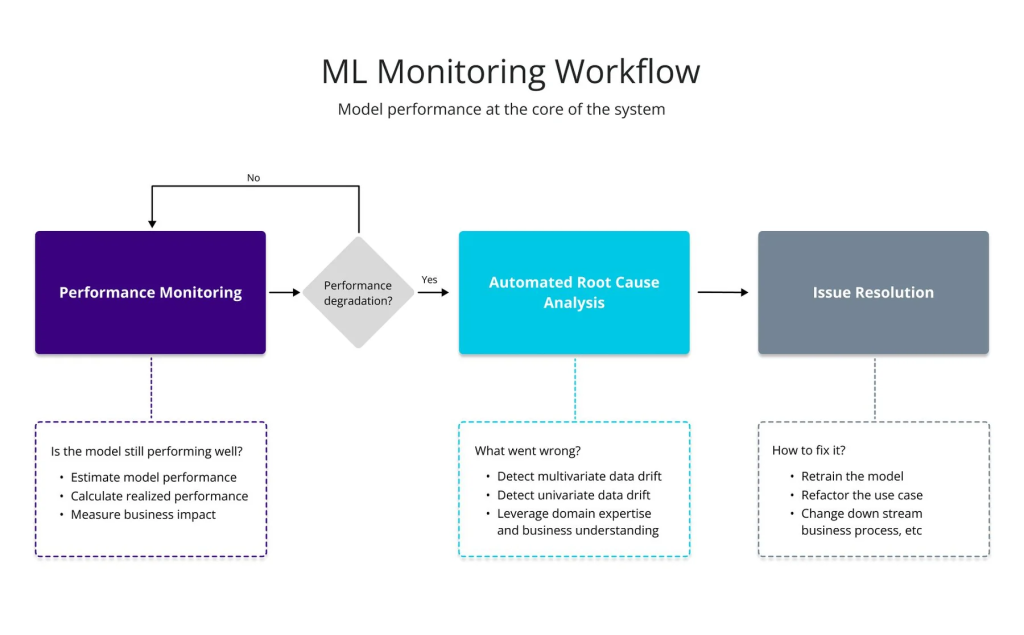
Are you struggling to identify the root cause of issues in your machine learning models? Look no further than MLOps!
MLOps, or Machine Learning Operations, is the practice of applying DevOps principles to the machine learning model building process. By implementing MLOps, you can automate and streamline the process of building, training, deploying, and monitoring your models. But MLOps can also be used for root cause analysis, helping you quickly identify and address issues with your models.
In this article, we’ll explore how to use MLOps for root cause analysis, including the tools and techniques you’ll need to get started.
What is Root Cause Analysis?
Before we dive into MLOps, let’s first define what we mean by root cause analysis. Root cause analysis is the process of identifying the underlying cause of a problem or issue. In the context of machine learning, root cause analysis involves identifying the root cause of issues with your models, such as poor performance, inaccurate predictions, or biased results.
By identifying the root cause of these issues, you can take targeted actions to address them and improve the overall performance of your models.
How MLOps Can Help with Root Cause Analysis
MLOps can be incredibly useful for root cause analysis because it provides a framework for tracking and managing the entire machine learning model building process. This includes:
- Version control: MLOps tools enable you to track changes to your models over time, making it easier to identify when and where issues may have arisen.
- Automated testing: MLOps tools can also automate the testing of your models, allowing you to quickly identify when something is not working as expected.
- Monitoring: MLOps tools can monitor the performance of your models in production, alerting you to issues as they arise.
By leveraging these tools, you can quickly identify the root cause of issues with your models and take targeted actions to address them.
Getting Started with MLOps for Root Cause Analysis
To get started with MLOps for root cause analysis, you’ll need to implement a few key practices:
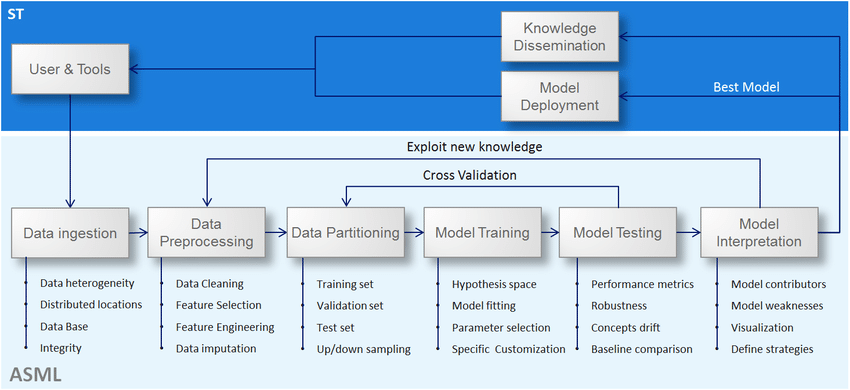
1. Establish a Version Control System
The first step in using MLOps for root cause analysis is to establish a version control system for your machine learning models. This will enable you to track changes to your models over time and identify when and where issues may have arisen.
One popular version control system for machine learning is Git. By using Git, you can track changes to your models, collaborate with other team members, and easily revert to previous versions if needed.
2. Implement Automated Testing
Automated testing is another key practice for using MLOps for root cause analysis. By automating testing, you can quickly identify when something is not working as expected and pinpoint the root cause of the issue.
There are a variety of automated testing tools available for machine learning, including:
- Unit tests: These tests check individual components of your model to ensure they are working as expected.
- Integration tests: These tests check how different components of your model interact with each other.
- Acceptance tests: These tests check the overall performance of your model against a set of predefined metrics.
By implementing these testing practices, you can ensure that your models are working as expected and quickly identify any issues that arise.
3. Monitor Performance in Production
Finally, it’s important to monitor the performance of your models in production to identify any issues as they arise. This can be done using a variety of monitoring tools, such as:
- Log monitoring: This involves monitoring the logs generated by your model to identify any errors or issues.
- Performance monitoring: This involves monitoring the performance of your model in production against predefined metrics.
By monitoring your models in production, you can quickly identify any issues and take targeted actions to address them.
Conclusion
MLOps is an incredibly powerful tool for root cause analysis in machine learning. By leveraging version control, automated testing, and monitoring, you can quickly identify and address issues with your models, improving their overall performance and accuracy.
So if you’re struggling to identify the root cause of issues with your models, consider implementing MLOps practices to streamline the process and get back on track.
