Implementing DataOps in an organization can have numerous benefits. DataOps is a set of practices that aims to improve the speed, quality, and reliability of data analytics and data science initiatives. By adopting DataOps, organizations can experience benefits such as improved collaboration, increased efficiency, and enhanced decision-making capabilities. Here are the top 10 benefits of implementing DataOps in your organization.
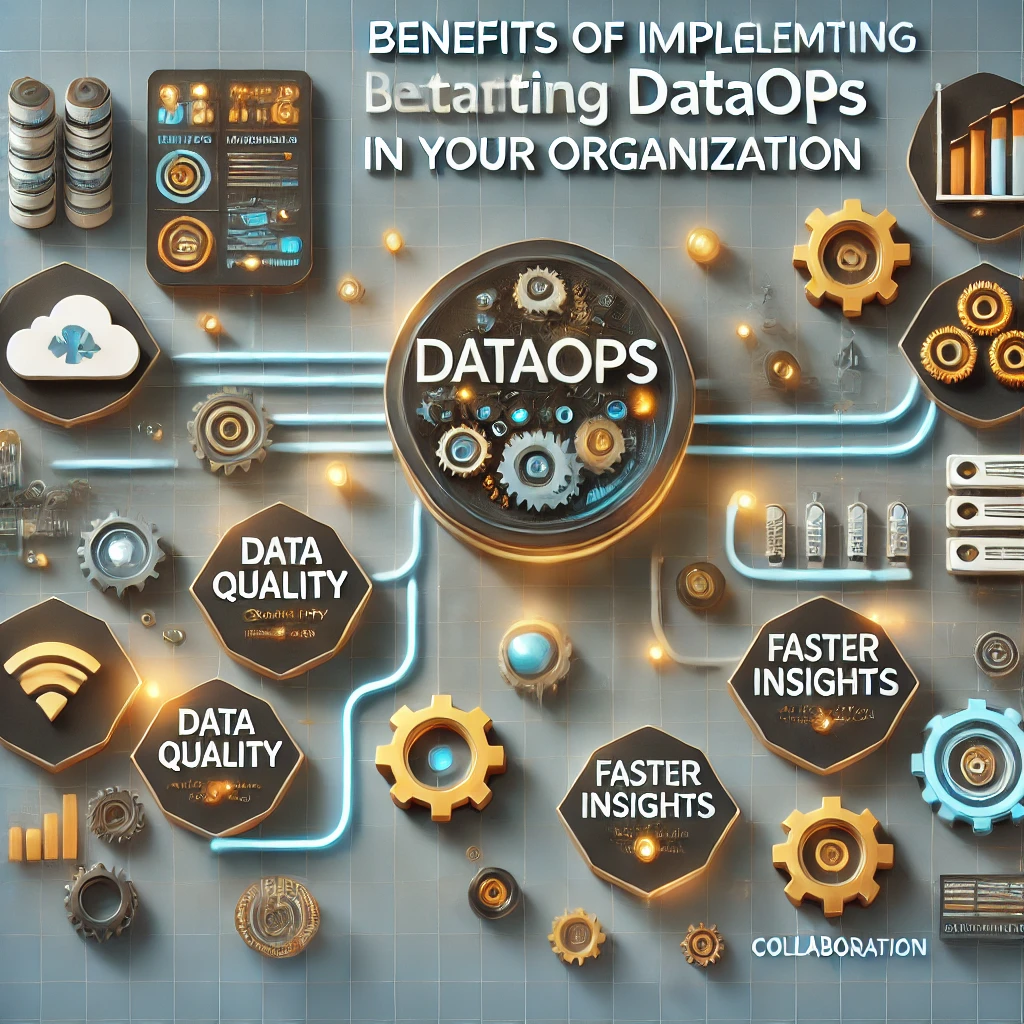
Top 10 benefits of implementing DataOps
1. Improved Data Quality
DataOps focuses on continuous testing and monitoring of data pipelines, ensuring that data is accurate, consistent, and reliable. This reduces errors and data discrepancies, leading to higher confidence in the data used for decision-making.
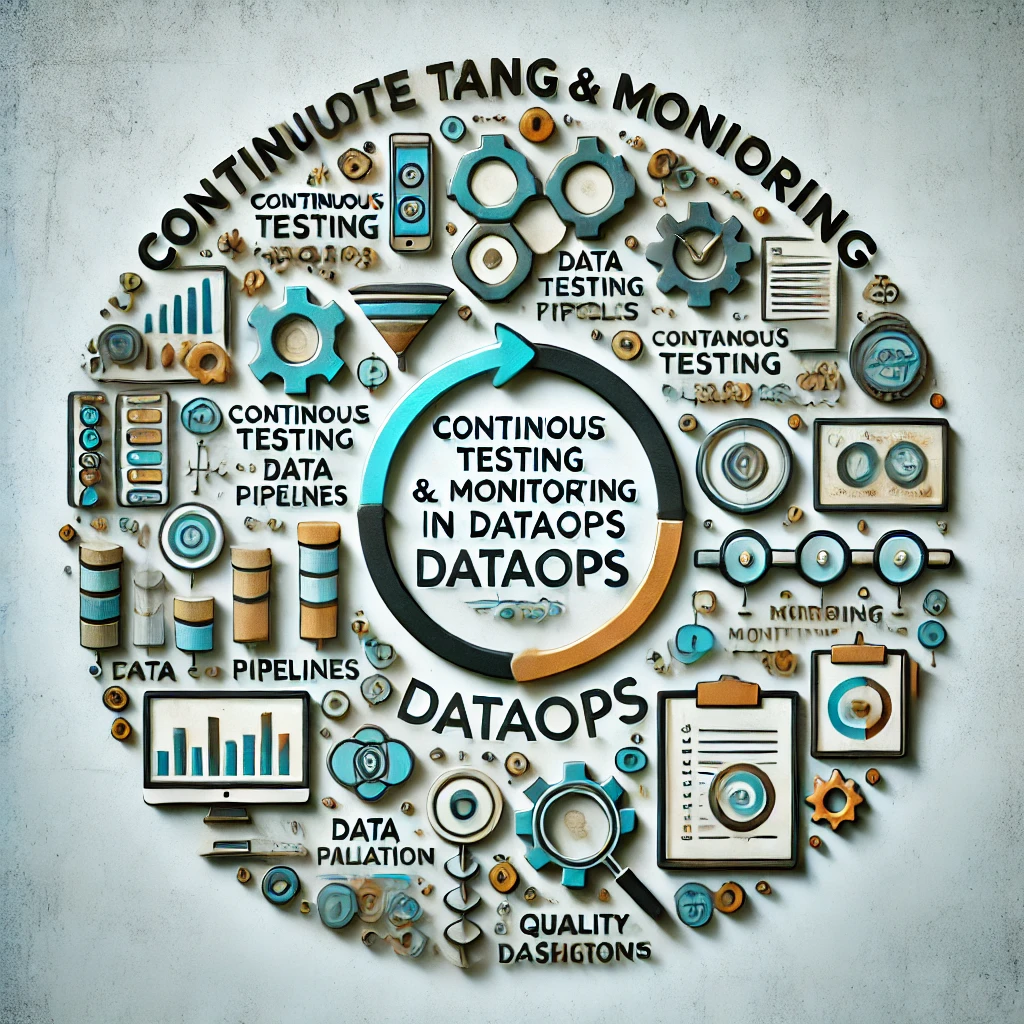
2. Faster Time to Insights
By automating and streamlining data processes, DataOps reduces the time it takes to get from raw data to actionable insights. Organizations can respond more quickly to market changes and make timely decisions, giving them a competitive advantage.

3. Enhanced Collaboration
DataOps fosters a culture of collaboration between data engineers, data scientists, and operations teams. This cross-functional collaboration breaks down silos, improves communication, and aligns everyone towards common data-driven goals.

4. Increased Agility
In a fast-paced business environment, agility is crucial. DataOps enables organizations to adapt quickly to changing data requirements and business needs. It allows for the rapid deployment of new data features, models, and reports, keeping the organization agile and responsive.
5. Scalability
As organizations grow, so does their data. DataOps supports the scalability of data operations by automating processes and enabling the efficient handling of large volumes of data. This ensures that data pipelines and processes can scale alongside the business.
6. Cost Efficiency
By automating repetitive tasks and optimizing data processes, DataOps reduces the need for manual intervention, thereby cutting down on labor costs. Additionally, it helps in identifying inefficiencies in data workflows, leading to cost savings.

7. Better Data Governance
DataOps emphasizes transparency, accountability, and traceability in data management. This leads to better data governance practices, ensuring that data is compliant with regulations and that there is a clear understanding of data lineage and ownership.
8. Continuous Improvement
DataOps is built on the principles of continuous integration and continuous delivery (CI/CD). This means that data processes are constantly being improved and optimized, leading to ongoing enhancements in data quality, performance, and efficiency.
9. Risk Mitigation
With automated testing, monitoring, and validation, DataOps helps in identifying and mitigating risks associated with data errors, breaches, and compliance issues. This proactive approach reduces the likelihood of costly data-related incidents.
10. Empowered Data Teams
Finally, DataOps empowers data teams by providing them with the tools and processes they need to be more productive and efficient. It allows them to focus on higher-value tasks such as data analysis and innovation rather than getting bogged down by manual processes.
Conclusion
Implementing DataOps in your organization can lead to significant improvements in data quality, agility, collaboration, and cost efficiency. By adopting this methodology, you not only streamline your data operations but also unlock the full potential of your data, driving better business outcomes.
