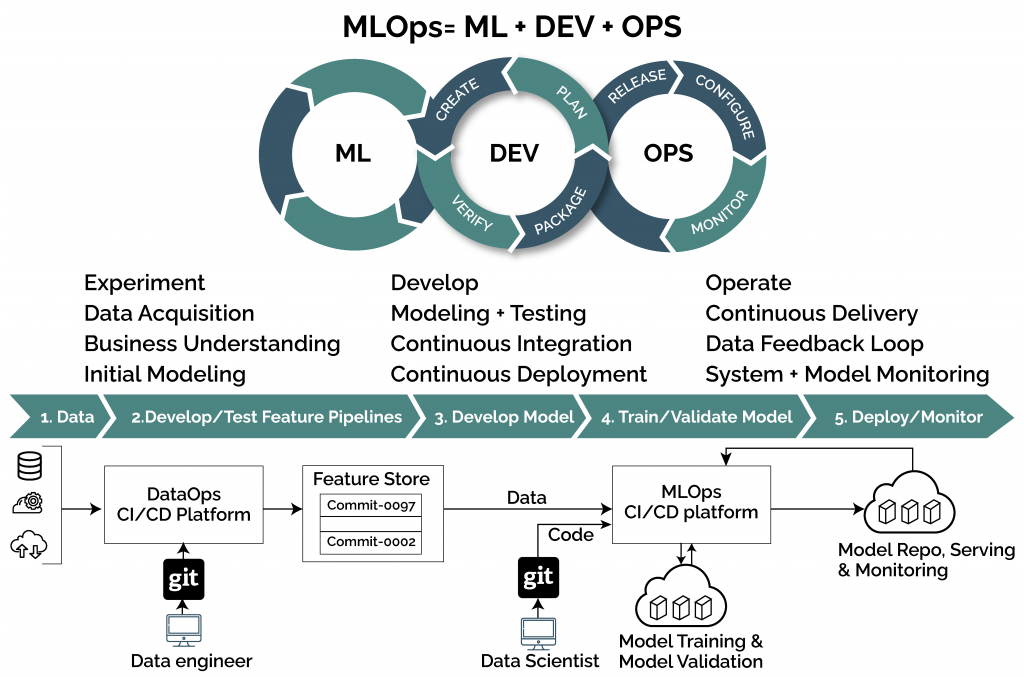
Have you ever heard of MLOps? If you haven’t, don’t worry, you’re not alone. MLOps is a relatively new term that has emerged in the world of data science and machine learning. It stands for Machine Learning Operations and refers to the process of managing the entire lifecycle of a machine learning model, from development to deployment and maintenance.
MLOps is a critical aspect of any machine learning project and involves several stages that must be carefully managed. In this article, we’ll explore the four key stages of MLOps and what you need to know about each one.
Stage 1: Model Development
The first stage of MLOps is model development. This stage is where data scientists and machine learning engineers work to develop and train a machine learning model. During this stage, the team will typically:
- Gather and preprocess data
- Develop and test different machine learning algorithms
- Train and fine-tune the model
- Evaluate the model’s performance and select the best one
This stage is critical because the quality of the machine learning model will ultimately determine its effectiveness in the real world.
Stage 2: Model Deployment
Once the machine learning model has been developed and tested, it’s time to deploy it. Model deployment involves deploying the model in a production environment where it can be used to make predictions. During this stage, the team will typically:
- Choose a deployment environment (e.g., cloud, on-premise)
- Deploy the model and integrate it with other systems
- Monitor the model’s performance in real-time
- Troubleshoot any issues that arise
This stage is critical because it ensures that the machine learning model is integrated with the rest of the organization’s systems and is performing as expected.
Stage 3: Model Monitoring
After the machine learning model has been deployed, it’s critical to monitor its performance in real-time. Model monitoring involves tracking the model’s performance and identifying any issues that arise. During this stage, the team will typically:
- Monitor the model’s accuracy and performance metrics
- Identify and diagnose any issues that arise
- Update and retrain the model as needed
- Continuously test and evaluate the model’s performance
This stage is critical because it ensures that the machine learning model is performing as expected and providing accurate predictions.
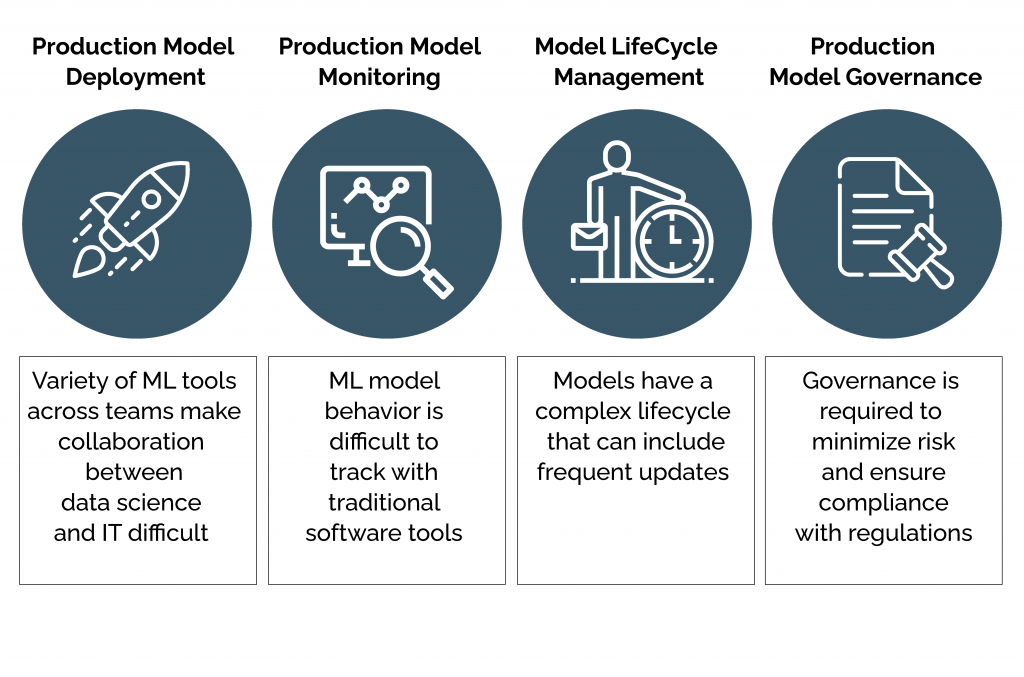
Stage 4: Model Maintenance
The final stage of MLOps is model maintenance. This stage involves maintaining and updating the machine learning model over time. During this stage, the team will typically:
- Monitor the model’s performance and accuracy over time
- Make updates and improvements to the model as needed
- Retrain the model periodically to ensure that it remains accurate
- Address any issues that arise with the model
This stage is critical because it ensures that the machine learning model continues to provide accurate predictions over time.
Conclusion
MLOps is a critical aspect of any machine learning project, and it involves several stages that must be carefully managed. By understanding the four key stages of MLOps – model development, model deployment, model monitoring, and model maintenance – you can ensure that your machine learning project is successful and provides accurate predictions over time. So, don’t overlook the importance of MLOps – it could be the key to your organization’s success in the world of machine learning.
