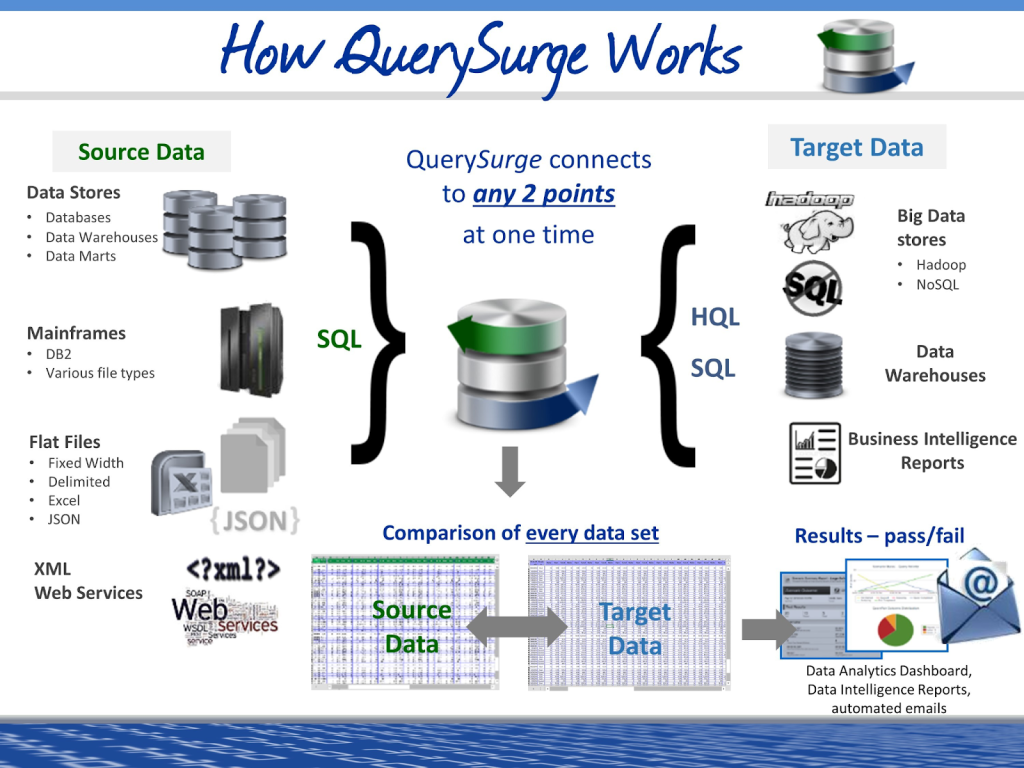
Are you looking for a comprehensive guide to the major DataOps platforms available in the market? Look no further as we’ve got you covered! In this article, we’ll discuss the top DataOps platforms and their features, advantages, and disadvantages.
Introduction to DataOps
Before diving into the platforms, let’s first understand what DataOps is. In simple terms, DataOps refers to the practice of integrating data management, quality control, and analytics to ensure smooth data delivery. It involves automating the entire data pipeline, from data ingestion to consumption, to enable faster and more efficient decision-making.
Major DataOps Platforms
- Databricks: Databricks is a cloud-based DataOps platform that enables organizations to process and analyze large datasets. It offers a collaborative workspace for data engineers, data scientists, and business analysts to work together seamlessly. Databricks supports multiple programming languages, including Python, R, Scala, and SQL, and provides a unified analytics engine for faster data processing.
Advantages:
- Easy to use and highly scalable
- Offers a vast range of pre-built libraries and tools
- Provides a powerful data science environment
Disadvantages:
- Expensive compared to other platforms
- Limited customization options
- Alteryx: Alteryx is a self-service analytics platform that simplifies complex data processes. It allows users to blend, clean, and analyze data from various sources without the need for coding. Alteryx offers a drag-and-drop interface that makes it easy to build complex workflows.
Advantages:
- User-friendly interface
- Offers a vast range of pre-built workflows
- Provides advanced analytics capabilities
Disadvantages:
- Limited customization options
- Expensive compared to other platforms
- Dataiku: Dataiku is an open-source DataOps platform that allows organizations to build and deploy data science projects at scale. It offers a collaborative workspace for data scientists and business analysts to work together on complex data projects. Dataiku supports multiple programming languages and provides advanced machine learning capabilities.
Advantages:
- Open-source and free to use
- Highly customizable
- Provides advanced machine learning capabilities
Disadvantages:
- Steep learning curve
- Limited support for big data processing
- Azure Data Factory: Azure Data Factory is a cloud-based DataOps platform that enables organizations to integrate, transform, and process data from various sources. It offers a drag-and-drop interface for building complex data workflows and provides seamless integration with other Azure services.
Advantages:
- Seamless integration with other Azure services
- Provides a drag-and-drop interface for building complex workflows
- Offers cost-effective pricing options
Disadvantages:
- Limited customization options
- Steep learning curve for beginners
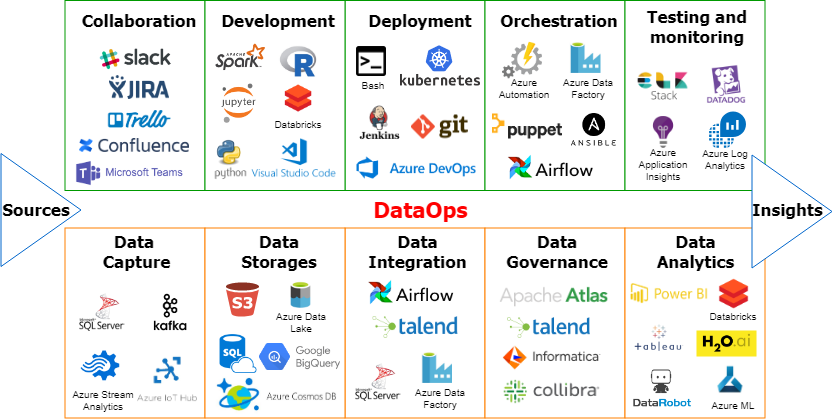
Comparison of Major DataOps Platforms
| Platform | Advantages | Disadvantages |
|---|---|---|
| Databricks | Easy to use and highly scalable, Offers a vast range of pre-built libraries and tools, Provides a powerful data science environment | Expensive compared to other platforms, Limited customization options |
| Alteryx | User-friendly interface, Offers a vast range of pre-built workflows, Provides advanced analytics capabilities | Limited customization options, Expensive compared to other platforms |
| Dataiku | Open-source and free to use, Highly customizable, Provides advanced machine learning capabilities | Steep learning curve, Limited support for big data processing |
| Azure Data Factory | Seamless integration with other Azure services, Provides a drag-and-drop interface for building complex workflows, Offers cost-effective pricing options | Limited customization options, Steep learning curve for beginners |
Conclusion
Choosing the right DataOps platform can be challenging, but understanding the features and functionalities of each platform can help you make an informed decision. Databricks and Alteryx are ideal for organizations looking for an easy-to-use and scalable platform, while Dataiku is a great choice for those who value customization and advanced machine learning capabilities. Azure Data Factory is an excellent option for organizations already using Azure services and looking for a cost-effective DataOps solution.
