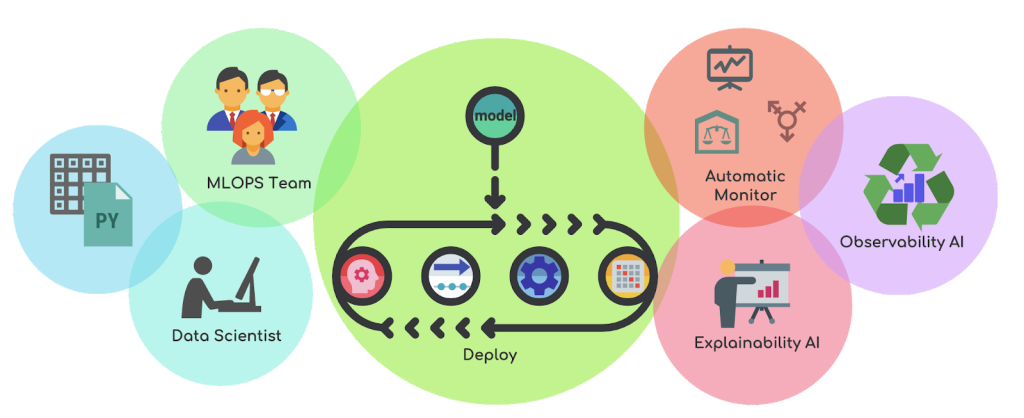
Are you struggling to implement MLOps in your organization? If yes, then you are not alone. MLOps, the intersection of machine learning and DevOps, is a complex and evolving field. It requires a deep understanding of both domains and the ability to integrate them seamlessly.
In this article, we will discuss the top MLOps implementation challenges and how to overcome them.
Challenge 1: Lack of Standardization
One of the major challenges in implementing MLOps is the lack of standardization. There is no universally accepted standard for MLOps, which makes it difficult for organizations to adopt best practices. The lack of standardization also leads to a lack of consistency in MLOps processes, making it hard to measure performance and identify areas for improvement.
To overcome this challenge, organizations need to develop their own MLOps standards and processes. They should also collaborate with industry peers to develop a shared understanding of best practices and develop a set of guidelines for MLOps.
Challenge 2: Data Management
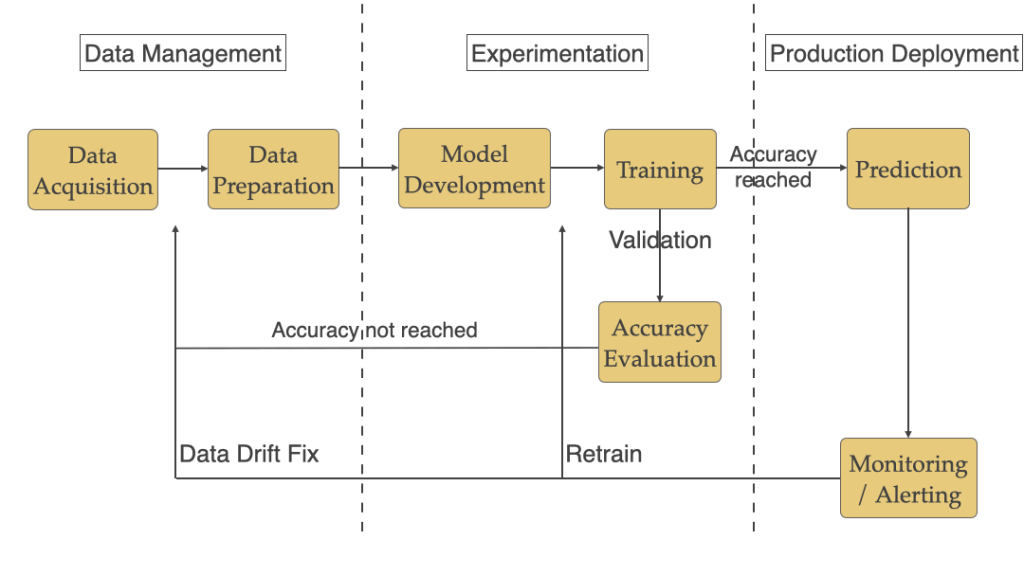
Data is the lifeblood of machine learning models, and managing it is a critical component of MLOps. Data management involves everything from data collection to cleaning, processing, and storing.
One of the biggest challenges in data management is dealing with the sheer volume of data generated by machine learning models. This requires robust data storage and processing infrastructure that can handle large volumes of data.
To overcome this challenge, organizations should invest in scalable and flexible data storage and processing solutions. They should also develop data governance policies and procedures to ensure data quality and security.
Challenge 3: Model Versioning and Deployment
Another significant challenge in MLOps is model versioning and deployment. Machine learning models are complex and constantly evolving, which makes it difficult to manage different versions of the same model.
Deploying machine learning models is also challenging, especially in production environments. Models need to be tested and validated before deployment, and organizations need to ensure that they are monitoring model performance and making continuous improvements.
To overcome this challenge, organizations should invest in tools and processes that enable easy model versioning and deployment. They should also establish a robust testing and validation framework and implement continuous monitoring and improvement processes.
Challenge 4: Lack of Skilled Professionals
MLOps requires a unique blend of skills, including machine learning, software development, and operations. Finding professionals with these skills can be a challenge, especially in today’s competitive job market.
To overcome this challenge, organizations should invest in training and development programs for their existing staff. They should also collaborate with universities and other educational institutions to develop a pipeline of skilled professionals.
Challenge 5: Resistance to Change
Implementing MLOps requires changes to existing processes and workflows, which can be met with resistance from employees and stakeholders. This resistance can slow down the adoption of MLOps and make it difficult to achieve buy-in from key stakeholders.
To overcome this challenge, organizations should develop a clear and compelling business case for MLOps. They should also involve employees and stakeholders in the implementation process and provide training and support to help them adapt to the new processes.
Conclusion
MLOps is a complex and evolving field that requires a deep understanding of machine learning and DevOps. Implementing MLOps can be challenging, but by addressing the top implementation challenges discussed in this article, organizations can overcome these challenges and reap the benefits of machine learning at scale.
