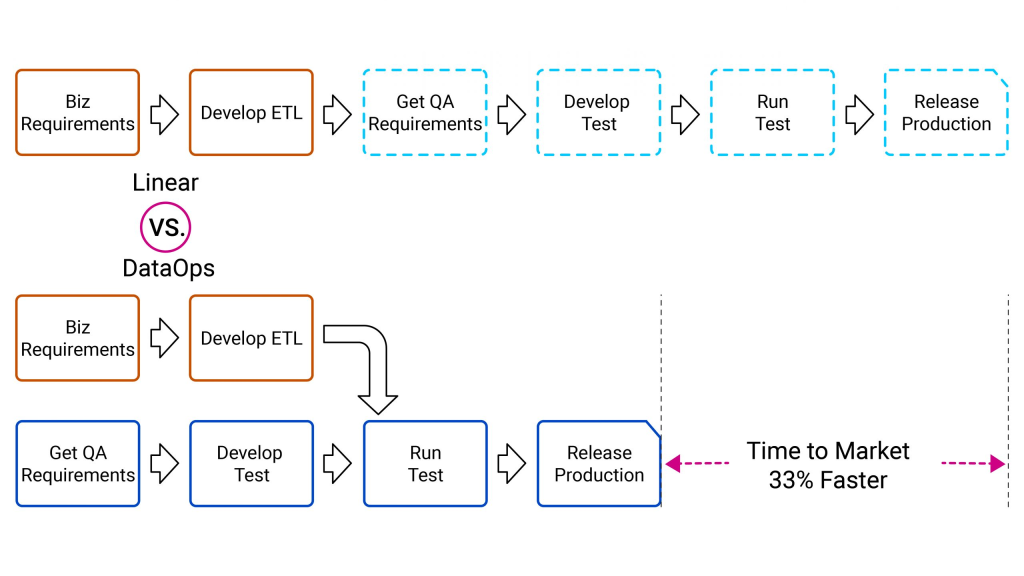
Are you tired of the same old boring data management strategies? Do you want to take your data management to the next level? Look no further than DataOps!
DataOps is the new kid on the block when it comes to data management strategies. It focuses on the collaboration between data scientists, data engineers, and operations professionals to streamline and automate the data management process.
But how do you implement a DataOps strategy? Let’s dive in and find out!
Step 1: Assess Your Current Data Management Strategy
Before you can implement a DataOps strategy, you need to assess your current data management strategy. What works? What doesn’t work? What are the pain points?
By understanding your current strategy, you can identify areas where DataOps can make a difference. This step is crucial in ensuring that you implement a DataOps strategy that is tailored to your organization’s specific needs.
Step 2: Create a DataOps Team
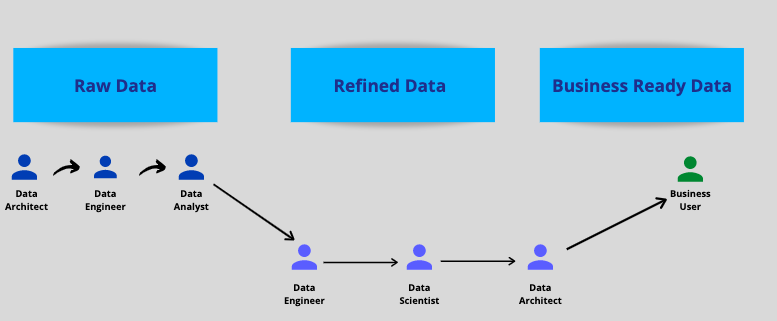
Implementing a DataOps strategy requires a team effort. You need to bring together data scientists, data engineers, and operations professionals to work together towards a common goal.
Creating a DataOps team allows for collaboration and communication, which are key components of the DataOps philosophy. This team should be responsible for implementing and managing the DataOps strategy.
Step 3: Define Your DataOps Processes
Once you have your team in place, you need to define your DataOps processes. This includes defining your data pipeline, data quality checks, and data monitoring.
The goal of DataOps is to automate and streamline the data management process, so your processes should reflect that. By defining your DataOps processes, you can ensure that your team is working towards a common goal and that your data is managed in a consistent and efficient manner.
Step 4: Implement DataOps Tools
With your team and processes in place, it’s time to implement DataOps tools. There are a variety of tools available that can help you automate and streamline your data management process.
Some popular DataOps tools include Apache Airflow, Jenkins, and GitLab. These tools can help you with everything from scheduling and monitoring data pipelines to version control and collaboration.
Step 5: Monitor and Iterate
Finally, it’s important to monitor and iterate on your DataOps strategy. Data management is an ongoing process, and your DataOps strategy should be no different.
By monitoring your data management processes and analyzing the results, you can identify areas for improvement and make changes to your strategy as needed. This iterative process is key to ensuring that your DataOps strategy continues to evolve and meet the needs of your organization.
In conclusion, implementing a DataOps strategy can revolutionize the way you manage your data. By following these five steps, you can create a DataOps strategy that is tailored to your organization’s specific needs and set yourself up for success in the world of data management.