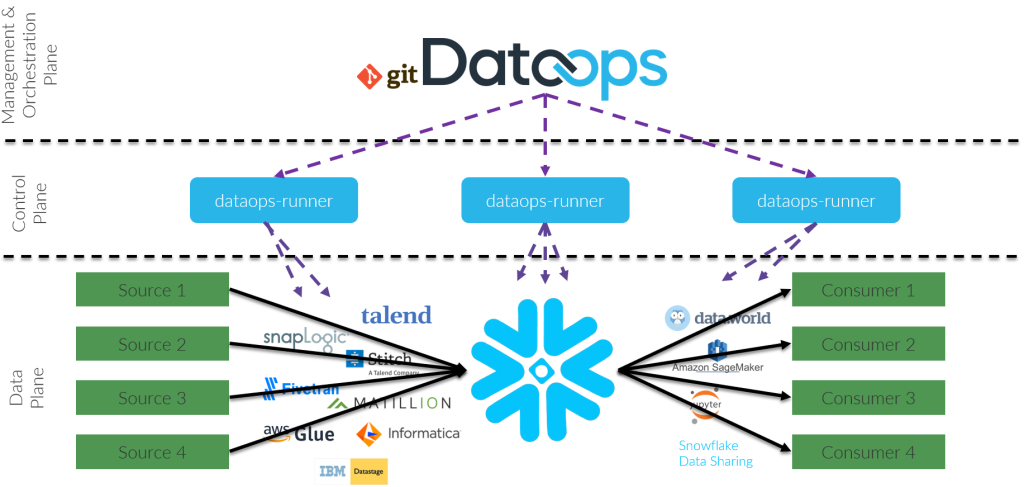
Greetings, dear reader! Are you ready to dive into the world of DataOps? If so, buckle up and get ready for a wild ride! In this blog post, I’ll be explaining everything you need to know about the DataOps platform. From its definition to its benefits, we’ll cover it all. So, without further ado, let’s get started!
Defining DataOps
First things first, let’s define what we mean by DataOps. In simple terms, DataOps is a methodology that combines data engineering, data integration, and data management to improve collaboration and communication between data consumers and producers.
The Evolution of DataOps
Now that we’ve defined DataOps let’s take a look at its evolution. DataOps is the result of the need for a more efficient and collaborative way of managing data. The traditional methods of data management were time-consuming, error-prone, and lacked transparency. DataOps emerged as a solution to these problems, and it has since evolved into a comprehensive platform that offers a wide range of benefits.
Benefits of DataOps
DataOps offers several benefits that make it a valuable asset for any organization. Here are some of the benefits of the DataOps platform:
Improved Collaboration
DataOps provides a collaborative environment where data producers and consumers can work together to achieve a common goal. This improves communication, reduces errors, and ensures that everyone is on the same page.
Faster Time-to-Value
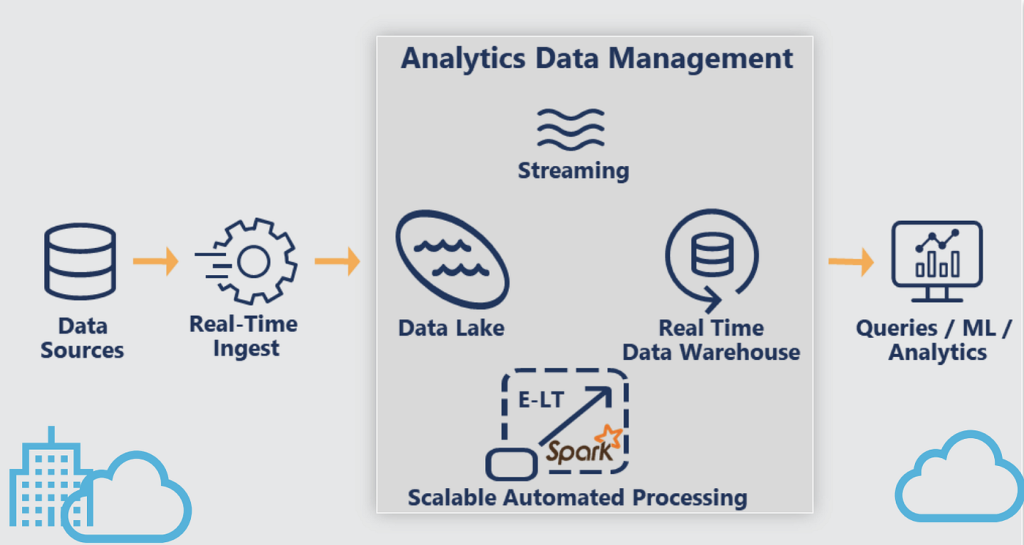
DataOps enables organizations to rapidly deploy data pipelines, which reduces the time it takes to bring data-driven products and services to market. This, in turn, helps organizations stay ahead of the competition.
Increased Agility
DataOps provides a flexible and agile approach to data management. This allows organizations to adapt quickly to changing business requirements and market conditions.
Improved Data Quality
DataOps ensures that data is clean, accurate, and consistent. This improves the quality of the data used for decision-making, which, in turn, leads to better business outcomes.
Wrapping Up
And there you have it, folks! That’s everything you need to know about the DataOps platform. From its definition to its benefits, we’ve covered it all. I hope you found this blog post informative and engaging. If you have any questions or comments, feel free to leave them below. Happy DataOps-ing!
