Machine Learning Operations (MLOps) is the process of managing machine learning models in production. The journey to MLOps is not a straight line, and it involves several stages. In this article, we will explore the journey to MLOps, including the challenges, the benefits, and the best practices.
Stage 1: Data Collection and Preparation
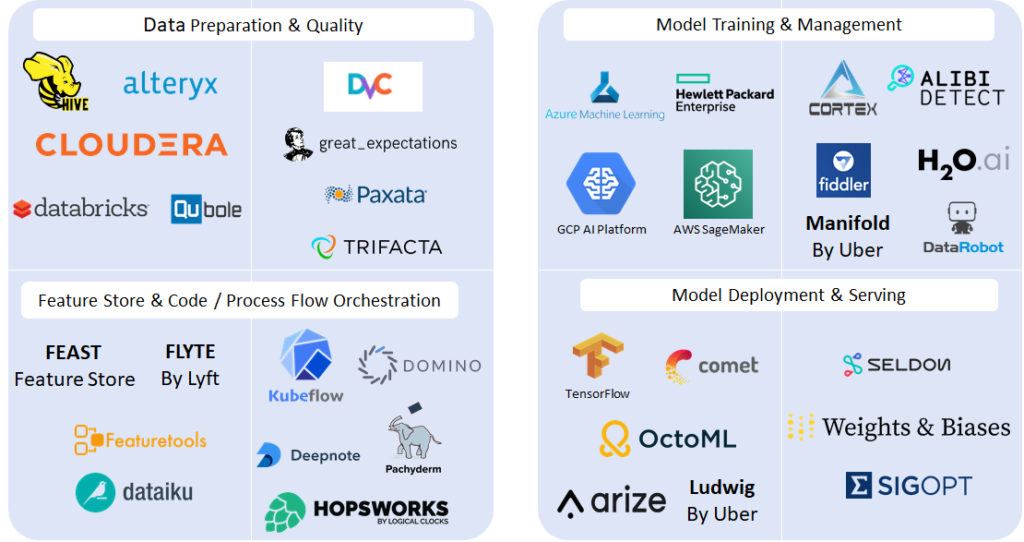
The first stage of the journey to MLOps is data collection and preparation. This stage involves collecting data from various sources, cleaning and transforming the data, and preparing it for model training. This stage is critical because the quality of the data will determine the accuracy of the model. Data scientists and engineers work together to ensure that the data is well-prepared and ready for model training.
Stage 2: Model Development and Training
The second stage of the journey to MLOps is model development and training. This stage involves selecting the appropriate model, training the model on the prepared data, and evaluating the model’s performance. This stage requires a lot of experimentation and iteration to find the best model that meets the business objectives. The data science team works closely with the business stakeholders to ensure that the model is aligned with the business goals.
Stage 3: Model Deployment and Monitoring
The third stage of the journey to MLOps is model deployment and monitoring. This stage involves deploying the model to production, monitoring the model’s performance, and making necessary updates and improvements. This stage requires collaboration between the data science team, the IT team, and the business stakeholders to ensure that the model is working as expected. Monitoring the model’s performance is critical to ensure that the model is still accurate and producing reliable results.
Stage 4: Model Maintenance and Retraining
The fourth and final stage of the journey to MLOps is model maintenance and retraining. This stage involves maintaining the model in production, making necessary updates and improvements, and retraining the model when needed. This stage is critical because the data used to train the model may become outdated, and the model may need to be retrained to ensure that it continues to produce accurate results. The data science team, the IT team, and the business stakeholders work together to ensure that the model is maintained and updated as needed.
Challenges and Benefits of MLOps
The journey to MLOps is not without its challenges. One of the biggest challenges is the complexity of the process. MLOps requires expertise in data science, software engineering, and IT operations. Another challenge is the lack of standardization in the industry, which can make it difficult to implement best practices.
Despite the challenges, the benefits of MLOps are significant. MLOps can help organizations improve the accuracy and reliability of their machine learning models, reduce the time and cost of model development and deployment, and increase the effectiveness of their data-driven decision-making.
Best Practices for MLOps
To achieve success in MLOps, organizations should follow some best practices. These include:
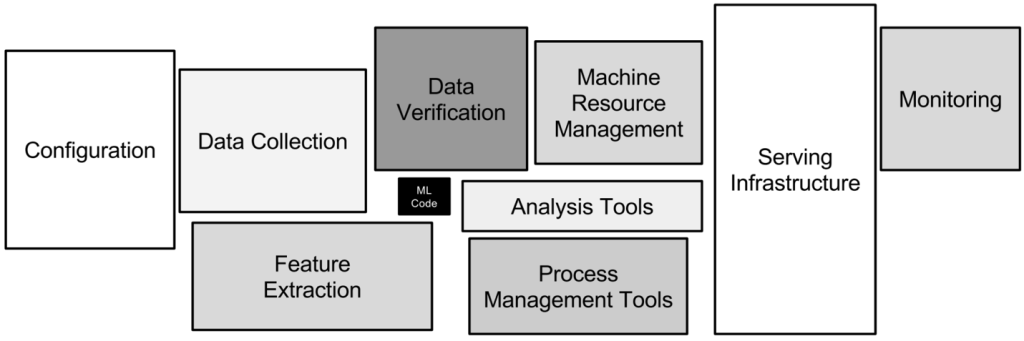
- Establishing clear communication channels between the data science team, the IT team, and the business stakeholders.
- Implementing version control for the code and the data used in model training and deployment.
- Automating the model deployment and monitoring process.
- Establishing a feedback loop to ensure that the model’s performance is continuously evaluated and improved.
- Ensuring that the model is explainable and transparent, so that the business stakeholders can understand how the model works and trust its output.
Conclusion
The journey to MLOps is a complex and challenging process that requires collaboration between the data science team, the IT team, and the business stakeholders. By following best practices and focusing on the benefits, organizations can successfully implement MLOps and improve the accuracy and reliability of their machine learning models.
